PALMOILMAGAZINE, YOGYAKARTA – Cargill has called for stronger collaboration across Indonesia’s cocoa value chain to enhance the country’s competitiveness in regional and global markets, emphasizing productivity, responsible sourcing, and product innovation as the key drivers of future growth.
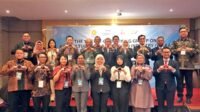
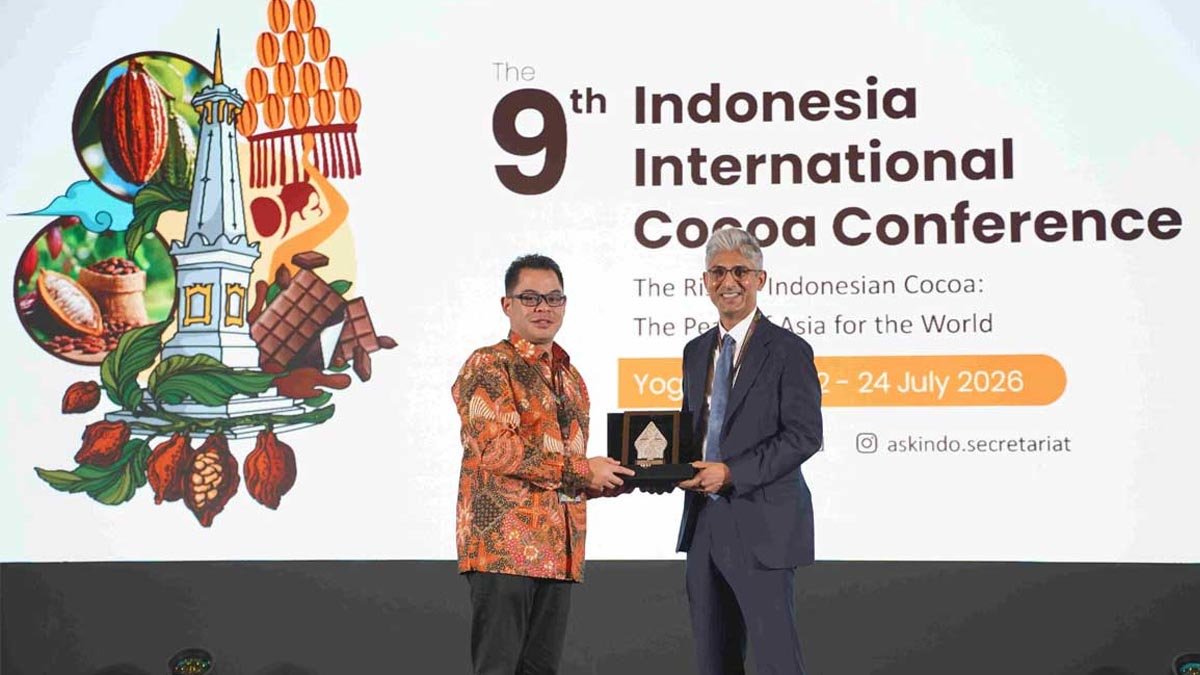
Speaking at the 9th Indonesia International Cocoa Conference (IICC) held in Yogyakarta from July 22–24, 2026, the company highlighted the importance of bringing together government agencies, industry players, farmers, researchers, and other stakeholders to strengthen Indonesia’s cocoa sector.
According to Kashan Rashid, Vice President & Managing Director of Cargill Food Southeast Asia, Australia and New Zealand, Indonesia possesses a solid foundation as one of the world’s cocoa-producing nations while offering significant opportunities to expand its role as a supplier of higher-value cocoa products throughout the Asia-Pacific region.
In a statement received by PalmOilMagazine.com on Saturday (July 25), Rashid said Indonesia remains a strategic market within Cargill’s regional cocoa business. The company continues to invest in cocoa processing, deepen partnerships with farmers, promote responsible cocoa sourcing, and develop innovative products tailored to evolving consumer preferences.
Rising Demand for Sustainable Cocoa
Cargill noted that changing consumer behavior across Asia is creating fresh opportunities for Indonesia’s cocoa industry. Findings from the APAC IngredienTracker study indicate growing acceptance of cocoa-based ingredients in chocolate, bakery products, desserts, biscuits, and dairy applications.
In Indonesia, consumer awareness of product origin has become increasingly important. The survey found that 76% of respondents prefer products made with locally sourced ingredients, while 91% prioritize food and beverages produced with strong social and environmental responsibility.
The company believes these trends reinforce the need to strengthen cocoa traceability, expand sustainable farming practices, and develop products capable of meeting both regional and international market requirements.
Also Read: BPDP Backs Value-Added Palm Oil, Cocoa, and Coconut SMEs to Boost Global Competitiveness
Empowering Farmers Through Cargill Cocoa Promise
Beyond downstream investments, Cargill continues to expand farmer development through its Cargill Cocoa Promise initiative, which focuses on improving farmer livelihoods while building a more resilient and sustainable cocoa supply chain.
During 2026, more than 7,800 Rainforest Alliance-certified farmers received premium payments totaling approximately IDR 38.8 billion.
Also Read: Airlangga: Research and Downstream Innovation Will Shape the Future of Indonesia’s Palm Oil Industry
Over the past five years, the company has also:
- Established eight community nurseries;
- Distributed around 96,000 cocoa seedlings;
- Supplied 44,000 shade trees;
- Strengthened 52 Village Savings and Loan Association (VSLA) groups to improve rural financial resilience.
Cargill has further expanded traceability systems down to the individual farmer level, conducted farm mapping, and implemented deforestation risk assessments across its cocoa sourcing areas. These initiatives are complemented by farmer training programs promoting good agricultural practices aimed at boosting productivity while ensuring long-term sustainability.
The company concluded that the future success of Indonesia’s cocoa industry will depend on close cooperation among farmers, government institutions, and the private sector to build a sustainable value chain, increase value-added processing, and secure continued access to key export markets. (P2)