PALMOILMAGAZINE, JAKARTA – The Ministry of Industry (Kemenperin) reaffirmed its commitment to strengthening Indonesia’s industrial structure by accelerating the development of priority sub-sectors, including palm oil—one of the country’s most strategic pillars of economic growth.
A tangible example of this industrialization drive is the investment by PT Pacrim Nusantara Lestari Food, a subsidiary of Cargill, which is building a state-of-the-art palm oil refinery in Lampung Province with an investment value of US$200 million.
Minister of Industry Agus Gumiwang Kartasasmita welcomed the investment, describing it as an important milestone in advancing Indonesia’s competitiveness in the global palm oil market.
Also Read:
“We appreciate Cargill’s strategic move to strengthen the structure of the national palm oil industry through high-value industrial investment. This facility will not only expand our production capacity but also reinforce Indonesia’s position as a leading player in the global sustainable vegetable oil supply chain,” said Agus in an official statement on Thursday (23/10/2025).
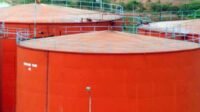
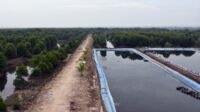
The new refinery is designed with a production capacity of 1 million metric tons per year and features four private jetties capable of handling mothervessels of up to 65,000 DWT. This infrastructure will allow direct palm oil exports from Lampung without the need for transshipment, improving efficiency and competitiveness in the global market.
Acting Director General of Agro Industry at Kemenperin, Putu Juli Ardika, emphasized that palm oil industrialization plays a key role in generating added value for Indonesia’s economy.
“The palm oil industry supports a wide range of sectors—food, non-food, feed, and fuel. These products not only meet domestic demand but also supply global markets,” Putu explained.
Also Read: Sustainable Palm Oil Needs Real Collaboration, Not Just Certification
Kemenperin fully supports Cargill’s investment as a reflection of the government’s consistency in ensuring ease of doing business and promoting economic self-reliance. This initiative aligns with the positive performance of Indonesia’s agro-industrial sector during the first year of the Prabowo Subianto–Gibran Rakabuming Raka administration, which recorded Rp155.25 trillion in investment and 57.56% capacity utilization between Q4 2024 and Q2 2025.
“The government has prepared various facilities and incentives to make domestic industrial development more attractive—from local content (TKDN) calculations and risk-based business licensing to a range of fiscal incentives,” added Putu.
From Cargill’s side, Penne Kehl, Asia Pacific Group President of Cargill Agriculture and Trading, said the investment signifies a new era of partnership between Cargill and Indonesia.
“We are committed to building a resilient and sustainable supply chain while supporting a safe and responsible global food system,” she stated.
Also Read: India’s Vegetable Oil Imports Jump 51% as Crude Palm Oil Shipments Surge
Meanwhile, Azlan Adnan, Managing Director of Cargill’s Tropical Oil Business, noted that the project would enhance integration across the supply chain—from plantations to end customers—ensuring better traceability and sustainability standards.
Kemenperin hopes the new refinery in Lampung will not only strengthen the national palm oil supply chain but also stimulate new regional economic opportunities.
“We look forward to Cargill expanding its investment portfolio into other agro-based commodities. Indonesia’s agro-resource potential remains vast and highly promising,” Putu concluded. (P2)