PALMOILMAGAZINE, JAKARTA – The Indonesian Ministry of Industry (Kemenperin) remains committed to advancing the downstream development of the palm oil industry to increase the added value of national commodities and strengthen public nutrition resilience. A key focus is the development of Betacarotene (Pro-Vitamin A) and Tocopherol (Vitamin E) derived from palm oil, aimed at supporting the government’s Free Nutritious Meal (MBG) program.
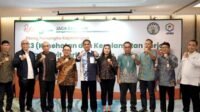
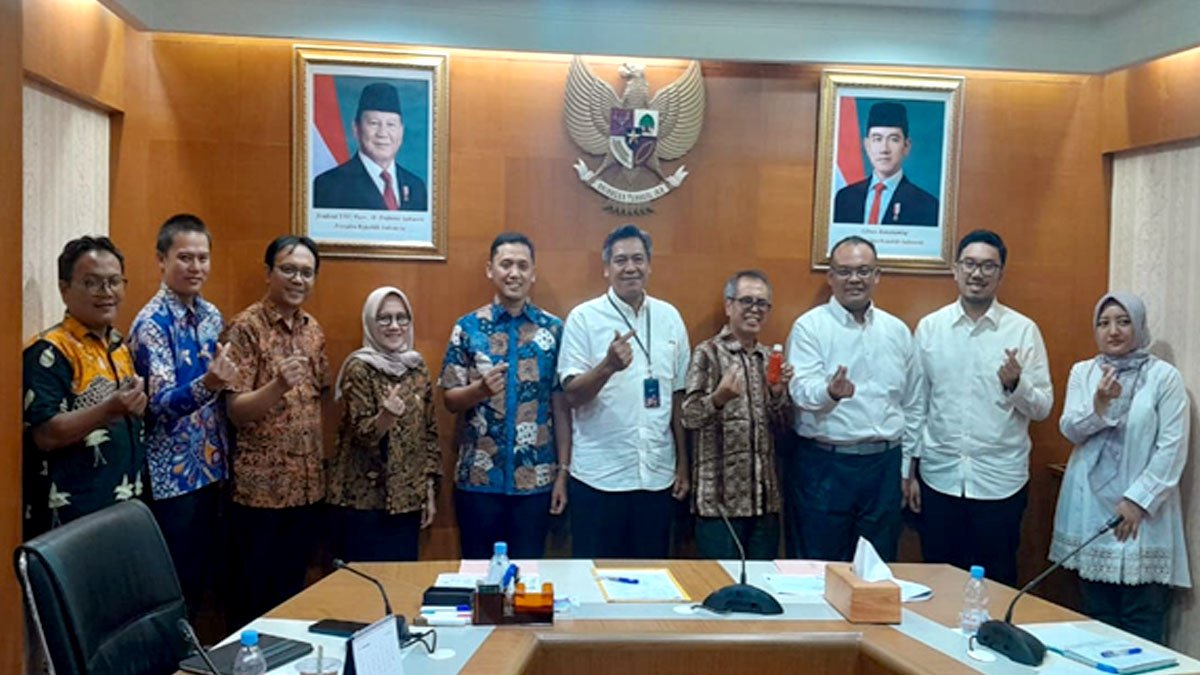
This initiative was highlighted by the Director General of Agro Industry at Kemenperin, Putu Juli Ardika, during the Kick-Off Meeting for Collaborative Research between the Indonesian Palm Oil Community (MAKSI) and PT Kimia Farma Tbk, held in Jakarta on Friday (May 9).
Putu explained that this collaborative research is part of a strategic effort to address nutritional deficiencies through palm oil-based health products. These products are expected to help combat persistent malnutrition issues in Indonesia, including stunting and wasting.
Also Read: Turning Palm Oil into Chocolate: A Sweet Innovation from South Sulawesi MSMEs
“This collaboration will significantly contribute to improving public nutrition, especially by harnessing palm oil’s rich nutritional content,” Putu stated, as quoted by Palmoilmagazine.com from the Kemenperin website.
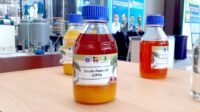
The initiative aligns with the Indonesian President’s directive to optimize palm oil’s potential—not only as an energy source through biodiesel and cooking oil—but also as a contributor to national nutrition security. Palm oil contains several key nutrients such as Betacarotene, Tocopherol, Medium Chain Triglycerides (MCT), Squalene, and antioxidants, which are highly beneficial to health.
However, Putu noted that modern chemical refining processes often strip palm oil of its natural nutrients. Therefore, natural processing methods are being explored as a more effective approach to preserve these nutrients, especially to support vulnerable groups such as children and pregnant women.
As part of this effort, Kemenperin will support the drafting of an Indonesian National Standard (RSNI) for palm oil-based health supplements. This standard will provide a clear framework for state-owned enterprises, private companies, and other stakeholders to participate in the national nutrition program.
“Having an SNI in place for these health supplements is crucial to open up broader opportunities for stakeholders to help improve public nutrition,” Putu added.
Kemenperin also plans to organize scientific meetings with national nutrition experts to refine the supplement development concept. In addition, it will ensure that all aspects—legal compliance, intellectual property rights, and other requirements—are in place so that this collaborative research can be scaled nationally in support of the MBG program.
Putu expressed hope that the partnership between MAKSI and PT Kimia Farma Tbk will serve as a milestone in the development of the palm-based agro-industrial sector. “Through this collaborative research, we hope the sector can evolve into a larger-scale commercial industry,” he concluded. (P3)