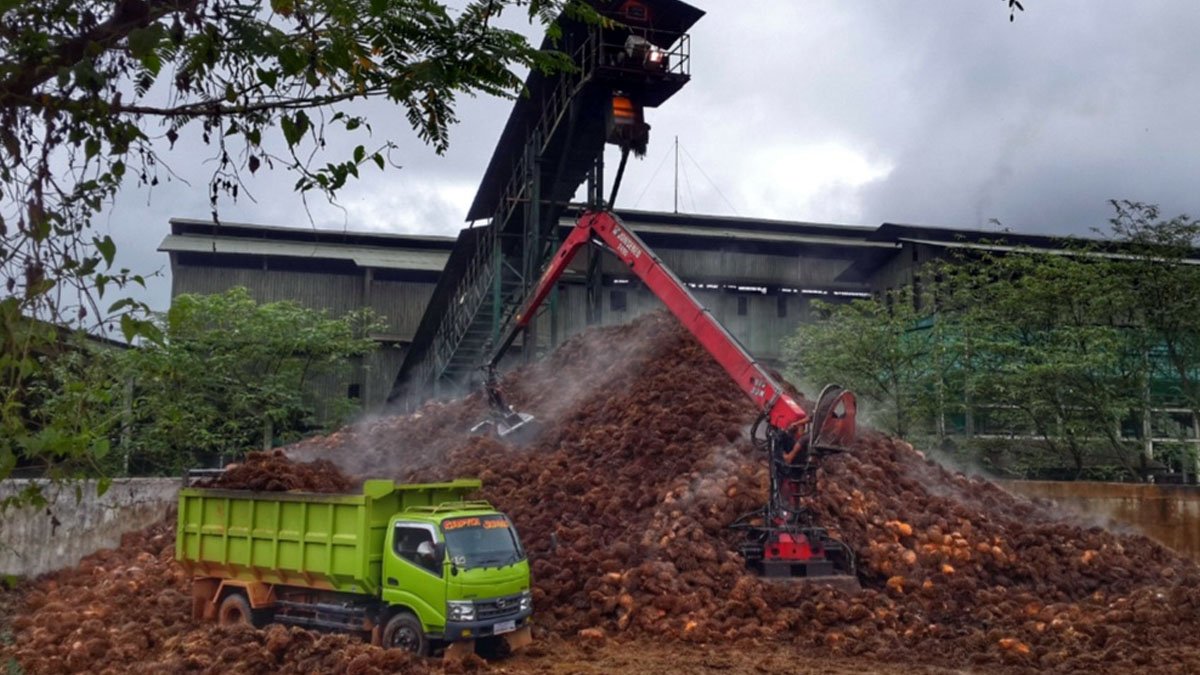
PALMOILMAGAZINE, TANJUNG REDEB – The presence of palm oil mills in Berau Regency has provided economic benefits to the local community, including job opportunities and business prospects for palm oil farmers. However, concerns over mill waste management have drawn serious attention from both the government and legislators.
Fasra Wisono, a member of Commission II of the Berau Regional House of Representatives (DPRD), has urged the local government to enforce stricter oversight on palm oil mill waste management, particularly in Segah District. He emphasized that poor waste handling could harm local communities and lead to environmental pollution.
“We appreciate the companies’ contributions to the local economy, but waste management must also be a priority. Production should not come at the cost of environmental damage and public health risks,” Fasra stated, as quoted by Palmoilmagazine.com from kaltimkita.com on March 4, 2025.
Also Read: Palm-Based Glossy Coating Innovation: A Sustainable Solution for Modern Agroindustry
The Democratic Party politician stressed that companies must take greater environmental responsibility rather than solely focusing on production. He pointed out that improperly managed liquid waste from palm oil mills can contaminate soil and water sources, posing risks to public health and farmers’ livelihoods.
Fasra also urged relevant authorities to conduct regular monitoring to prevent pollution. “There are no complaints from the public yet, but we shouldn’t wait for a major problem to arise. Routine inspections and assessments are necessary to mitigate risks,” he asserted.
He hopes for stronger collaboration between the government, companies, and local communities to balance economic benefits with environmental sustainability. “If all stakeholders fulfill their roles responsibly, Berau’s palm oil industry can grow sustainably without harming local communities,” he concluded. (P2)