PALMOILMAGAZINE, JAKARTA – The Indonesian government has introduced a new regulatory framework to strengthen the governance of palm oil utilization as part of its broader strategy to enhance national energy security, independence, and the transition toward renewable energy.
The Ministry of Energy and Mineral Resources (ESDM) has issued Ministerial Regulation No. 3 of 2026 concerning the implementation of the Indonesian Sustainable Palm Oil (ISPO) certification for palm oil bioenergy businesses. The regulation serves as a follow-up to Presidential Regulation No. 16 of 2025 on the Indonesian Sustainable Palm Oil Certification System.
Director General of New, Renewable Energy and Energy Conservation (EBTKE), Eniya Listiani Dewi, explained that the regulation aims to provide clear guidelines for implementing ISPO certification within the bioenergy sector while ensuring business certainty for stakeholders across the palm oil supply chain.
Also Read: Surging Palm Oil and Vegetable Oil Exports Bolster Indonesia’s January 2026 Trade Surplus
“Following the issuance of the Presidential Regulation on the sustainable palm oil certification system, we immediately translated it into a ministerial regulation to ensure legal certainty for plantation operators, downstream industries, and palm oil bioenergy businesses,” she said during the socialization event for the new regulation in mid-February 2026.
Clarifying Mechanisms and Stakeholder Responsibilities
Ministerial Regulation No. 3 of 2026 outlines the certification mechanisms, responsibilities of stakeholders, and technical requirements for applying ISPO standards in palm oil-based bioenergy operations. The framework is designed to ensure that bioenergy activities adhere to sustainability principles, operate under measurable standards, and remain competitive in global markets.
In its implementation, the government emphasizes simplifying the certification process. Downstream businesses that use feedstock sourced from ISPO-certified plantations will not be required to repeat the upstream certification process. Instead, they will only need to undergo a verification mechanism.
Also Read: CPO Prices Surge Past RM4,500 on Bursa Malaysia Amid Global Energy Market Rally
“This regulation defines implementation procedures and stakeholder responsibilities. If upstream plantations are already ISPO-certified, downstream sectors—including bioenergy businesses—only need to undergo verification without repeating the certification process. This approach will help ensure the smooth development of biofuel businesses,” Eniya explained in a written statement received by Palmoilmagazine.com on Monday (2/3/2026).
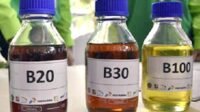
The adoption of ISPO certification in palm oil bioenergy businesses forms an integral part of Indonesia’s strategy to expand new and renewable energy sources. Palm oil-based bioenergy is expected to play a significant role in achieving the country’s national energy mix targets, including the implementation of the B40 biodiesel program.
According to Eniya, the presence of clear and measurable sustainability standards will create a level playing field for businesses while enhancing market confidence and acceptance of Indonesia’s bioenergy products.
Also Read: Indonesia Sets March Biodiesel Price at IDR 13,980 per Liter Following CPO Benchmark
“We view ISPO certification not merely as a regulatory requirement, but as a strategic instrument to improve credibility and market acceptance, strengthen competitiveness, and ensure the long-term sustainability of palm oil bioenergy businesses,” she emphasized.
The government also aims to strengthen international recognition of Indonesia’s sustainable palm oil certification to reinforce the global positioning of national bioenergy products while mitigating potential environmental disputes.
Through this policy, the government expects all stakeholders to gain a shared understanding of the regulatory substance, implementation stages, and the roles of each party involved. Authorities are also encouraging constructive dialogue and collaboration to ensure effective implementation while supporting business growth.
“We hope the implementation of this certification will strengthen the global position of Indonesian palm oil, enhance product competitiveness, and support the realization of national energy security and independence,” Eniya concluded. (P2)