PALMOILMAGAZINE, INDRAGIRI HULU — Independent smallholder palm oil farmers from Indragiri Hulu have achieved international recognition after the Asosiasi Petani Sawit Swadaya Indragiri (APSSI) secured Roundtable on Sustainable Palm Oil (RSPO) certification with a Zero Non-Compliance (Zero NC) rating. The milestone underscores the strong commitment of local farmers to globally recognized sustainable palm oil practices.
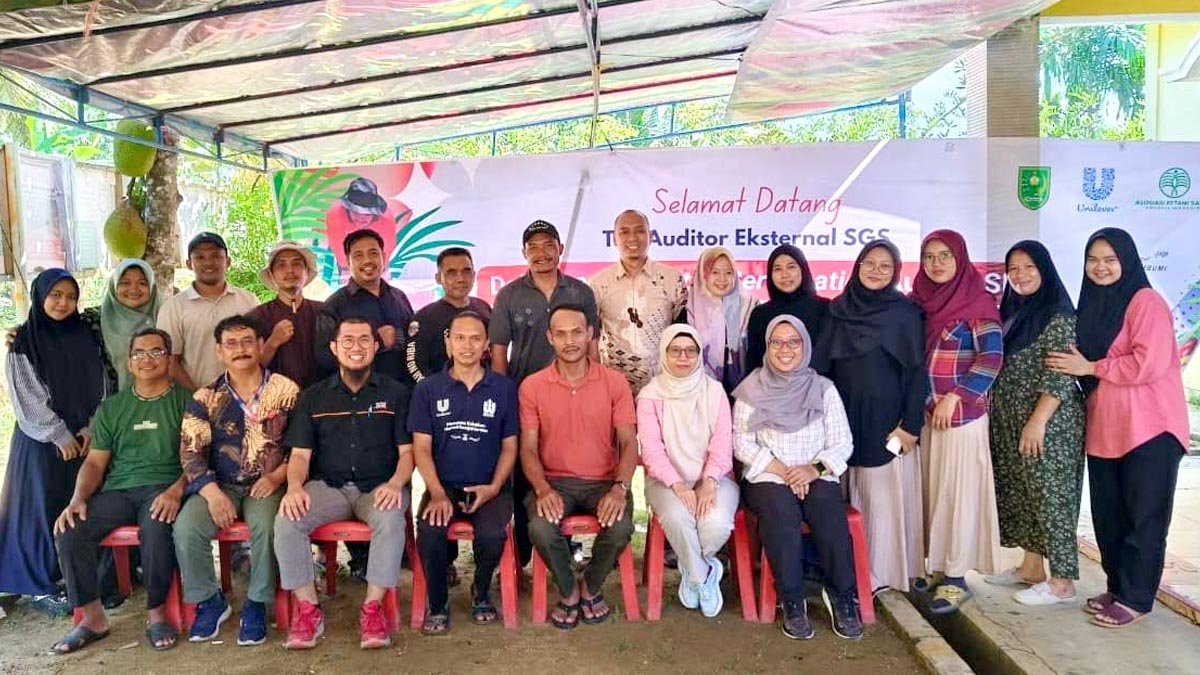
The certification was awarded following a four-day rigorous audit conducted on 16–20 August 2025, which included comprehensive document reviews, in-depth interviews with member farmers, and public consultations involving the local Environmental Agency and village administrations surrounding the plantations.
A total of 338 farmers participated in the process, managing a combined plantation area of 610 hectares spread across Rakit Kulim and Batang Cenaku sub-districts in Indragiri Hulu Regency. APSSI is also preparing to expand its membership and plantation coverage to Kelayang sub-district.
Also Read: Four Independent Smallholder Groups Achieve RSPO Certification under SMILE Program
APSSI Director Yazid Fauzi described the achievement as the result of sustained collective efforts over the past two years. “This certification is the outcome of consistent teamwork built over nearly two years. RSPO certification is a critical step for us to gain global legitimacy in sustainable palm oil standards,” Yazid told Palmoilmagazine.com on Saturday (20/12/2025). He added that APSSI aims to continue delivering tangible benefits for both farmers and surrounding communities.
The journey toward certification was extensive. It began with farmer data collection and land mapping, followed by training on Good Agricultural Practices (GAP) and Best Management Practices (BMP) through a field school approach. Prior to the external audit, APSSI also conducted an internal audit covering around 50% of committed member farmers.
Also Read: Riau Independent Palm Oil FFB Prices Climb for Dec 17–23, 2025
The certification process was supported by Widya Erti Indonesia. Its representative, Sutoyo, emphasized that RSPO certification marks the beginning rather than the end of the journey. “This certification is not a final destination, but a starting point toward greater achievements. We will continue to assist farmers to ensure sustainable palm oil practices are consistently upheld,” he said.
Beyond international standards, APSSI is also preparing to meet national regulatory requirements by pursuing Indonesian Sustainable Palm Oil (ISPO) certification as part of its compliance with government regulations.
With sustainable certification in place, independent smallholder farmers are expected to gain stronger market certainty, improved access to quality seedlings, and better agricultural infrastructure support. Over the long term, these efforts are projected to enhance the economic welfare of palm oil farmers in Indragiri Hulu. (P2)