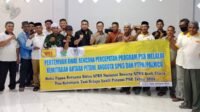
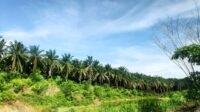
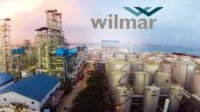
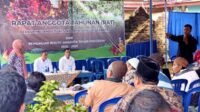
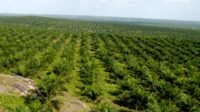
PALMOILMAGAZINE, BULUNGAN — The Regional Leadership Board of the Indonesian Oil Palm Farmers Association (APKASINDO) of North Kalimantan carried out a working visit to the palm oil mill and plantation area operated by PT Citra Sawit Lestari Damai Group, North Kalimantan Regional, on Saturday (10/1/2026). The visit formed part of broader efforts to reinforce collaboration between farmers, businesses, local government, and academic institutions in Indonesia’s northern border region.
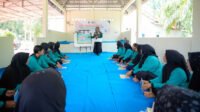
During the visit, the APKASINDO delegation toured the company’s processing facilities and plantation estates. They were welcomed by the management team, including Afrisal, General Manager of PT Citra Sawit Lestari Damai Group North Kalimantan Regional. Students from Universitas Borneo Tarakan (UBT) also joined the program as part of an industry exposure initiative.
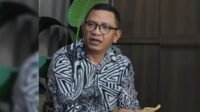
APKASINDO North Kalimantan Chairman Khoiruddin stressed that palm oil mills must generate tangible economic benefits for surrounding communities. One of the organization’s main priorities, he said, is strengthening palm oil–based micro, small, and medium enterprises (MSMEs).
Also Read: Assessing the Market Fate of Palm Oil from Disputed Lands
“The palm oil industry cannot stand alone. The presence of mills must encourage the growth of local MSMEs so that sustainable added economic value can truly be created for the community,” Khoiruddin said in a statement quoted by Palmoilmagazine.com on Monday (12/1/2026).
He noted that downstream palm oil businesses offer significant opportunities for MSMEs, particularly through fair and sustainable partnership schemes. Support from companies, local governments, and consistent mentoring, he added, is crucial to enable local MSMEs to upgrade their capacity and competitiveness.
Beyond MSME development, APKASINDO North Kalimantan also highlighted the importance of improving local human resources. During the visit, the farmers’ association encouraged stronger engagement with higher education institutions, including opening internship opportunities for UBT students within palm oil mills and company operational units.
Also Read: GAPKI Calls for Stronger Palm Oil Export Governance, Citing Port Inefficiencies and Data Gaps
Responding to the proposal, Afrisal confirmed the company’s openness to collaboration with universities. “We welcome Universitas Borneo Tarakan students who wish to undertake internship programs at our mill and other operational units. We hope this program will provide hands-on experience while contributing to the development of higher-quality local human resources,” he said.
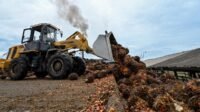
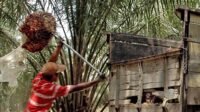
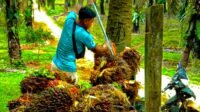
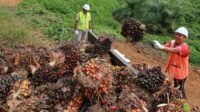
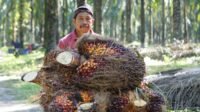
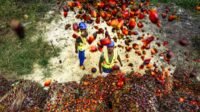
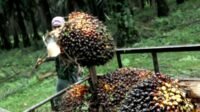
Afrisal further emphasized the company’s commitment to supporting the surrounding community’s economy. PT Citra Sawit Lestari Damai not only processes fresh fruit bunches (FFB) from its nucleus and plasma estates, but also sources FFB from independent smallholders.
“Besides nucleus and plasma, we also receive fruit from independent farmers. This is part of our commitment to providing fair market access while helping to drive the local economy,” he said.
Also Read: Indonesia Unlocks Oil Palm Genome, Paving the Way for Climate-Resilient and High-Yield Varieties
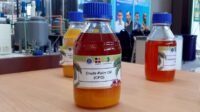
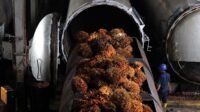
For the UBT students, the visit offered first-hand exposure to the palm oil industry. One participant, Putri Gita, said the program provided a clear picture of mill operations. “We were able to understand the operational process, from machine introductions to crude palm oil (CPO) processing,” she explained.
Another student, Nurul Mufliha, said the field visit helped her grasp the full palm oil value chain, from FFB reception to crude palm oil production.
Closing the program, Khoiruddin expressed appreciation to the management of PT Citra Sawit Lestari Damai Group for their openness throughout the visit. He also acknowledged the Bulungan Regency Government and the local Plantation Agency for the strong synergy that has been built.
He expressed hope that cross-sector collaboration would continue to be strengthened to support MSME development, improve local human resource capacity, and advance a sustainable palm oil industry that contributes directly to the welfare of North Kalimantan communities. (P2)