PALMOILMAGAZINE, POPAYATO – Public pressure is mounting in East Popayato Subdistrict, Pohuwato Regency, Gorontalo, as local activists and residents urge plantation companies operating in the area to immediately fulfill their obligation to develop smallholder plasma plantations.
According to an official statement received by Palmoilmagazine.com on April 8, 2026, the realization of plasma schemes remains unfulfilled despite the companies having operated in the region for years. The delay has sparked growing frustration, particularly among farmers who feel their rights have not been fairly addressed.
Beyond the plasma issue, residents also raised concerns over the prolonged uncertainty surrounding land certification processes, which have remained unresolved for years. This situation has further eroded public trust in both the companies and relevant authorities.
Also Read: Bappenas Pushes Palm Oil–Cattle Integration to Drive Food Security and Circular Economy
Popayato activist Muarif Radji stressed that the community will not remain silent. He emphasized that plasma development is a legal obligation that must be delivered, not a promise that can be indefinitely postponed.
“We demand that the company immediately realize the plasma program. This is a community right, not an empty promise. People have waited far too long without certainty,” he stated firmly.
He also criticized the slow progress in resolving land administration issues, noting that the lack of clarity has intensified public dissatisfaction.
Also Read: India Seeks 2.5 Million Tons of Urea, Indonesia Eyes Export Opportunity
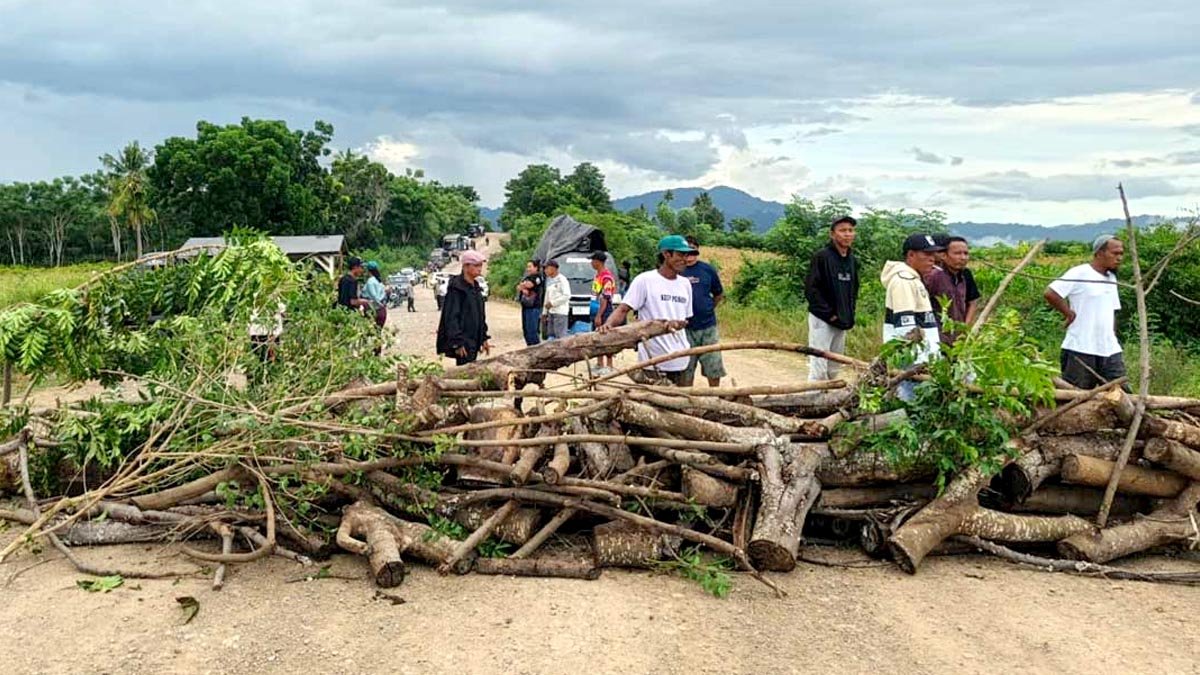
During the protest, residents outlined several key demands, including the acceleration of plasma development in 2026, the completion of land certification for local communities, and improved access to public roads to support economic activities outside company concession areas.
Activists further highlighted the absence of company management during the demonstration, viewing it as a sign of weak commitment to fulfilling investment obligations in accordance with existing regulations.
They vowed to continue their protests until concrete actions are taken. “We will keep pushing until the community’s rights are fully realized,” Muarif concluded. (P2)