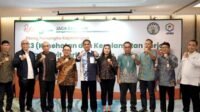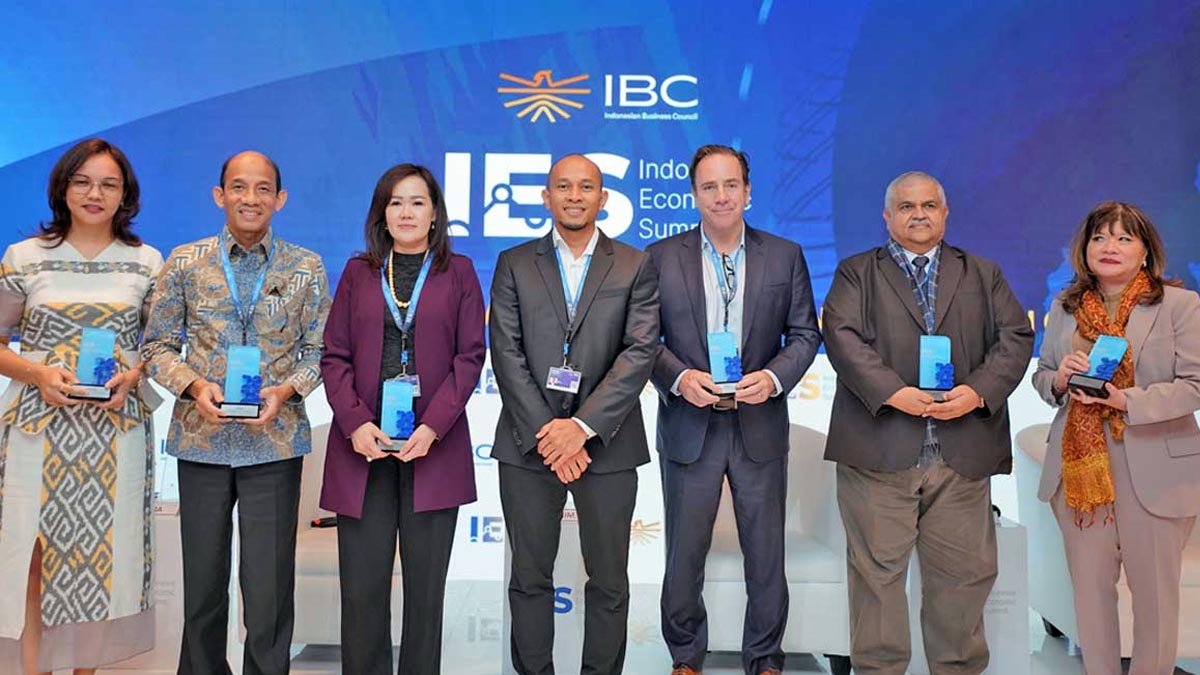
PALMOILMAGAZINE, JAKARTA – As Indonesia pursues an ambitious goal of achieving 8% economic growth by 2029, the country looks to green resources as a key driver. Biodiversity, ecosystem services, and the carbon market are seen as crucial elements in fostering a stable and sustainable economy. This topic took center stage in the “Policies and Initiatives to Accelerate Indonesia’s Green Economic Growth” session at the Indonesia Economic Summit (IES) 2025.
Satya Tripathi, Secretary-General of the Global Alliance for a Sustainable Planet (GASP), highlighted Indonesia’s vast potential in green growth strategies. “Indonesia has the opportunity to generate wealth and prosperity for its 270 million people by capitalizing on the carbon market,” he stated in an official statement received by Palmoilmagazine.com on Tuesday (18/2/2025). However, he noted that the real economic value of ecosystems and biodiversity is not yet fully reflected in conventional GDP measurements.
Energy Transition: Ambitions and Financial Challenges
Indonesia’s commitment to energy transition is also under the spotlight. At the G20 forum, President Prabowo Subianto expressed optimism that Indonesia could achieve net-zero emissions before 2050. One of the major initiatives is to phase out around 75 gigawatts of coal-fired power plants and replace them with renewable energy sources.
However, this transition requires massive investment. The Kearney 2024 report estimates that Indonesia needs $2.4 trillion to achieve Net Zero by 2060. A significant portion of this funding is required to expand renewable energy capacity to meet 100% of national electricity consumption.
Investment Challenges in Green Growth
Peter Kennedy, Chief Investment Officer of the Global Fund for Coral Reefs, pointed out the challenges of attracting green investments. “The government needs to reduce risks in environmental projects to make them more appealing to investors,” he said.
Meanwhile, Shinta W. Kamdani, Chairwoman of the Indonesian Employers Association (APINDO), emphasized that Indonesia’s green potential could enhance global competitiveness. “However, government incentives and private sector initiatives must go hand in hand,” she added.
Bridging Sustainability Gaps Between Corporations and SMEs
Elim Sritaba, Chief Sustainability Officer of Asia Pulp & Paper (APP) Group, highlighted the knowledge gap in sustainability between large corporations and SMEs. “Companies like ours can help SMEs understand the hidden costs and risks of unsustainable business practices,” she explained.
On the other hand, Arcandra Tahar, former Minister of Energy and Mineral Resources, cautioned against blindly following global trends that might hinder domestic economic growth. “Instead of viewing fossil and non-fossil fuels as competitors, we should create a synergy between them,” he suggested.
A Strategic Agenda for Indonesia’s Green Growth
Despite the challenges, Indonesia’s green growth is not just a concept—it is a strategic agenda requiring strong collaboration between the government, businesses, and global communities. The success of this transition will not only impact the national economy but also strengthen Indonesia’s position as a leader in global sustainable development. (P2)