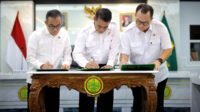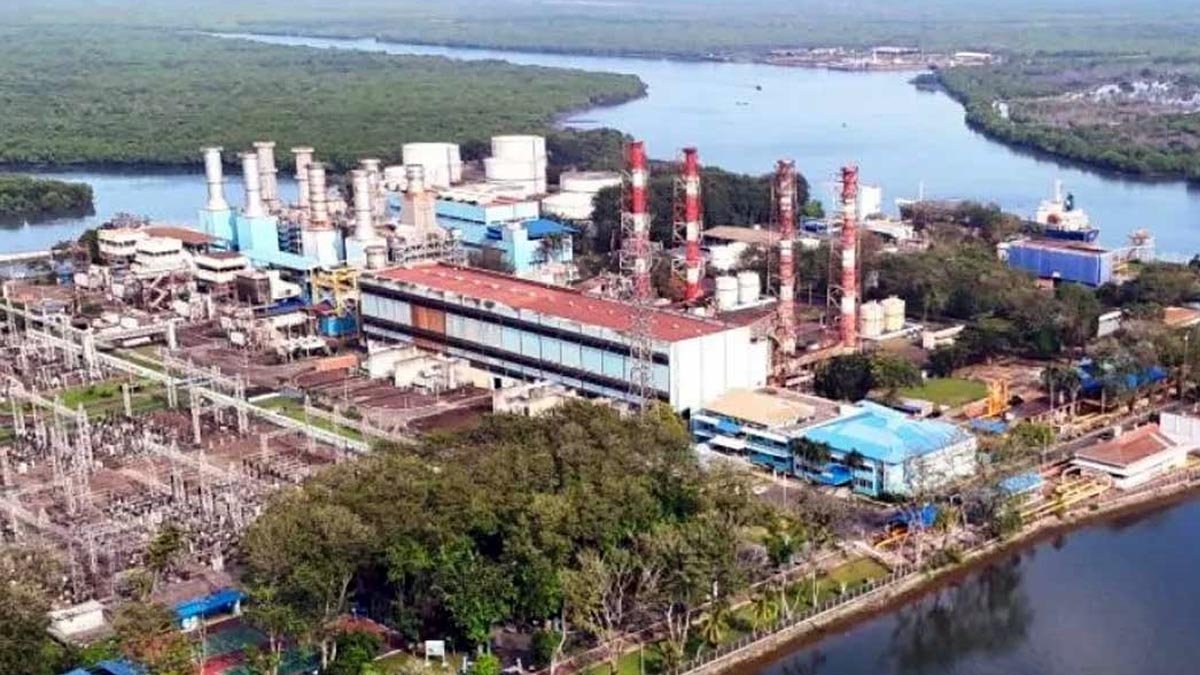
PALMOILMAGAZINE, JAKARTA — PT PLN (Persero) has made history by operating Indonesia’s first co-firing system using Bio Compressed Natural Gas (BioCNG) derived from palm oil waste at the Belawan Combined Cycle Power Plant (PLTGU) in North Sumatra. This marks the inaugural use of BioCNG as a renewable energy source in the country.
Director General of New, Renewable Energy and Energy Conservation (EBTKE) at the Ministry of Energy and Mineral Resources, Eniya Listiani Dewi, praised the milestone. “I highly appreciate the first BioCNG co-firing project in Indonesia as a step forward in advancing renewable power generation. This innovation will expand the renewable energy mix, particularly in North Sumatra,” she said, as quoted from Antara via Palmoilmagazine.com on Monday (August 18, 2025).
The launch coincides with Indonesia’s 80th Independence Day celebration and represents a significant step in diversifying clean energy to support the country’s Net Zero Emissions (NZE) target by 2060 or earlier.
Also Read: Supporting Energy Transition, PLN EPI Supplies Biomass to PLTU Tidore
PLN President Director Darmawan Prasodjo emphasized the company’s commitment to maximizing local energy resources. “By adopting renewable energy, we not only provide environmentally friendly electricity but also strengthen energy sovereignty, create new jobs, and boost local economies,” he explained.
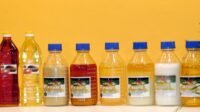
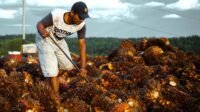
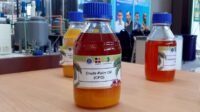
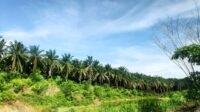
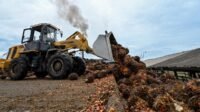
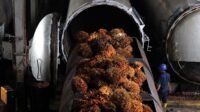
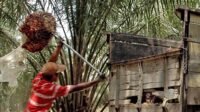
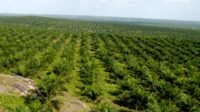
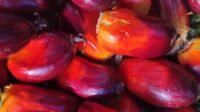
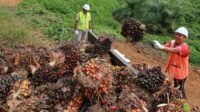
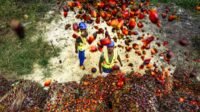
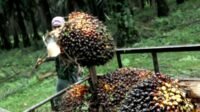
The BioCNG used at PLTGU Belawan is produced from palm oil mill effluent (POME). As the world’s largest palm oil producer, Indonesia has vast potential to transform palm waste into sustainable renewable energy. The benefits extend beyond reducing fossil fuel dependence—they also improve farmer incomes, open opportunities for local processing businesses, and mitigate environmental pollution around plantations.
Clean Energy Output of up to 478 GWh Annually
According to PLN’s Director of Technology, Engineering, and Sustainability, Evy Haryadi, BioCNG utilization in North Sumatra could generate up to 478 gigawatt hours (GWh) of clean electricity annually.
“With BioCNG integration, PLN can cut carbon emissions by as much as 80,000 tons per year and save around IDR 48 billion in fuel costs,” he noted.
The Belawan power plant has an installed capacity of 1,184 MW, contributing 10.96% of Sumatra’s electricity supply and 30.75% for North Sumatra specifically. Throughout 2024, PLN’s biomass co-firing program generated 854,000 MWh, a figure expected to grow with BioCNG deployment.
Through this initiative, PLN demonstrates both technological readiness and strong commitment to accelerating the energy transition, reducing fossil fuel reliance, and advancing sustainable renewable energy for Indonesia’s future. (P2)