PALMOILMAGAZINE, JAKARTA — The Indonesian government, through the Ministry of Environment and Environmental Control Agency (KLH/BPLH), has launched major civil lawsuits against six corporations accused of causing extensive environmental damage in North Sumatra.
The move is widely seen as a strong signal that environmental law enforcement will not stop at identifying violations, but will also be directed toward ensuring real ecosystem recovery and enforcing corporate accountability.
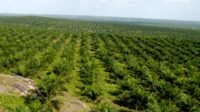
The lawsuits relate to alleged environmental destruction across three affected regencies: North Tapanuli, Central Tapanuli, and South Tapanuli. The government’s primary focus is the ecological restoration of the Garoga and Batang Toru river basins, two strategic watershed areas that in recent years have faced mounting environmental pressure and declining ecological capacity.
Also Read: Environmental Intelligence: Indonesia’s New Path to Sustainable Palm Oil
Demonstrating the seriousness of the action, KLH/BPLH simultaneously registered the lawsuits in three courts: the Medan District Court for two companies, the Central Jakarta District Court for one company, and the South Jakarta District Court for three others.
Minister Hanif: The State Must Not Remain Silent
Minister of Environment and Head of BPLH Hanif Faisol Nurofiq stressed that the environmental damage goes beyond ecological loss and has produced cascading impacts on communities living in affected areas.
“The destruction that has occurred has severely affected local communities — environmental functions have been lost, livelihoods disrupted, and people’s sense of security undermined by the growing threat of ecological disasters. The state must not remain silent when the environment is damaged and the people are left to bear the consequences alone,” Hanif said in an official statement quoted by Palmoilmagazine.com on Tuesday (20/1/2026).
He added that the lawsuits were not filed without solid grounds, but were based on field findings and expert analysis.
“We firmly uphold the polluter pays principle. Any corporation that profits from damaging ecosystems must bear full responsibility to restore them. This is a strong message that environmental law enforcement under KLH/BPLH will tolerate no compromise in safeguarding every citizen’s constitutional right to a good and healthy environment,” he said.
Garoga and Batang Toru Watersheds Under Spotlight
KLH/BPLH emphasized that the lawsuits are not merely claims for financial compensation, but form part of a broader disaster risk mitigation strategy in river basin areas.
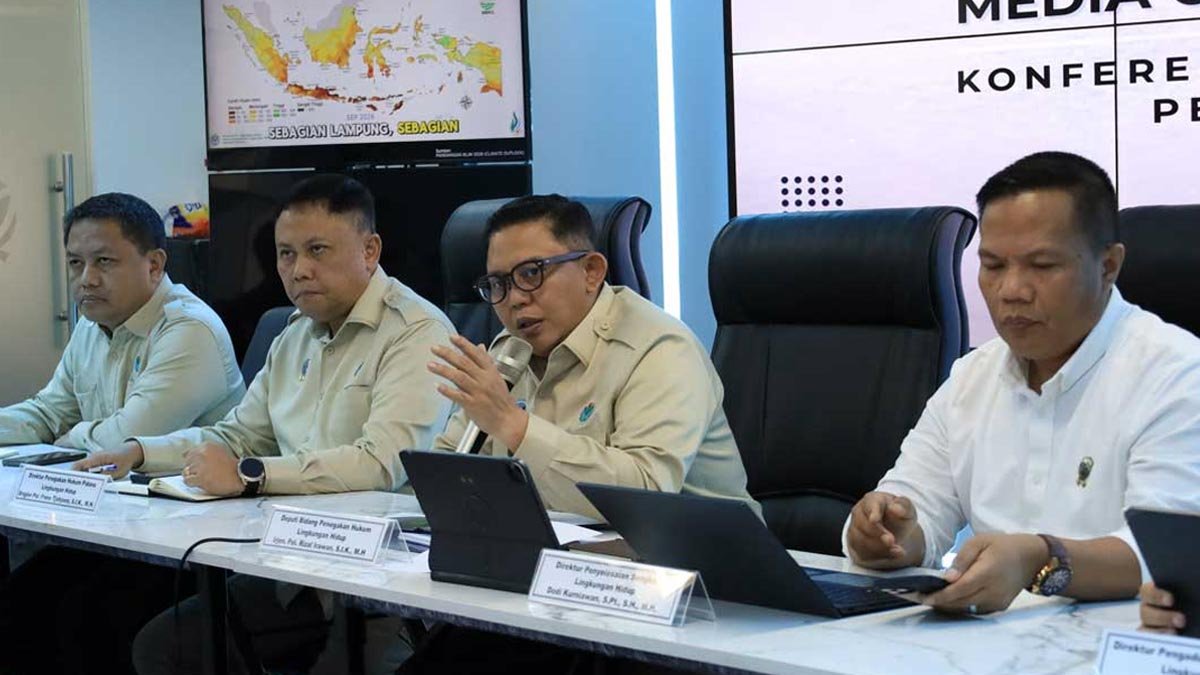
Deputy for Environmental Law Enforcement at KLH/BPLH Rizal Irawan said the legal action refers to the mandate of Law No. 32/2009 on Environmental Protection and Management, which upholds the principles of state responsibility, sustainability, precaution, and polluter pays.
He warned that the loss of environmental carrying capacity has significantly increased the risks of floods and landslides now threatening communities along the Batang Toru and Garoga river systems.
Six Corporations, More Than 2,500 Hectares Allegedly Damaged
The six companies named in the lawsuits are PT NSHE, PT AR, PT TPL, PT PN, PT MST, and PT TBS.
Based on field supervision and comprehensive technical assessments, the activities of the six companies are alleged to have caused environmental damage covering 2,516.39 hectares.
The total claim value submitted by KLH/BPLH amounts to IDR 4,843,232,560,026.
The claim consists of:
• Environmental losses: IDR 4,657,378,770,276
• Ecosystem restoration costs: IDR 178,481,212,250
KLH/BPLH stressed that the lawsuit values are aimed at ensuring degraded ecosystems can be properly restored so they can once again perform vital functions for surrounding communities.
Government Demands Strict Liability
Rizal Irawan underlined that the government is pursuing strict liability for every hectare of environmental damage. The lawsuits are also positioned as part of a long-term strategy to strengthen environmental governance and improve business compliance to prevent similar incidents in the future.
KLH/BPLH stated it will closely oversee the legal process in a transparent and accountable manner, while ensuring that any funds recovered are fully allocated to environmental restoration and ecological justice for affected communities. (P2)