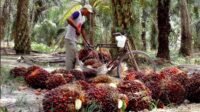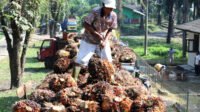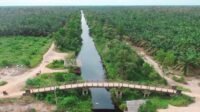
PALMOILMAGAZINE, KUALA LUMPUR – Malaysia is intensifying efforts to reinforce the sustainability credentials of its palm oil industry, with approximately 90% of oil palm plantations now certified under the Malaysian Sustainable Palm Oil (MSPO) scheme. Certification among independent smallholders has reached 85%, marking a significant milestone in the country’s sustainability roadmap.
The update was delivered by Noraini Ahmad, Malaysia’s Minister of Plantation and Commodities, during her winding-up speech in the Dewan Rakyat debate on the royal address.
She reaffirmed the government’s full commitment to ensuring compliance with the European Union Deforestation-Free Products Regulation (EUDR), not only for palm oil but across all export commodities affected by the regulation.
Also Read: Shifting Focus to Africa: A New Chapter for Global Palm Oil
To accelerate certification uptake, the Malaysian Palm Oil Board (MPOB) has provided full grant assistance to smallholders seeking MSPO certification. The initiative is seen as critical in strengthening Malaysia’s palm oil competitiveness, particularly in the European Union market, where sustainability compliance is becoming non-negotiable.
National Traceability System Nears Completion
In line with EUDR’s strict traceability requirements, the Ministry is in the final phase of developing the National Traceability System (NTS), known locally as Sistem Ketertelusuran Nasional (SKN).
The system is designed as an integrated platform consolidating multiple existing databases under the ministry to ensure EUDR compliance and future global sustainability requirements. Full implementation is targeted for March 2026.
Also Read: BPDP Targets 50,000 Hectares Replanting to Boost Smallholder Yields and Regional Growth
Three core systems form the backbone of the NTS:
- Sawit Intelligent Management System (SIMS) – Records licensing data and supply chain transactions from plantations to export ports.
- GeoSawit – Maps plantation locations and polygon boundaries, including deforestation monitoring in accordance with EUDR requirements.
- e-MSPO – Displays real-time MSPO certification status and related audit information.
According to Noraini, once fully operational, the system will ensure that Malaysia’s entire palm oil supply chain is supported by complete geolocation data, deforestation monitoring records, verified MPOB licenses, certification status, ownership information, and digital transaction history from plantation to final product.
This integrated traceability infrastructure is expected to significantly enhance transparency and market confidence, particularly in Europe.
Also Read: Science-Driven Collaboration Urged to Address Climate-Linked Disasters in Sumatra
Productivity and Targeted Replanting Take Priority
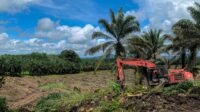
Malaysia currently has approximately 5.7 million hectares of licensed oil palm plantations. Moving forward, government policy will prioritize boosting national productivity rather than expanding planted areas.
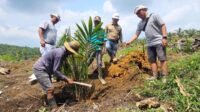
A key instrument in this strategy is the Oil Palm Smallholder Replanting Programme 2.0, aimed at rejuvenating aging plantations and improving yields through structured and targeted replanting initiatives.
Beyond palm oil, the government is also strengthening other plantation commodities. The Malaysian Pepper Board is encouraging farmers to produce premium-grade pepper varieties such as Export Quality Pepper and Creamy White Pepper, which can fetch prices of up to RM65,000 per metric ton.
As quoted from Bernama, these measures underscore Malaysia’s determination to safeguard the global competitiveness of its plantation sector by reinforcing sustainability standards, enhancing productivity, and ensuring full compliance with evolving international regulations. (P2)