PALMOILMAGAZINE, JAKARTA – Forests are often discussed in numbers—cover area, deforestation rates, and rehabilitation targets. Yet behind these figures lies a rarely told story: how forests are protected, managed, and integrated into the daily lives of local communities.
World Forest Day serves as a reminder that beyond large-scale programs, real progress often emerges from grassroots practices—growing steadily and deeply rooted in community life.
One approach gaining momentum in Indonesia is social forestry, a scheme that grants legal access to communities to sustainably manage forest areas. Under this model, communities are no longer just beneficiaries, but key actors in preserving forests while building their own livelihoods.
Also Read: Farewell, Birutė Galdikas, the Woman Who Dedicated Her Life to Orangutans
In practice, forest management does not stand alone. It evolves through collaboration between communities, government, and supporting stakeholders. This approach is crucial in maintaining a balance between ecological functions and economic benefits for surrounding populations.
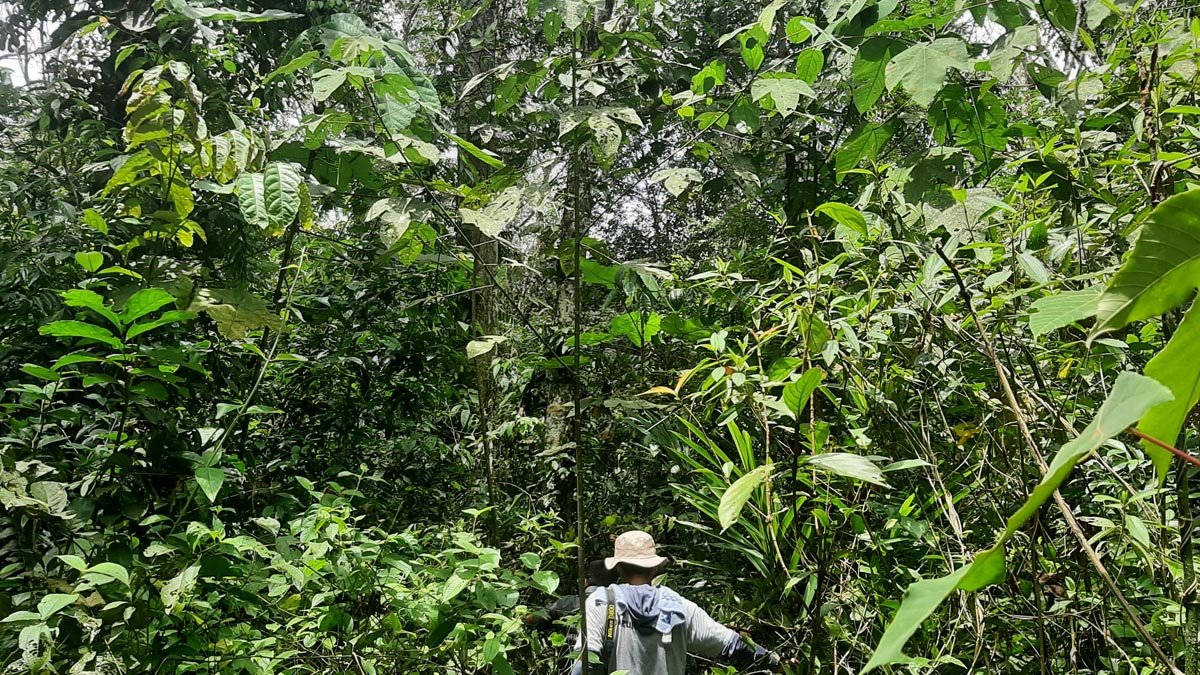
A clear example can be seen in Sembelangaan Village Forest in West Kalimantan, part of Indonesia’s social forestry program. Here, local communities take on the primary role of managing and safeguarding the forest while utilizing its resources responsibly.
Over time, management practices in the area have gradually evolved. What was once more production-oriented has shifted toward a balanced approach. Communities now apply agroforestry systems, cultivating commodities such as cocoa and horticultural crops to generate additional income without compromising the forest’s protective functions.
Also Read: Indonesia’s KPBN CPO Price Edges Higher as Global Market Moves Sideways
Support from various stakeholders has strengthened these ongoing efforts. Through partnerships, including with Bumitama (BGA Group), initiatives such as improving access, developing basic infrastructure, and providing technical assistance for productive land management have been implemented. These contributions form part of a broader collaborative process aimed at ensuring sustainable and structured forest management.
One section of the area, Batu Hitam Waterfall, has developed into a village-based ecotourism destination. Beyond attracting visitors, it demonstrates how well-preserved environments can generate both social and economic value.
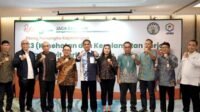
Kuswadi, Head of the South Ketapang Forest Management Unit (KPH), noted that the site was once selected as the venue for the West Kalimantan KPH Forum. “This location was chosen not only for its natural beauty, but because it represents a successful example of community-based forest management—consistent, effective, and a valuable learning site in the region,” he said in an official statement received by Palmoilmagazine.com on Saturday (March 21, 2026).
ALso Read: North Sumatra FFB Prices Drop to IDR 3,834.74/Kg in Late March 2026 Period
The journey of Sembelangaan Village Forest shows that protecting forests is not an instant process. It requires time, adaptation, and the involvement of multiple stakeholders working together.
World Forest Day ultimately reminds us that forest conservation happens every day, in many places, and in different ways. When communities are empowered, supported by policy, and strengthened through collaboration, forests can remain sustainable while becoming a vital foundation for the well-being of those who depend on them. (P2)