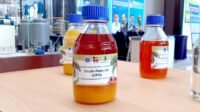
PALMOILMAGAZINE, SEOUL – The implementation of the B50 biodiesel mandate this year is expected not only to boost domestic palm oil utilization but also to potentially create a surplus of gasoil (diesel) supply in Indonesia.
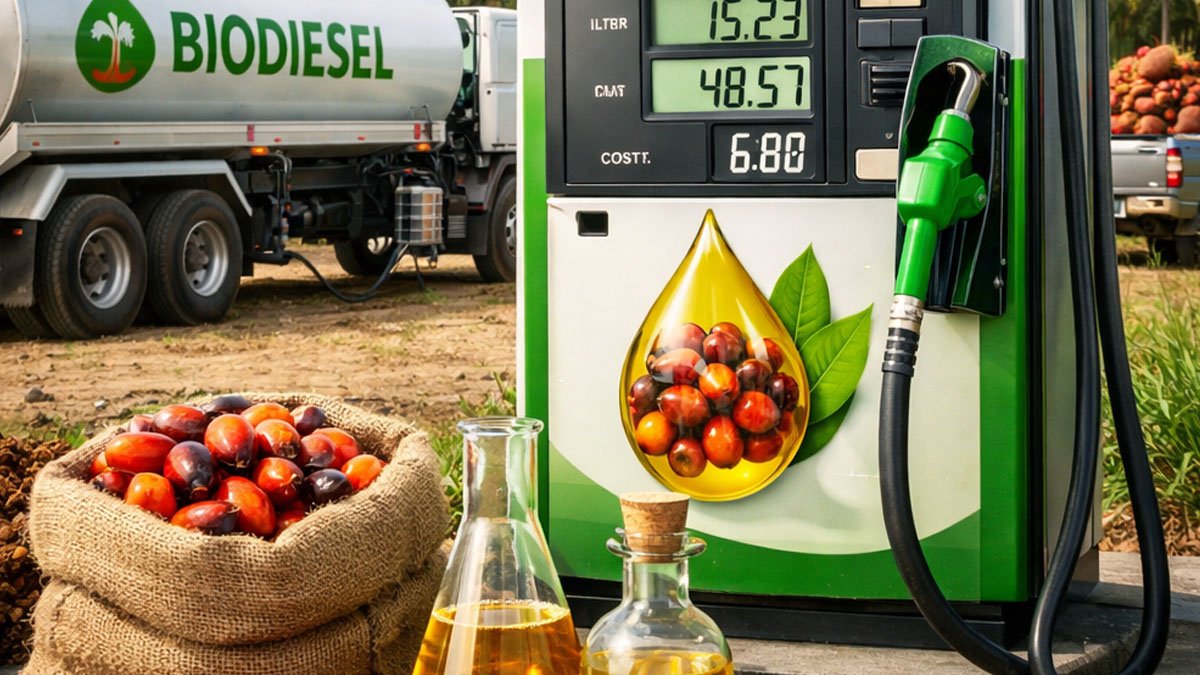
The B50 program refers to a fuel blending policy combining 50% palm oil-based biodiesel with 50% conventional diesel. The policy is seen as a strategic step to strengthen national energy security while increasing absorption of domestic palm oil production.
Minister of Energy and Mineral Resources Bahlil Lahadalia stated that despite ongoing global geopolitical uncertainties and energy efficiency measures adopted by various countries, Indonesia’s fuel reserves remain above the national minimum threshold.
Also Read: KPBN CPO Price Edges Up to IDR 16,200/kg on Monday as Global Market Faces Pressure
He emphasized that under the direction of President Prabowo Subianto, the government continues to prioritize energy resilience and public welfare amid global volatility.
“Even though we all know that the geopolitical tensions show no signs of abating, and while other countries have implemented various policies to improve efficiency within their own borders, we are grateful to Allah SWT for the guidance and direction of the President; our fuel reserves are all above the national minimum standard,” said Bahlil in an official statement published by Palmoilmagazine.com on Thursday, April 2, 2026.
At the same time, the Ministry of Energy and Mineral Resources is accelerating policy reviews to respond to rapidly changing global energy prices, particularly in the oil and gas sector. These measures aim to ensure domestic supply stability and maintain price control.
Also Read: Global CPO Weakens on Profit-Taking, Thailand Policy Limits Downside
Bahlil reiterated that the government places strong emphasis on protecting public purchasing power, especially for lower-income groups. As part of this approach, the government has decided to keep subsidized fuel prices unchanged.
This means that prices for Public Service Obligation fuels and subsidized diesel will remain stable, with no adjustments either upward or downward. Meanwhile, discussions are ongoing with Pertamina and private fuel retailers regarding potential pricing strategies for non-subsidized fuels.
To support national energy stability, the government is also encouraging the public to use fuel more efficiently. In addition, consumption control measures have been introduced, including purchase limits for subsidized fuels.
Also Read: Indonesia to Launch B50 Biodiesel in July 2026, Saving 4 Million KL of Fuel
For Pertalite (a subsidized gasoline), purchases are capped at 50 liters per day per vehicle. Similar restrictions apply to subsidized diesel for private vehicles, while public transportation and logistics vehicles remain unaffected.
These policies are expected to maintain a balance between energy supply and demand, while reinforcing the implementation of the B50 program as part of Indonesia’s broader strategy to accelerate energy transition based on domestic resources. (P2)