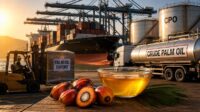
PALMOILMAGAZINE, JAKARTA — The Indonesian government will officially implement the 50% biodiesel mandate (B50) starting July 1, 2026, as part of its strategy to strengthen national energy independence amid global oil supply uncertainties driven by geopolitical tensions in the Middle East.
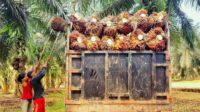
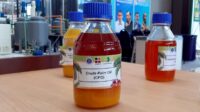
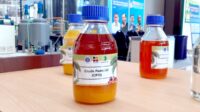
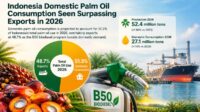
The B50 policy involves blending 50% palm oil-based biofuel (CPO) with 50% diesel. The initiative is expected to reduce reliance on fossil fuels while maximizing the utilization of domestic palm oil resources.
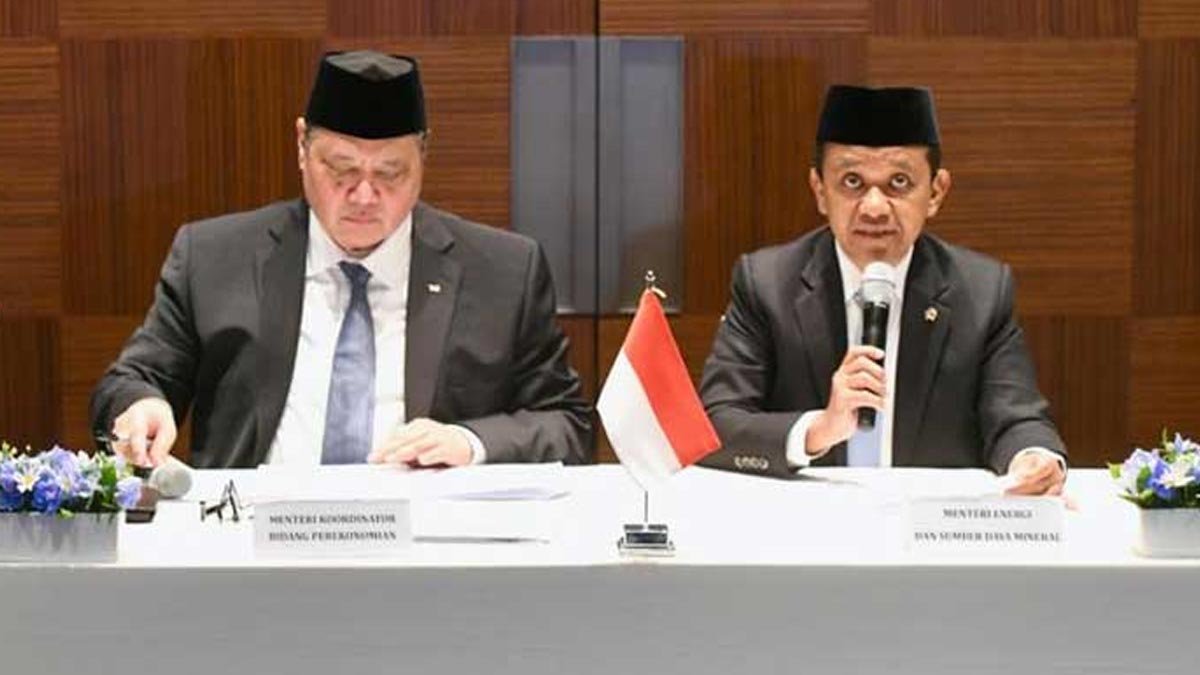
Coordinating Minister for Economic Affairs Airlangga Hartarto stated that the implementation of B50 is a key component of the government’s broader energy efficiency agenda, which will take effect in the second half of the year.
Also Read: Indonesia Accelerates Biofuel and Bioethanol Drive to Strengthen Energy Independence
“As part of our energy independence and efficiency efforts, the government will implement the B50 policy starting July 1, 2026,” he said during a virtual press conference on Thursday (April 2, 2026).
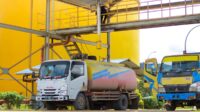
He added that infrastructure and operational readiness have been secured, including support from PT Pertamina (Persero) as the main entity responsible for national fuel distribution.
In terms of impact, the B50 mandate is projected to reduce fossil fuel consumption by up to 4 million kiloliters annually. Additionally, energy subsidy savings are estimated to reach IDR 48 trillion.
Also Read: Vegetable Oil Prices Swing as Energy Rally Fuels Biodiesel Demand but Weak Buying Caps Gains
“Within six months, we expect significant savings from reduced fossil fuel use and biodiesel subsidies, estimated at around IDR 48 trillion,” Airlangga noted.
Meanwhile, Minister of Energy and Mineral Resources Bahlil Lahadalia highlighted that the policy could also lead to a domestic diesel surplus.
“With the implementation of B50, we are optimistic that Indonesia will experience a diesel surplus this year, especially once the Refinery Development Master Plan (RDMP) project in East Kalimantan becomes operational,” he said.
According to Bahlil, the combination of the B50 program and refinery capacity expansion under the RDMP initiative will play a crucial role in maintaining national energy balance.
On the demand side, the government has also introduced measures to regulate subsidized fuel consumption. Since April 1, 2026, purchases of subsidized fuel for private vehicles have been capped at a maximum of 50 liters per day to ensure more targeted distribution.
Through these integrated policies, the government aims to strengthen national energy resilience while also supporting the domestic palm oil industry as the primary feedstock for biodiesel production. (P2)