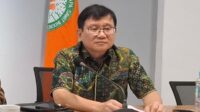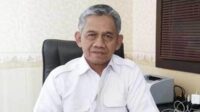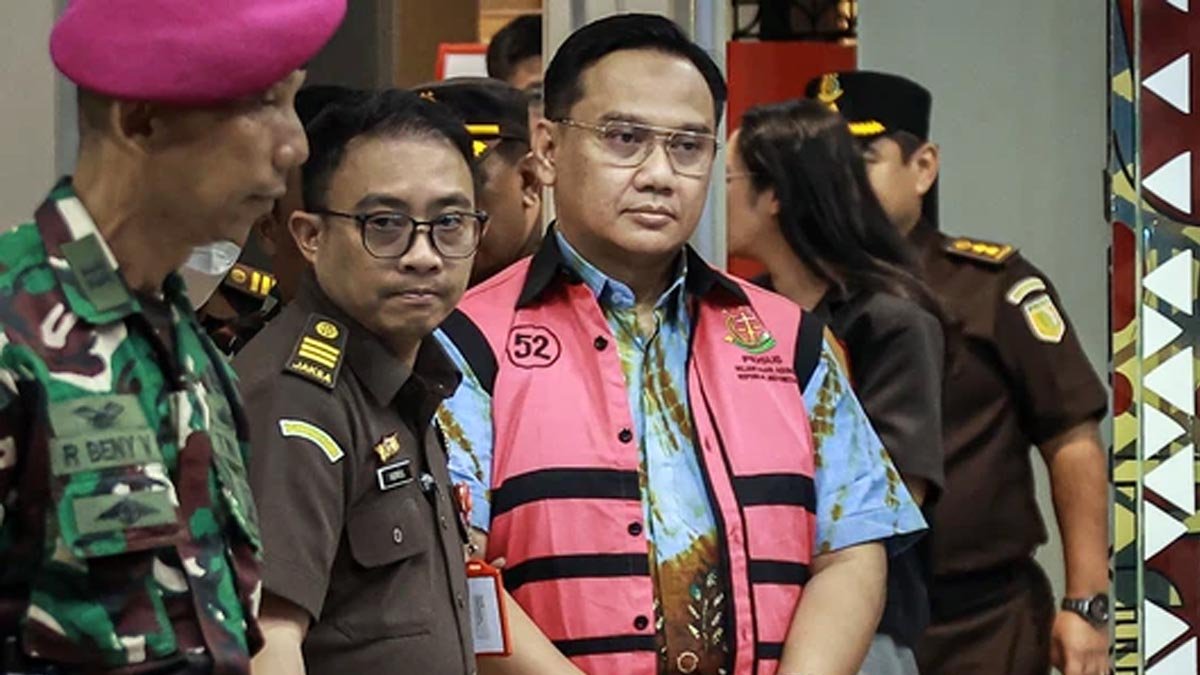
PALMOILMAGAZINE, JAKARTA – Indonesia’s Attorney General’s Office (AGO) has named former Ombudsman commissioner Yeka Hendra Fatika as a suspect in an alleged obstruction of justice case related to the investigation into crude palm oil (CPO) export governance and cooking oil policies.
The designation marks a new development in a broader legal case that initially emerged from allegations of judicial bribery involving several individuals, including lawyer Marcella Santoso.
According to Special Crimes Investigation Director Syarief Sulaeman Nahdi, investigators concluded that sufficient evidence had been gathered following an extensive investigation process.
Also Read: Indonesia Sets June CPO Reference Price at USD 1,029.51/MT Amid Softer Global Demand
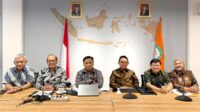
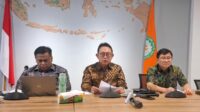
“After conducting a series of investigative procedures and obtaining sufficient evidence, investigators have named YHF, a member of the Ombudsman of the Republic of Indonesia for the 2021–2026 period, as a suspect,” Syarief said during a press conference at the AGO’s Special Crimes Building in South Jakarta.
Before the suspect designation, investigators had searched Yeka’s office and residence and questioned him as a witness in the case.
Also Read: GAPKI Acknowledges Under-Invoicing Persists in Indonesia’s Palm Oil Trade
Investigation Originated from Cooking Oil Shortage
The Attorney General’s Office said the case traces back to early 2022, when Indonesia faced a severe cooking oil shortage. At the time, Yeka, who was serving as an Ombudsman commissioner, initiated an investigation into alleged maladministration within the Ministry of Trade.
Investigators now allege that the substance of an Ombudsman investigative report was unlawfully altered during the process.
Also Read: One-Gate Export System and a New House Called Danantara
According to prosecutors, Yeka allegedly changed the focus of the Ombudsman’s findings from issues surrounding cooking oil shortages to recommendations supporting the removal of the Domestic Market Obligation (DMO) policy, a measure designed to secure domestic supplies before exports.
The report, identified as Ombudsman Investigation Report No. 418 dated August 15, 2022, later became a significant document in legal challenges filed by corporations opposing government policies on CPO exports.
Prosecutors contend that the report should have been submitted solely to the Ministry of Trade as the reported institution. Instead, investigators allege that the document was shared with private legal teams.
Also Read: KPBN CPO Bids Surge 7.7% Despite Withdrawn Tenders, Malaysia Futures End Mixed
“The report was allegedly provided to MS and the legal team from AALF Legal and subsequently used as the basis for lawsuits in the Administrative Court and civil litigation against the Ministry of Trade,” Syarief said.
Report Allegedly Used in Corporate Defense Strategy
The AGO believes the Ombudsman recommendation became an important legal instrument supporting corporate challenges against the government’s export policies.
Court decisions stemming from administrative and civil cases were later incorporated into defense arguments that ultimately resulted in acquittal-type rulings (onslag van alle rechtsvervolging) for three major corporations previously charged in the CPO export governance case.
Also Read: Riau Plasma FFB Prices Near IDR4,000/kg on Strong Palm Oil Market
The companies involved were affiliated with the Wilmar Group, Musim Mas Group, and Permata Hijau Group, all of which had faced allegations related to corruption in Indonesia’s cooking oil and palm oil export management system.
The broader investigation gained momentum after prosecutors uncovered indications of improper influence surrounding a March 2025 court ruling that released the corporations from criminal liability, prompting authorities to expand their inquiry into individuals suspected of involvement.
Alleged Receipt of Corporate Funds
Beyond the alleged manipulation of the Ombudsman report, investigators claim Yeka received funds from companies within the Wilmar Group.
According to prosecutors, the payments were allegedly linked to the modification of the report’s contents and were routed through third-party accounts in an effort to conceal the transactions.
Also Read: Sudaryono Meets Palm Oil Industry Players, Calls for Normal Trade Activities and Fair FFB Pricing
“YHF is suspected of receiving funds from companies within the Wilmar Group through another person’s bank account and obtaining several projects from companies affiliated with the group,” Syarief stated.
As a result, prosecutors have charged Yeka under Article 21 of Indonesia’s Anti-Corruption Law in conjunction with Article 20 of Law No. 1 of 2023 concerning obstruction of corruption investigations and prosecutions.
Investigators have also ordered his detention for an initial period of 20 days at the Salemba Detention Center branch operated by the Attorney General’s Office.
Also Read: Said Didu Supports Indonesia’s Export Reform Push to Curb State Revenue Leakages
The AGO had previously searched Yeka’s office and residence on March 9, 2026, while he was still serving as an Ombudsman commissioner.
At the time, AGO spokesperson Anang Supriatna confirmed that the search was connected to allegations that an Ombudsman recommendation had been used in lawsuits filed by CPO-exporting corporations against the government.
According to prosecutors, the alleged actions may have hindered ongoing investigations and prosecutions related to cooking oil and palm oil export governance.
The case adds another chapter to Indonesia’s expanding investigation into the management of CPO exports and cooking oil policies, while raising new concerns about the potential misuse of authority within public oversight institutions. (P2)