PALMOILMAGAZINE, JAKARTA – The Council of Palm Oil Producing Countries (CPOPC) has called for greater alignment of sustainability policies between ASEAN and APEC to reinforce open trade, enhance supply chain resilience, and reduce compliance burdens faced by industry players, particularly oil palm smallholders and micro, small, and medium-sized enterprises (MSMEs).
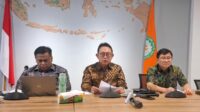
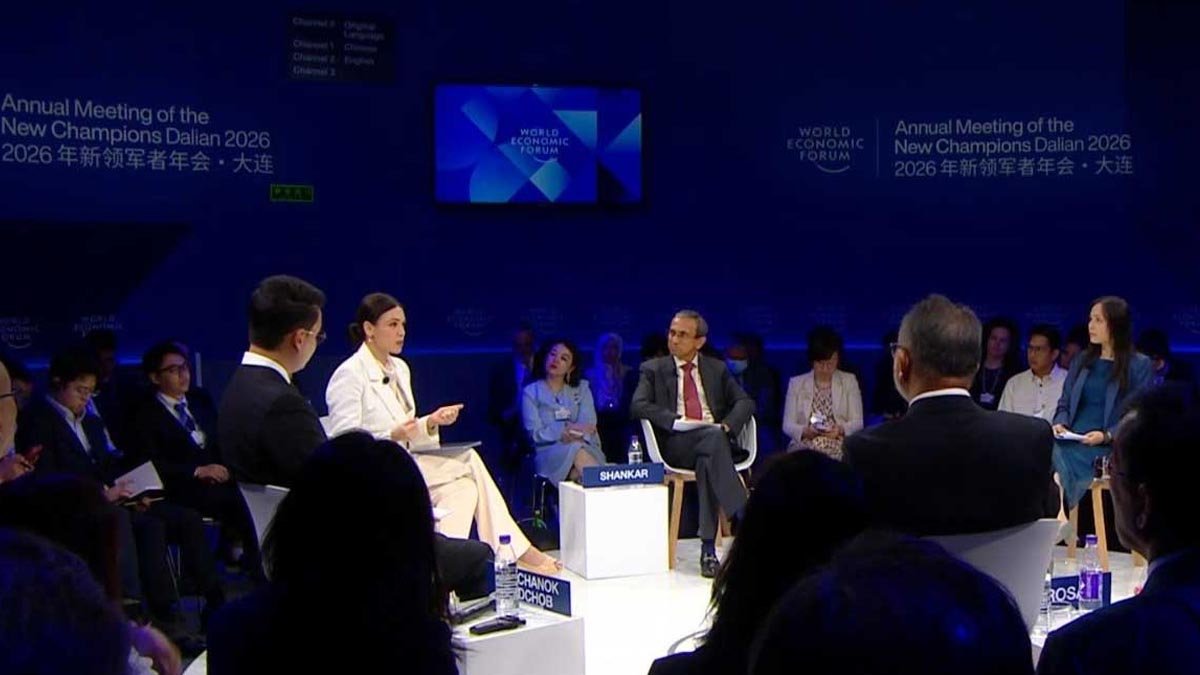
According to CPOPC’s communications platform on Friday (July 10, 2026), the issue was highlighted by CPOPC Secretary General Izzana Salleh during the World Economic Forum (WEF) Annual Meeting of the New Champions 2026 in a panel session titled “APEC, ASEAN and the Art of Alignment.”
The international forum brought together representatives from the APEC Secretariat, the Thai government, academia, and the private sector to discuss strategies for aligning economic policies across the Asia-Pacific region.
Also Read: Unila and South Korea’s Naysor Collaborate on Low-Ash Palm Biomass Pellets for Green Energy
In her remarks, Salleh emphasized that stronger cooperation between ASEAN and APEC should deliver tangible benefits to the real economy by facilitating cross-border trade, strengthening global supply chains, and harmonizing sustainability frameworks that are increasingly becoming prerequisites for international commerce.
CPOPC noted that sustainability requirements, traceability systems, and certification have become critical factors in determining market access for commodities, including palm oil. However, the organization warned that the growing number of differing sustainability regulations and certification schemes across export markets continues to raise compliance costs for businesses.
These challenges are particularly significant for independent smallholders and MSMEs, which often lack the financial and technical capacity to comply with multiple certification requirements imposed by different destination markets.
Also Read: AKPSI 2026: Gorontalo Calls for Stronger Palm Oil Partnerships to Boost Smallholder Prosperity
To address these issues, CPOPC advocated the development of interoperable and trusted sustainability systems and digital platforms that can improve transparency, support mutual recognition of sustainability standards, and broaden participation in sustainable global trade.
The forum also provided CPOPC with an opportunity to present the perspectives of palm oil-producing countries amid the rapid evolution of international trade and environmental policies.
Also Read: MPOB: Palm Oil Stocks Rise 4.78% as Production Outpaces Export Growth
Reaffirming its commitment to regional economic integration, the organization pledged to continue promoting sustainable and inclusive trade while building more resilient supply chains through constructive international collaboration. CPOPC believes these efforts are essential to ensuring the palm oil industry remains globally competitive while meeting increasingly stringent sustainability expectations. (P2)