PALMOILMAGAZINE, JAKARTA – Indonesia is accelerating efforts to strengthen smallholder institutions in the palm oil sector by integrating 1,135 existing palm oil cooperatives into the business ecosystem of PT Agrinas Palma Nusantara (Persero). The initiative aims to establish a cooperative-based partnership model, with an initial target of developing at least 250,000 hectares of plasma plantations.
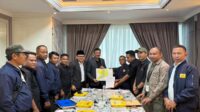
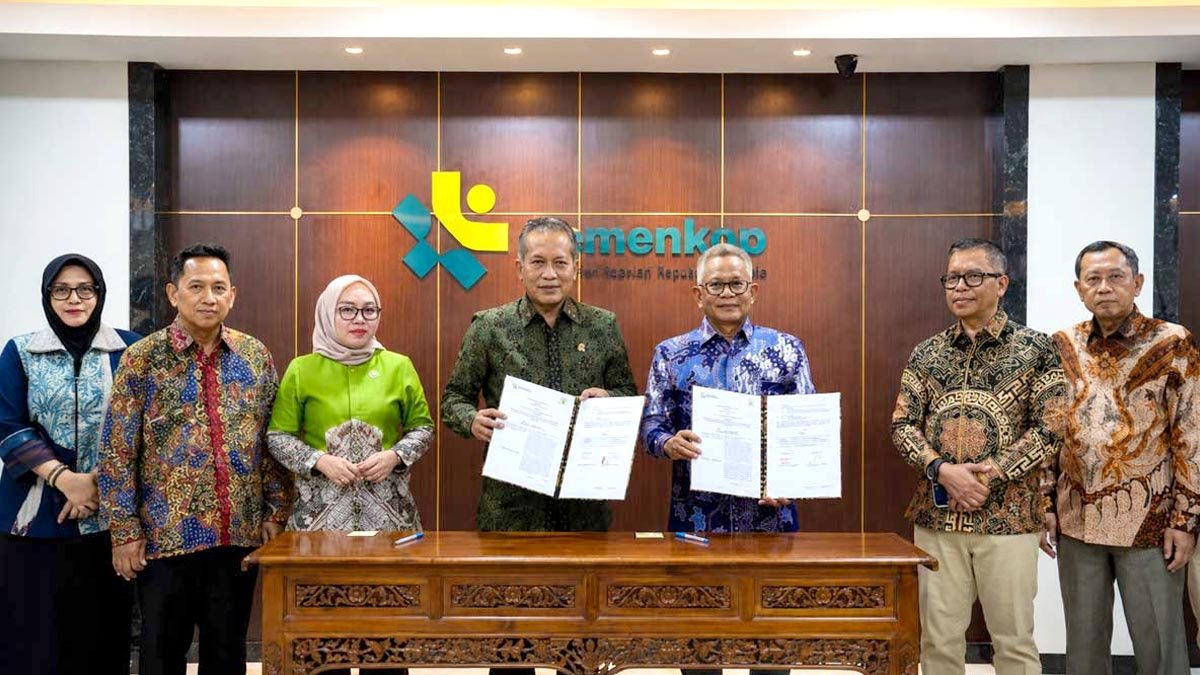
The initiative was formalized through the signing of a Memorandum of Understanding (MoU) between the Ministry of Cooperatives and PT Agrinas Palma Nusantara at the ministry’s headquarters in Jakarta last Thursday.
According to an official statement received by Palmoilmagazine.com on Monday, Minister of Cooperatives Ferry Juliantono said the partnership implements President Prabowo Subianto’s directive to strengthen the position of smallholder farmers through cooperative institutions across the entire palm oil value chain, from plantation development to downstream processing.
Also Read: Indonesia Sets July 2026 Biodiesel Market Index Price at IDR 14,562 per Liter
Under the proposed business model, PT Agrinas Palma Nusantara will serve as the nucleus company, while cooperatives will act as plasma partners directly involved in plantation management and supply chain activities.
“We want to establish a model in which PT Agrinas serves as the nucleus, while palm oil cooperatives are developed as plasma partners. At least 20% of productive plantation land will be managed by cooperatives,” Ferry said.
Indonesia currently has 1,135 cooperatives operating in the palm oil plantation sector, all of which are expected to become part of the new ecosystem.
Also Read: Palm Oil as a Renewable Natural Resource
Beyond plantation management, the government also envisions cooperatives moving further downstream by owning processing facilities, allowing farmers to capture greater value from the palm oil industry.
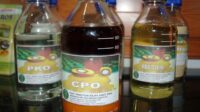
Ferry said cooperatives should expand into industrial activities, including operating crude palm oil (CPO) mills and manufacturing downstream products such as cooking oil and Red Cooking Oil (Minyak Makan Merah), which would later be distributed through the country’s village cooperative network.
“It is ironic that communities producing palm oil still have to queue for cooking oil. Cooperatives should become an instrument for creating a fairer palm oil trading system while improving farmers’ welfare,” he said.
Also Read: Indonesia Cuts July 2026 CPO Reference Price to USD 1,000.90 per Ton Amid Weak Global Demand
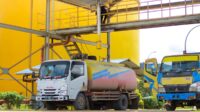
As part of the initiative, the Ministry of Cooperatives plans to inaugurate a cooperative-owned CPO mill in Musi Banyuasin, South Sumatra, in late July or early August. The facility is expected to serve as a pilot project for cooperative-led downstream palm oil industrialization.
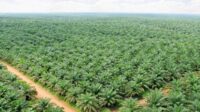
Meanwhile, Muhammad Abdul Ghani, President Director of PT Agrinas Palma Nusantara (Persero), said the company has been assigned to manage approximately 850,000 hectares of palm oil plantations located in forest areas previously reclaimed by the government through the Forest Area Enforcement Task Force (PKH). The managed area is expected to expand to 1.25 million hectares.
Of the total plantation area, at least 250,000 hectares will be designated as plasma estates managed by around 250 cooperatives, reinforcing the government’s strategy to increase smallholder participation in Indonesia’s palm oil industry while promoting more inclusive and sustainable sector growth. (P2)