
Singapore is seeking stronger legal powers to investigate companies suspected of contributing to transboundary haze, while the companies involved have expressed willingness to cooperate with the authorities.
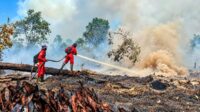
PALMOILMAGAZINE, SINGAPORE — Eight Indonesian palm oil companies are under scrutiny by the Singapore government over alleged links to forest and land fires (karhutla) that contributed to transboundary haze, as Singapore moves to strengthen its legal framework for investigating companies potentially responsible for air pollution.
Senior representatives of the companies have expressed their willingness to fully cooperate with Singaporean authorities in the investigation, according to reports following a meeting with senior government officials on Wednesday (Oct. 28, 2026).
Also Read: Zero Tolerance For Fires: RSPO Reinforces Strict Zero-Burning Standards
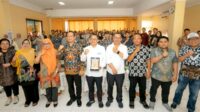
The meeting was attended by Singapore Deputy Prime Minister Gan Kim Yong, Senior Minister K Shanmugam and Minister for Sustainability and the Environment Grace Fu, according to detikcom.
The discussions focused on Singapore’s plans to strengthen its legal framework for pursuing parties considered responsible for pollution associated with transboundary haze.
The meeting also involved senior counsel Davinder Singh and officials from Singapore’s Attorney-General’s Chambers, the National Environment Agency (NEA) and the Ministry of Law.
Also Read: Is Palm Industry The Real Culprit Behind Forest and Land Fires?
Singapore Plans Stronger Haze Law
Singapore plans to propose amendments to its Transboundary Haze Pollution Act during the next parliamentary session, according to the government.
The proposed changes are intended to strengthen the legal basis for investigations into companies suspected of having links to fires that contribute to transboundary haze.
Under the proposed framework, companies that refuse to appoint inspection teams or fail to cooperate fully with investigations could face legal consequences.
Grace Fu said the government wants to ensure that investigative mechanisms have stronger legal authority.
“I will introduce amendments to the Transboundary Haze Pollution Act at the next parliamentary sitting to give the mechanism legal force,” Fu said, adding that companies that fail to comply could be considered to have committed an offence.
She said Singapore would use its existing powers to protect public health.
Also Read: Desacralizing Local Wisdom to Mitigate Forest and Land Fires
The proposed amendments underscore Singapore’s efforts to strengthen its legal tools for addressing transboundary haze and encourage companies subject to investigations to comply with requests from authorities.
Corporate Cooperation Under Scrutiny
The willingness of the companies’ representatives to cooperate is expected to be an important element of the investigation. However, allegations of links to fires should not be treated as a legal finding of responsibility unless and until supported by the relevant authorities and due process.
For Indonesia’s palm oil industry, the development puts renewed attention on environmental management, fire prevention and compliance with regulations governing transboundary pollution.
Also Read: GAPKI Strengthens Forest and Land Fire Prevention, Expands Monitoring Around Palm Oil Concessions
The investigation could also have implications for plantation companies operating in fire-prone areas, particularly in relation to their fire-prevention and response systems and their ability to provide information requested by authorities.
As of the latest available information, no final findings have been disclosed establishing legal liability for the eight companies. The case therefore remains subject to further investigation, while Singapore prepares proposed amendments to its transboundary haze legislation.
The developments are likely to be closely watched by palm oil producers and other plantation stakeholders as environmental compliance and cross-border accountability become increasingly important issues for the industry. (P2)