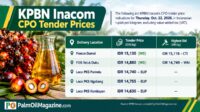


The government is accelerating smallholder replanting, certified planting material and farmer empowerment as Indonesia seeks to strengthen domestic palm oil supplies and support its energy-security agenda, including the B50 biodiesel program.
PALMOILMAGAZINE, JAKARTA — Indonesia’s Agriculture Ministry is stepping up efforts to strengthen the upstream palm oil sector while accelerating downstream development as part of a broader strategy to reinforce national economic and energy sovereignty.
Key priorities include accelerating Peremajaan Sawit Rakyat (PSR), expanding access to certified high-yielding planting material and strengthening smallholders’ bargaining position across the palm oil value chain.
Also Read: KPBN Inacom CPO Price Rises to IDR 15,125/kg on Friday (Oct. 30), Malaysia CPO Futures Gain
The message was delivered by the Agriculture Minister in remarks read by Iim Mucharam, Director of Palm Oil and Other Palms, at the Third National Meeting of Indonesian Palm Oil Farmers (PENAS III) on Wednesday (Oct. 28, 2026).
The government views palm oil as a strategic commodity whose importance extends beyond international trade. The sector supports millions of livelihoods, generates employment across producing regions and provides a critical feedstock for Indonesia’s renewable-energy development.
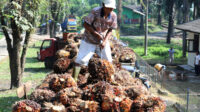
Yet structural challenges remain in the upstream sector, including an aging smallholder plantation base, farmer succession and limited access to certified planting material. Addressing these issues is increasingly important as Indonesia seeks to secure sufficient raw material supplies for both domestic consumption and downstream industries.
Also Read: Zero Tolerance For Fires: RSPO Reinforces Strict Zero-Burning Standards
Without productivity improvements at the plantation level, the government’s efforts to maximize palm oil’s contribution to economic growth and national energy security could face constraints.
PSR Becomes a Key Priority
The government is calling for a faster and more systematic implementation of Peremajaan Sawit Rakyat (PSR) to improve plantation productivity, raise smallholder incomes and strengthen the competitiveness of Indonesia’s palm oil industry.
Replanting programs need to be supported by reliable supplies of certified planting material and effective technical assistance, enabling smallholders to establish more productive plantations. Stronger farmer organizations and better access to processing industries are also needed to ensure higher productivity translates into greater economic benefits for growers.
The Agriculture Ministry reiterated its commitment to working closely with smallholders, emphasizing that farmers should not remain merely suppliers within the palm oil value chain but should have stronger bargaining power and a greater role in determining the sector’s future.
Palm Oil Gains Strategic Role in Energy Security
Beyond upstream improvements, downstream development is emerging as another pillar of Indonesia’s palm oil strategy.
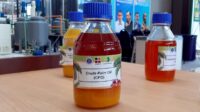
The expansion of the country’s biofuel program, including the planned implementation of B50, is increasing the strategic importance of a reliable domestic supply of palm oil feedstock. This makes productivity and sustainability at the plantation level increasingly critical to Indonesia’s energy ambitions.
Also Read: TEI 2026 Opens Global Markets for Indonesian Palm Oil as BPDP Strengthens Downstreaming
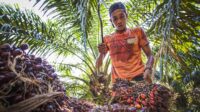
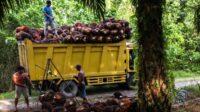
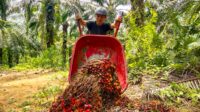
The government said national energy independence cannot be achieved without the active participation of smallholder farmers. Smallholder plantations account for more than 40% of Indonesia’s total oil palm area, making their productivity and economic resilience directly relevant to the country’s energy strategy.
Closer coordination among farmers, cooperatives, the Plantation Fund Management Agency, or Badan Pengelola Dana Perkebunan (BPDP), and palm oil processors will therefore be essential to building an integrated ecosystem.
Such cooperation is expected to improve feedstock security, strengthen the sustainability of the palm oil industry and ensure that a greater share of the economic value generated by downstream development reaches smallholders.
Also Read: West Sumatra FFB Price Rises IDR 53.44 to IDR 3,748.80/kg for 10–20-Year-Old Palms
The government also sees PENAS III as an opportunity to strengthen cooperation among Indonesia’s palm oil farmers and accelerate the implementation of PSR.
Through closer collaboration across the value chain, smallholders are expected to become more productive, resilient and competitive while playing a more strategic role in Indonesia’s ambition to become a global food and energy powerhouse. (P2)