
PALMOILMAGAZINE, KARAWANG, INDONESIA – Indonesia’s mandatory B50 biodiesel program is expected to mark a new phase in strengthening the country’s energy security while significantly increasing domestic consumption of crude palm oil (CPO), according to Energy and Mineral Resources Minister Bahlil Lahadalia.
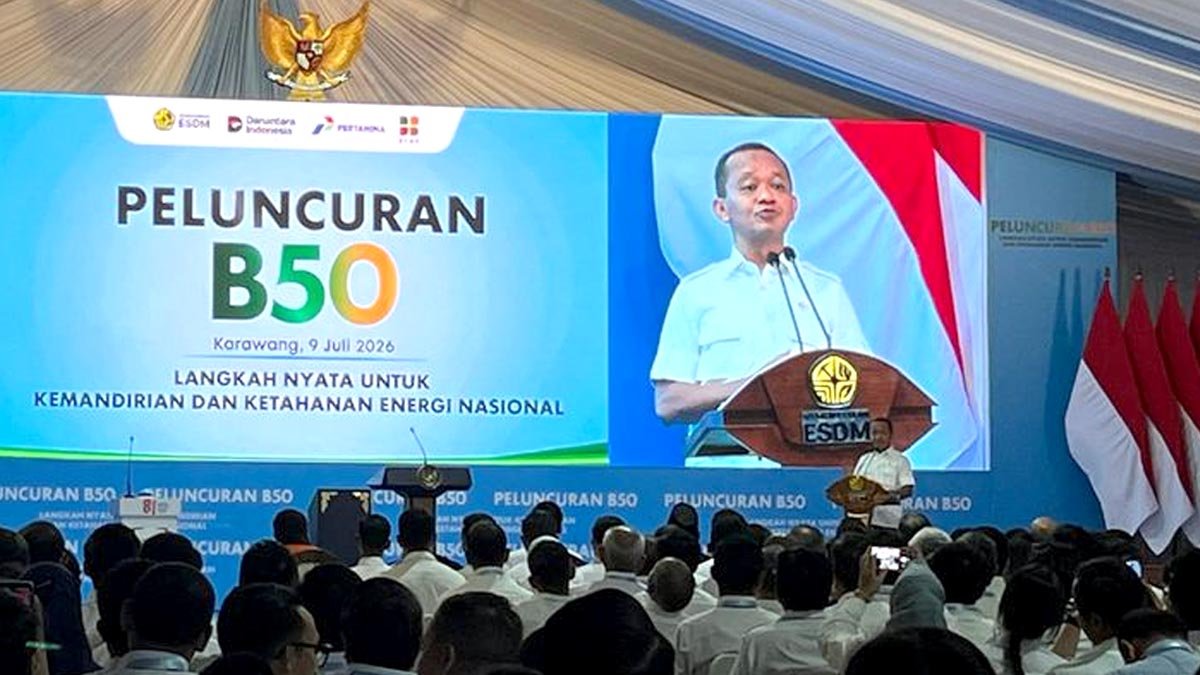
Speaking at the launch of the B50 Biodiesel Program in Karawang, West Java, on Thursday, Bahlil said the higher biodiesel blend would raise Indonesia’s annual CPO demand from around 15.2 million metric tons to between 16.3 million and 17 million metric tons.
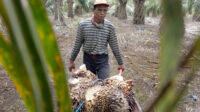
The increased domestic demand is expected to provide a more reliable market for millions of Indonesian oil palm smallholders, particularly during periods when export demand weakens due to global market conditions.
Also Read: Indonesia Sets July 2026 Biodiesel Market Index Price at IDR 14,562 per Liter
“When international prices decline or some importing countries reduce purchases, we can absorb a larger share of our CPO domestically through the B50 program. This helps stabilize palm oil prices while providing greater market certainty for both the industry and farmers,” Bahlil said.
Beyond expanding the domestic market, the minister said the policy would deliver substantial economic benefits. The government estimates that the B50 mandate could generate foreign exchange savings of around Rp170 trillion by reducing diesel imports—an increase from the savings achieved under the previous B40 program.
Lower fuel imports are expected to strengthen Indonesia’s trade balance while reinforcing national energy independence through greater utilization of domestic resources.
Also Read: Prabowo Launches B50 Biodiesel, Declares Indonesia First Nation to Mandate 50% Palm-Based Fuel Blend
The B50 program is also projected to increase value creation across the palm oil industry. The sector’s economic contribution is forecast to rise from approximately Rp20.9 trillion to Rp23.49 trillion, supported by stronger demand for biodiesel feedstock.
Employment is another anticipated beneficiary. Bahlil said the number of jobs supported throughout the palm oil supply chain could increase from around 1.8 million under the B40 mandate to approximately 2.1 million following the implementation of B50.
The policy is also expected to contribute to Indonesia’s climate goals. According to the minister, the use of B50 could increase annual greenhouse gas emission reductions from about 39.66 million metric tons of CO₂ equivalent to roughly 44 million metric tons, supporting the country’s transition toward a lower-carbon energy system.
Also Read: Indonesia’s KPBN Tender: CPO Price Rises to IDR15,600/kg as Trading Activity Recovers
B50 has already begun to be deployed across strategic sectors in five provinces, including mining, agriculture, rail transportation, maritime transport, and manufacturing.
Bahlil noted that companies previously hesitant to adopt the higher biodiesel blend are now committing to the policy. The government, he added, will continue monitoring compliance and evaluate businesses that fail to meet mandatory biodiesel requirements.
“We want domestically produced energy to become the primary choice. There is no reason to remain dependent on imported products when we have the capacity to produce them ourselves,” he said.
Also Read: Agrinas Palma Nusantara Reports Strong 2025 Performance with IDR2.86 Trillion Operating Surplus
Looking ahead, the government is preparing to introduce a bioethanol blending mandate, scheduled to begin in 2027 with an initial blend of 10% to 20%. The program will utilize feedstocks such as sugarcane, cassava, and corn, with production involving Pertamina, state-owned enterprises, and private sector partners.
Bahlil stressed that the B50 initiative represents more than a higher biodiesel blending ratio.
“B50 is not simply a blend of fossil fuel and biofuel. It is a symbol of Indonesia’s determination to harness its own natural resources and build true energy independence,” he said. (P2)