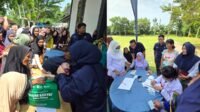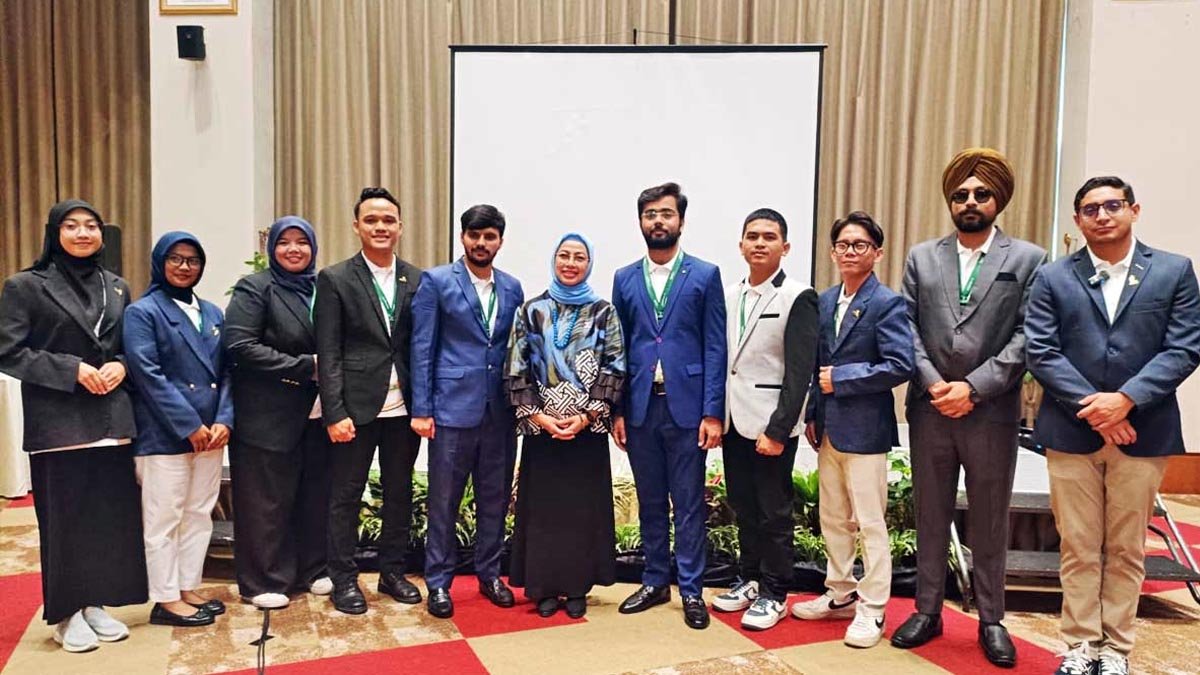
PALMOILMAGAZINE, JAKARTA – The Council of Palm Oil Producing Countries (CPOPC) is strengthening its efforts to improve global understanding of the palm oil industry by engaging young people through its Young Elaeis Ambassadors (YEAs) program. The initiative aims to equip youth from around the world with firsthand knowledge of the palm oil sector, enabling them to become credible and objective advocates within their communities.
Speaking during the Media Engagement #YEAs Induction Week 2026 in Jakarta on Thursday, CPOPC Deputy Secretary General Musdhalifah Machmud said the program was developed in response to the growing influence of social media in shaping public perceptions, particularly among younger generations.
“We invite young people from across the world to gain a deeper understanding of palm oil. Social media has become a primary source of information, especially for youth, but much of the information circulating online is often shaped by specific interests and agendas,” Musdhalifah told Palmoilmagazine.com.
Also Read: CPOPC Highlights Productivity Gaps and Rising Global Barriers in Palm Oil at IEF 2026
She emphasized that YEAs participants are expected to serve as informed communicators who can share balanced and accurate information about the palm oil industry among their peers and social networks.
“If they do not understand the industry, they cannot communicate the facts. We want them to learn, understand, and then share the positive aspects of palm oil with their friends and communities,” she said.
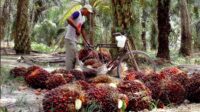
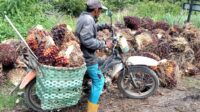
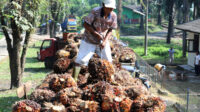
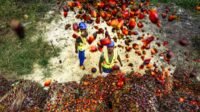
During the six-day induction program, participants were given the opportunity to experience Indonesia’s palm oil industry firsthand, visiting plantations and learning about various palm-based innovations. According to Musdhalifah, direct exposure is essential for building a comprehensive understanding of the sector.
Also Read: RSPO Strengthens Smallholder Support with IDR416 Billion Amid Stricter Global Sustainability Rules
She noted that many participants from non-palm oil-producing countries encountered oil palm trees for the first time during the program.
“One participant from India told us that he had never seen an oil palm tree before. After coming to Indonesia, they gained a much clearer understanding of what the industry actually looks like,” she explained.
Musdhalifah added that the YEAs program has continued to grow in scale and diversity each year, attracting participants from an increasing number of countries and backgrounds.
Also Read: CPOPC’s 30th Senior Officials Meeting Strengthens Unity Among Palm Oil Producing Nations
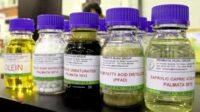
The program has also become a platform for innovative ideas related to nutrition, value-added palm products, and environmentally friendly applications derived from palm-based materials.
“There are many inspiring innovations being proposed. Some participants, for example, introduced palm-based materials that are biodegradable after use and can even support plant growth. This kind of creativity is exactly what we want to encourage so they can become champions in promoting the positive potential of palm oil,” she said.
Through the YEAs initiative, CPOPC hopes to harness the participants’ creativity, communication skills, and global networks to foster broader public understanding of the palm oil industry and its contributions to sustainable development.
Also Read: KPBN CPO Price Rises to IDR 15,450/kg Despite Weakness in Malaysian Palm Oil Futures
As part of the program’s follow-up activities, Young Elaeis Ambassadors are encouraged to continue conducting educational campaigns through social media platforms for several months after completing the induction program.
“We can no longer rely solely on governments or industry stakeholders to promote palm oil. Society, especially young people, has a crucial role in raising public awareness about palm oil and its contributions,” Musdhalifah said.
She believes that engaging youth represents one of the most effective strategies for building a more balanced global narrative around the palm oil industry while highlighting the sustainability initiatives that have been implemented throughout the sector. (P2)