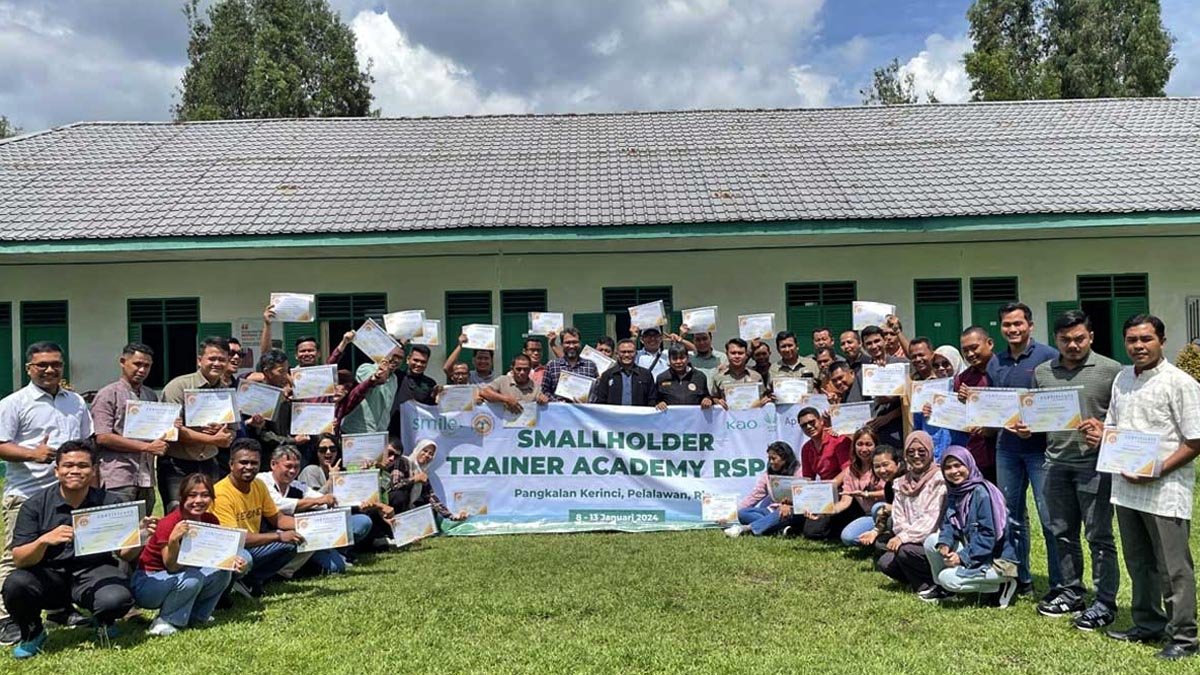
PALMOILMAGAZINE, JAKARTA – Developing oil palm smallholders’ capacity for sustainable farming requires more than strong technical training. Building trust, understanding local social conditions, and adapting to farmers’ needs are equally critical, according to trainers involved in the Roundtable on Sustainable Palm Oil’s (RSPO) Smallholder Trainer Academy (STA).
As quoted by Palmoilmagazine.com from the RSPO website, Sunday (July 12, 2026), Master Trainers in the STA program agree that the greatest challenge is not explaining sustainability concepts but translating complex standards into practical, easy-to-apply farming practices.
While most trainers have strong technical backgrounds, they said successful training depends largely on interpersonal skills, including earning farmers’ trust, understanding local culture, and encouraging behavioral change among growers who have followed the same farming methods for decades.
Also Read: Lampung Ships 14,000 Tons of Palm Kernel Expeller to New Zealand, Expanding Palm Byproduct Exports
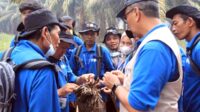
Indonesian STA Master Trainer Sarjan Alatas said working with independent smallholders requires greater time, energy, and customized approaches than other farmer groups. Trainers must adapt their communication to local cultures, languages, and the specific characteristics of each farming community.
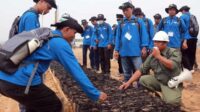
To address these challenges, RSPO’s Master Trainer Program combines technical expertise with adult learning methodologies that emphasize practical understanding, knowledge retention, and real-world application. Trainers also receive ongoing support through field mentoring, webinars, peer learning via the STA Portal, and continuous coaching.
Malaysian STA Master Trainer Nur Syafiqah Syuhadah Tajudin said the program has significantly improved her communication skills and strengthened her ability to deliver more impactful training.
Also Read: PTPN Group Reports 181% Jump in 2025 Net Profit as Transformation Drives Strong Growth
Since its launch in 2019, the STA Master Trainer network has trained more than 18,000 oil palm smallholders across Indonesia, Malaysia, Thailand, Latin America, and Africa.
RSPO said the program’s impact extends beyond the number of farmers trained, contributing to stronger trainer capabilities, improved farmer mindsets, better plantation management practices, and ultimately higher smallholder livelihoods. The initiative has also created new professional opportunities for trainers through expanded competencies, broader recognition, and access to a global sustainability network.
Looking ahead, RSPO said its priority is not only to expand the number of trainers and participants but also to ensure that sustainable practices are consistently adopted in the field through continuous mentoring, peer learning, and regular evaluation. The organization believes the long-term transformation of the palm oil sector depends not only on policies and certification standards, but also on trainers who can turn sustainability principles into practical action for smallholders worldwide. (P2)