PALMOILMAGAZINE, JAKARTA – Indonesia’s foreign trade continued to demonstrate resilience amid global economic uncertainty. Although the country recorded a trade deficit of US$1.61 billion in May 2026, it still posted a cumulative trade surplus of US$4.03 billion during January–May 2026, supported by a strong non-oil and gas trade surplus.
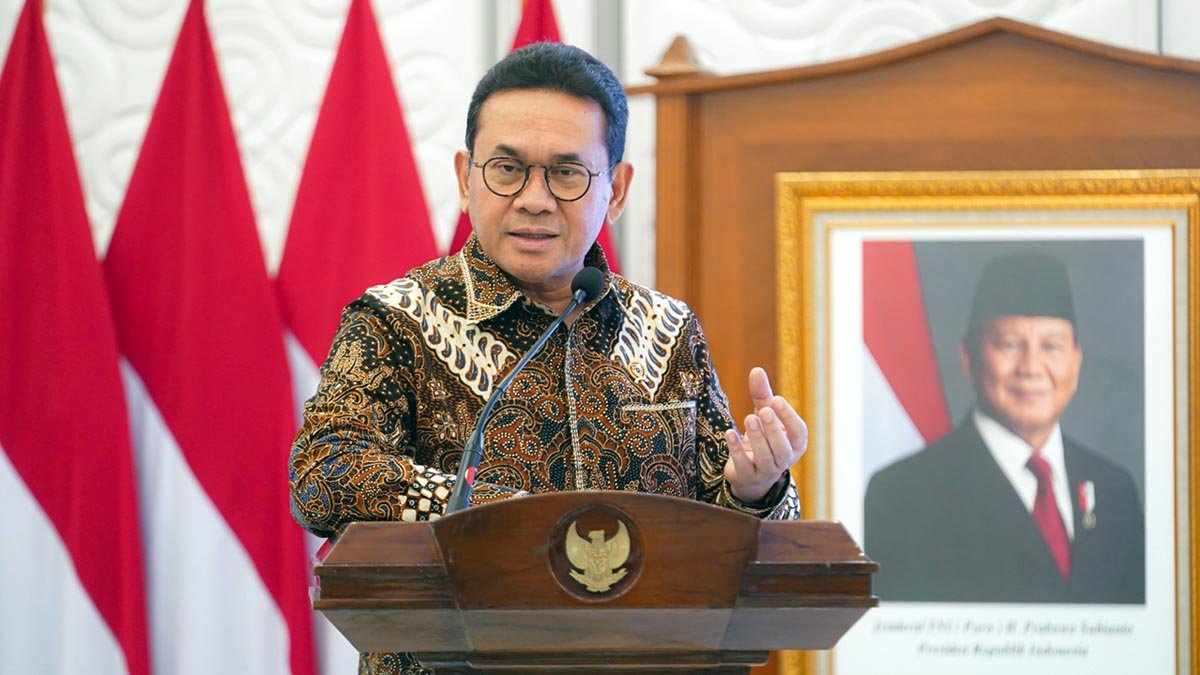
Trade Minister Budi Santoso said the non-oil and gas sector remains the backbone of Indonesia’s export performance. He noted that the sustained surplus reflects the competitiveness of Indonesian products despite slower global economic growth and continued pressure on the energy sector.
Data from the Ministry of Trade showed that Indonesia recorded a non-oil and gas trade surplus of US$16.31 billion during the first five months of 2026, more than offsetting the US$12.28 billion deficit in the oil and gas sector. In May alone, the oil and gas trade deficit widened to US$3.76 billion, driven primarily by imports of refined petroleum products worth US$3.40 billion and crude oil imports totaling US$700 million. Natural gas trade, however, still generated a surplus of US$350 million.
Also Read: Indonesia Cuts July 2026 CPO Reference Price to USD 1,000.90 per Ton Amid Weak Global Demand
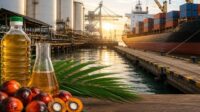
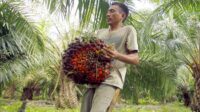
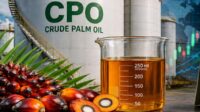
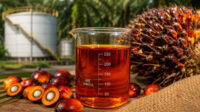
Despite these pressures, the non-oil and gas sector posted a surplus of US$2.15 billion in May. The three largest contributors were mineral fuels (HS 27) with a surplus of US$2.54 billion, animal or vegetable fats and oils (HS 15)—dominated by palm oil products—at US$2.21 billion, and iron and steel (HS 72) at US$1.38 billion.
Cumulatively through May 2026, animal and vegetable fats and oils (HS 15) were the largest contributor to Indonesia’s non-oil and gas trade surplus, generating US$13.92 billion. Mineral fuels followed with US$10.88 billion, while iron and steel contributed US$7.09 billion.
The United States remained Indonesia’s largest non-oil and gas trade surplus destination at US$8.47 billion, followed by India at US$5.34 billion and the Philippines at US$3.42 billion.
Also Read: Indonesia Sets July 2026 Biodiesel Market Index Price at IDR 14,562 per Liter
Manufacturing Continues to Drive Exports
Indonesia’s exports totaled US$23.20 billion in May 2026, down 8.30% from April and 5.73% lower than a year earlier. However, cumulative export performance remained positive.
Total exports reached US$115.36 billion during January–May 2026, up 3.02% year-on-year. Non-oil and gas exports increased 3.89% to US$110.19 billion, while oil and gas exports declined 12.71% to US$5.17 billion.
Also Read: Prabowo Launches B50 Biodiesel, Declares Indonesia First Nation to Mandate 50% Palm-Based Fuel Blend
Budi Santoso said the manufacturing sector continues to be the primary engine of Indonesia’s export growth, adding that downstream industrialization policies are beginning to generate higher value-added exports.
During the first five months of 2026, manufacturing exports rose 6.80% year-on-year, led by aluminum and aluminum products (+64.33%), nickel and downstream products (+60.88%), and organic chemicals (+31.04%), supported by stronger global commodity prices and improving international demand.
Meanwhile, several sectors remained under pressure. Agricultural exports fell 24.95%, oil and gas exports declined 12.71%, and mining and other exports dropped 8.14%. The steepest declines in agriculture came from cocoa and cocoa products (-39.34%) and coffee, tea, and spices (-29.94%), while exports of metal ores, slag, and ash plunged 45.97%.
Export Market Diversification Gains Momentum
Indonesia continued to expand its export destinations during January–May 2026. Non-oil and gas exports to Romania surged 409.78%, followed by Hong Kong (+34.01%), Egypt (+33.73%), Thailand (+19.32%), and China (+17.68%).
Exports to Central Asia, North Africa, East Asia, South America, and West Africa also recorded positive growth, reflecting the government’s success in diversifying export markets and reducing reliance on traditional trading partners.
Also Read: MPOB: Palm Oil Stocks Rise 4.78% as Production Outpaces Export Growth
For Indonesia’s palm oil industry, the trade data once again highlights the strategic role of animal and vegetable fats and oils (HS 15), largely consisting of palm oil products, as the country’s largest contributor to the non-oil and gas trade surplus and a key pillar supporting the stability of Indonesia’s overall trade balance amid global economic challenges. (P2)