PALMOILMAGAZINE, JAKARTA – Indonesia’s plan to establish a Special Export Agency under PT Danantara Sumber Daya Indonesia (Danantara SDI) has generated widespread discussion among economists, business groups, and stakeholders in the natural resource sector. The initiative is intended to strengthen export oversight and address concerns over potential losses in state revenue linked to international trade practices.
One of the key motivations behind the proposal is the government’s concern over alleged under-invoicing and transfer pricing schemes involving exports of strategic commodities. According to findings reported by various media outlets, some export transactions have been structured through affiliated companies in Singapore before being resold to final buyers in overseas markets at higher prices.
Under such arrangements, commodities are shipped directly from Indonesia to the destination country, while trade documentation records the transaction as passing through entities located abroad. Policymakers argue that these practices may reduce the value of exports officially recorded in Indonesia, potentially affecting tax revenues and foreign exchange earnings.
The issue is not limited to palm oil. Similar concerns have been raised regarding coal and other natural resource commodities, prompting calls for tighter monitoring of export transactions and supply chains.
Supporters of stronger oversight argue that Indonesia must ensure that the full economic value generated by its natural resources contributes to domestic growth. They believe better governance could help maximize tax collection, increase foreign exchange reserves, and improve transparency in international trade.
However, critics caution that policies designed to curb export leakages must avoid creating unintended consequences for farmers and small producers who are not involved in questionable trade practices.
Also Read: Prabowo Highlights Palm Oil Export Leakages, Warns of Under-Invoicing Practices
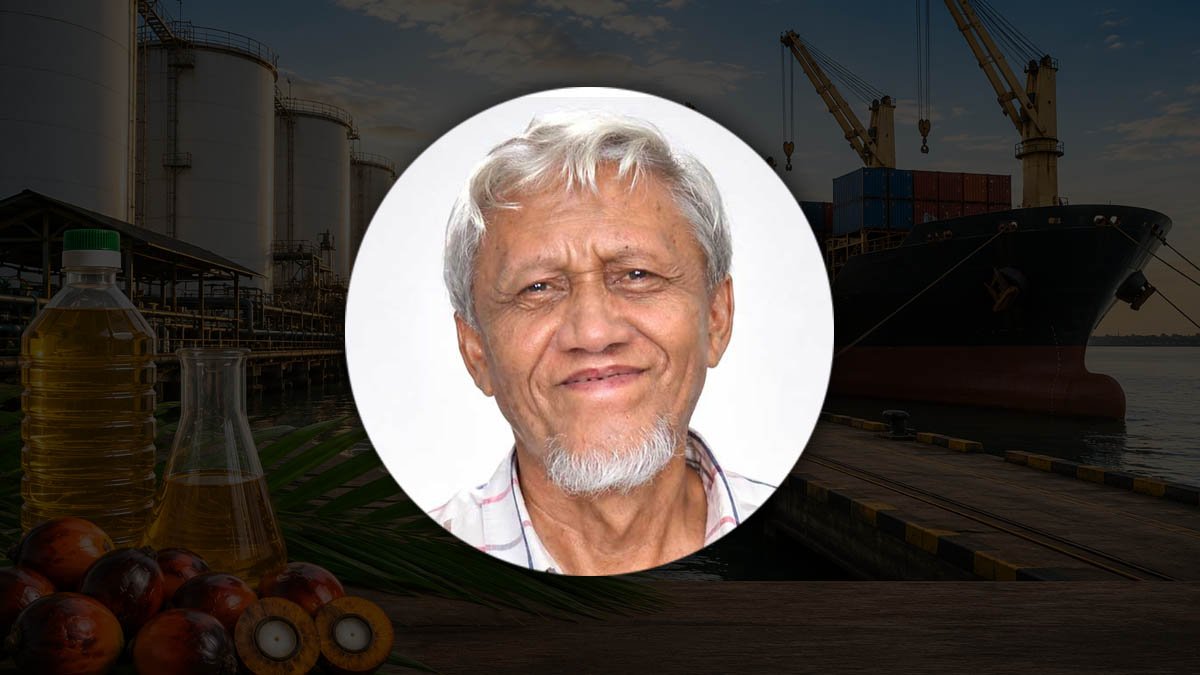
Social and plantation affairs observer Memet Hakim argues that under-invoicing and transfer pricing are long-standing issues in global trade and should be addressed through more effective regulation and enforcement rather than measures that could burden primary producers.
According to him, palm oil farmers have already faced multiple levies and regulatory costs that affect profitability. As a result, any new export framework should ensure that smallholders are not disproportionately affected by reforms aimed at larger corporate players.
Hakim believes that if commodity pricing and export reporting more accurately reflect actual market values, the benefits would ultimately be shared across the economy—from farmers and businesses to the government through increased revenue collection.
Also Read: Sudaryono Meets Palm Oil Industry Players, Calls for Normal Trade Activities and Fair FFB Pricing
The proposal has also raised questions about whether a new institution is necessary, given that export licensing, taxation, auditing, and financial supervision are already handled by existing ministries and agencies.
For some observers, the effectiveness of a dedicated export body will depend less on its organizational structure and more on its ability to coordinate with existing institutions, enforce regulations consistently, and uphold transparency across the export sector.
The debate also highlights broader concerns about Indonesia’s trade governance framework. Some stakeholders argue that strengthening current institutions may be more effective than creating additional layers of bureaucracy, while others see the new agency as an opportunity to centralize oversight and improve accountability.
Also Read: KPBN CPO Bids Surge 7.7% Despite Withdrawn Tenders, Malaysia Futures End Mixed
At the same time, proponents of the initiative contend that Indonesia should seek to retain more of the economic value generated by export-related services, including documentation, brokerage, shipping, logistics, and financial transactions.
If more of these activities were conducted domestically, supporters argue, Indonesia could capture additional tax revenue, create new business opportunities, and strengthen its position within global commodity supply chains.
Beyond the technical aspects of export administration, the discussion surrounding Danantara reflects broader questions about economic sovereignty, institutional effectiveness, and the distribution of benefits from Indonesia’s vast natural resource wealth.
Also Read: GAPKI Acknowledges Under-Invoicing Persists in Indonesia’s Palm Oil Trade
Ultimately, the success of any export governance reform will depend on its ability to reduce economic leakages while maintaining competitiveness and protecting the interests of farmers, producers, and legitimate businesses.
As Indonesia continues to pursue higher-value economic growth, policymakers face the challenge of ensuring that reforms deliver greater transparency and state revenue without undermining the productive sectors that form the backbone of the national economy. (*)
Author: Memet Hakim / Social and Plantation Analyst, and Member of the APIB Advisory Board
Disclaimer: This article reflects the author’s personal views and is solely the author’s responsibility.