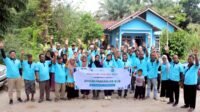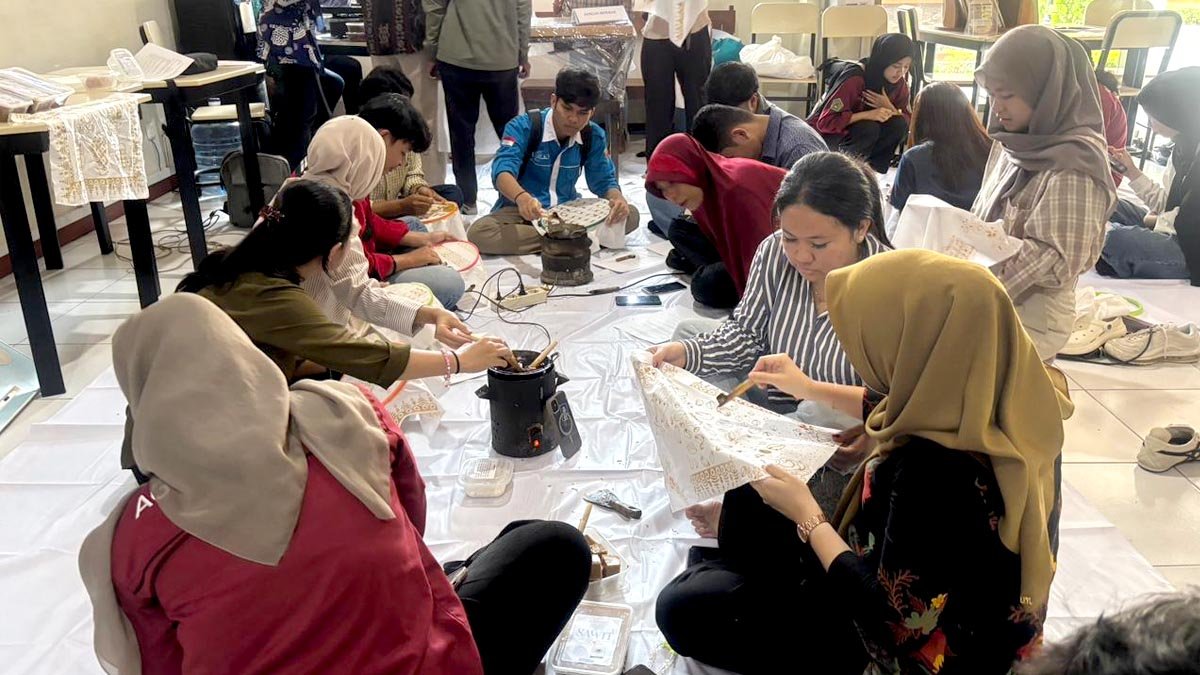
PALMOILMAGAZINE, YOGYAKARTA (March 4) – A group of 23 students gathered in the lobby of the Faculty of Agricultural Technology at INSTIPER Yogyakarta, spending their late afternoon (Ngabuburit) learning the art of batik while experimenting with a more sustainable material: palm-based wax.
The activity was part of a community engagement program titled “Eko-Batik Lestari: Pemanfaatan Bio Paraffin Kelapa Sawit sebagai Malam Alternatif Ramah Lingkungan dan Keberlanjutan Batik untuk Gen Z.” The initiative aims to introduce younger generations to greener innovations in traditional crafts.
Betti Yuniasih, head of the community service program and a lecturer at the Faculty of Agriculture, explained that the project promotes palm-based batik wax as a more environmentally friendly substitute for conventional paraffin derived from petroleum.
Also Read: APKSM Strengthens Smallholder Readiness for ISPO and RSPO Certification in West Kotawaringin
“This program introduces palm wax that is more sustainable compared to petroleum-based paraffin. The wax uses stearin as a substitute material,” she said in a statement received by Palmoilmagazine.com on Wednesday, March 4, 2026.
Dina Mardhatillah, a program team member and lecturer at the Faculty of Agricultural Technology, elaborated on the technical advantages of stearin.
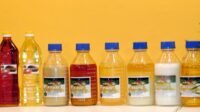
“Stearin is the solid fraction derived from palm oil. It can replace paraffin because it is biodegradable, non-toxic, renewable, and produces lower carbon emissions,” she noted. “In batik production, stearin creates a distinctive cracking effect, helps the wax solidify faster after application, and simplifies the wax removal process at the final dyeing stage.”
The workshop specifically targeted Gen Z students, reinforcing the importance of preserving batik as Indonesia’s globally recognized cultural heritage. Beyond cultural appreciation, the program emphasizes sustainability in the batik-making process itself, including the use of environmentally friendly raw materials such as palm-based wax.
Most of the participants, who come from outside Java Island, had never practiced batik before. Many were also unaware that palm oil derivatives could serve as raw materials for batik wax. The workshop, held in the late afternoon during Ramadan, provided a meaningful “ngabuburit” activity—spending time productively while waiting to break the fast.
Natasya, one of the student participants, shared her enthusiasm. “I joined because I had never learned batik before. It was exciting to experience the full process—from sketching patterns to hand-drawn batik and stamped batik. Before this training, I didn’t know that palm oil derivatives could be used as a substitute for paraffin in batik wax,” she said.
The initiative highlights how palm oil derivatives can support sustainable creative industries while strengthening youth engagement in cultural preservation. By integrating environmentally responsible materials into traditional craftsmanship, programs like this aim to ensure that Indonesian batik remains not only culturally relevant but also environmentally sustainable for future generations. (P3)