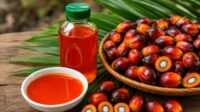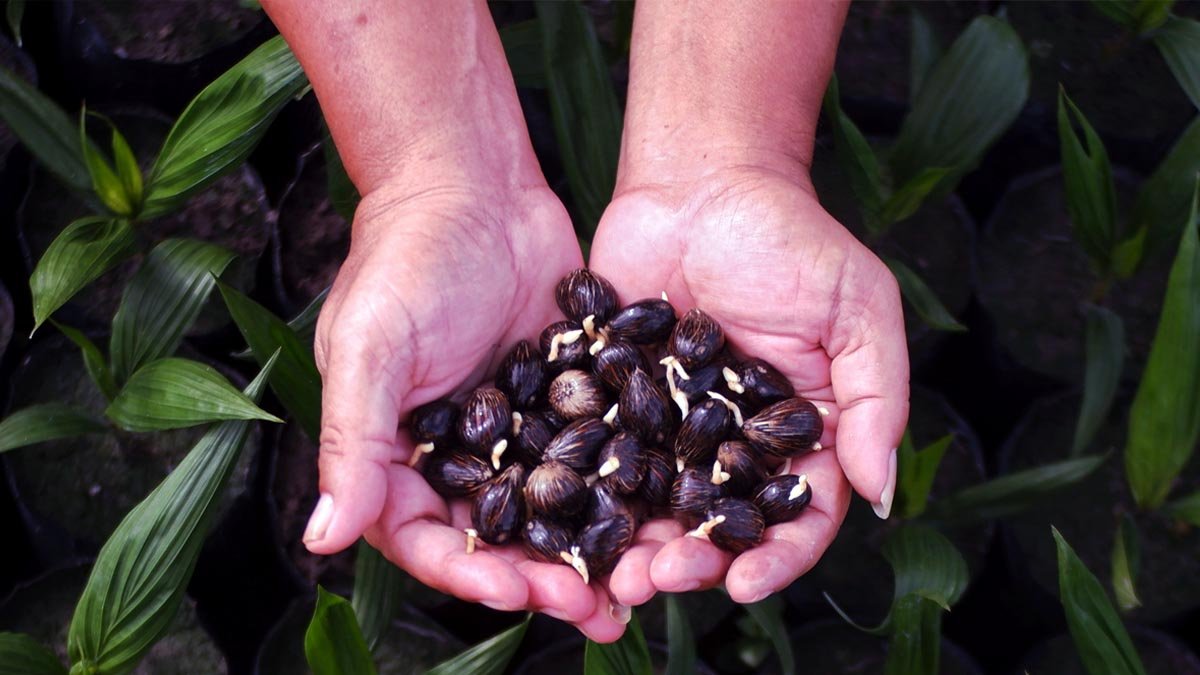
PALMOILMAGAZINE, BANDARLAMPUNG – The Lampung Animal, Fish, and Plant Quarantine Agency has intercepted 5,250 illegal oil palm seeds that were set to be shipped out of the province via Radin Inten II Airport.
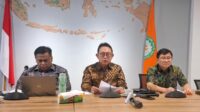
Head of the Lampung Quarantine Agency, Donni Muksydayan, stated that the seizure resulted from close coordination between quarantine officers and Aviation Security (Avsec) personnel during outbound cargo inspections at the airport.
“We secured 5,250 oil palm seeds without proper documentation at Radin Inten II Airport that were about to be sent outside the region,” Donni said in his statement in Bandarlampung, as quoted by Palmoilmagazine.com from Antara, Wednesday (2/18/2026).
Also Read: India Remains a Strategic Market for Indonesian Palm Oil
Detected Through X-Ray Screening
The case began when officers conducted routine cargo screening using X-ray machines. During inspection, a shipment sent via an expedition service was flagged as suspicious.
Upon further examination, a package labeled as a general “parcel” was found to contain four boxes holding 1,000 oil palm seeds originating from South Lampung. The shipment was destined for Kapuas Regency in Central Kalimantan.
Subsequent inspections uncovered additional packages using a similar modus operandi. Officers discovered another 4,250 oil palm seeds shipped from Metro and Bandarlampung, intended for Kutai and Balikpapan in East Kalimantan.
“All of these packages were not reported to quarantine officers and were not accompanied by an Inter-Area Plant Quarantine Certificate,” Donni explained.
Also Read: Apical Calls for Aligned Standards and Traceability to Accelerate SAF Growth in Asia Pacific
High-Risk Commodity with Potential Pest Threat
Donni stressed that seeds and planting materials are classified as high-risk commodities because they can serve as carriers of quarantine plant pests and diseases.
“If these pass through without inspection, the impact could be widespread across the plantation sector. We will not tolerate shipments without official documentation,” he asserted.
The uncontrolled circulation of seeds poses a serious threat of spreading quarantine plant pests (OPTK) to new areas, potentially undermining plantation productivity, including in the oil palm sector.
Also Read: Five Key Issues Shaping Indonesia–India Palm Oil Trade
Supervision of plant commodity movement between regions is regulated under Law No. 21 of 2019 on Animal, Fish, and Plant Quarantine. The law requires all plant commodities transported across regions to be reported and accompanied by official quarantine documentation.
Authorities also warned business actors against disguising seed shipments as ordinary parcels, emphasizing that such actions violate regulations and may lead to sanctions under prevailing quarantine law.
The case sends a clear message: enforcement is tightening. For industry players, compliance is not optional—it is essential to protect plantation health and long-term productivity. (P2)