PALMOILMAGAZINE, BEIJING — China and the United States are expected to reach a new agricultural trade agreement during high-level talks this week, potentially expanding Chinese purchases of US grains and meat products. However, market participants do not anticipate a significant surge in soybean imports from the United States.
Agriculture remains one of the few sectors with relatively lower tensions in bilateral relations between the world’s two largest economies. Still, the final shape of the agreement between US President Donald Trump and Chinese President Xi Jinping remains unclear ahead of their official meeting.
The US government is reportedly seeking stronger purchasing commitments from Beijing for agricultural commodities, including soybeans.
Also Read: Malaysia’s Palm Oil Stocks Rise to 2.30 Million Tons in April 2026 as CPO Output Surges
“They know this is something they need and something we want to sell,” a senior US official told reporters while briefing the media on the agenda of the visit.
According to Reuters, as quoted by Palmoilmagazine.com on Monday (May 18, 2026), the meeting will also be attended by more than a dozen U.S. corporate executives and CEOs, including representatives from the global grain trading company Cargill.
Despite the optimism surrounding the negotiations, analysts and traders believe the room for additional Chinese soybean purchases from the US remains limited. Weak domestic demand in China and more competitive soybean prices from Brazil continue to weigh on US export prospects.
Also Read: Investment Banks Forecast Elevated CPO Prices Through 2026, Strong El Nino Seen as Key Driver
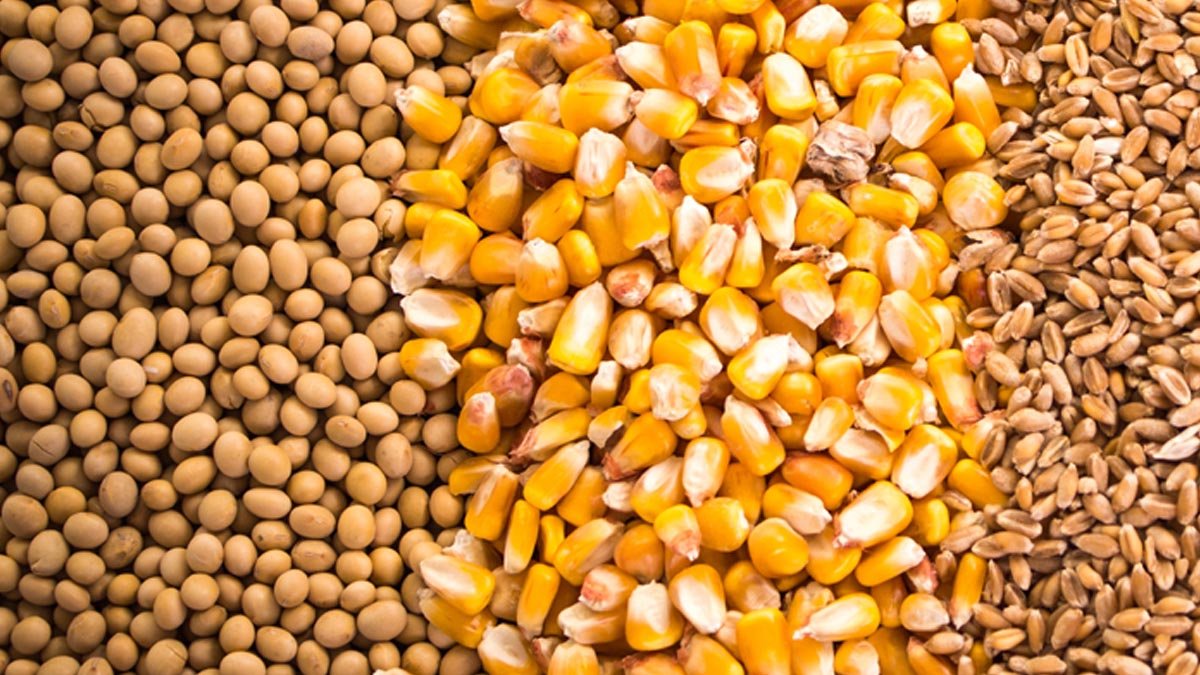
Instead, the market sees greater potential for agreements involving other agricultural commodities such as corn, sorghum, milling wheat, beef, and poultry, which had already been discussed during previous high-level talks in March.
“There is still room for purchase agreements involving other major US export products. The structure could involve volume-based purchase contracts for commodities such as corn and sorghum,” said Even Rogers Pay, Director at China consultancy Trivium.
In 2024, before Donald Trump returned to office, China purchased around US$4.5 billion worth of US corn, sorghum, and wheat products. The figure remained well below US soybean imports, which totaled approximately US$12 billion.
Over the past several years, China has steadily reduced its dependence on US agricultural products, particularly soybeans. While about 41% of China’s soybean imports originated from the US in 2016, the share declined to around 20% by 2024.
Last year, US soybeans accounted for only about 15% of China’s total soybean imports.
The market is now awaiting clarity on the implementation of a previously agreed commitment for China to purchase 25 million tons of US soybeans annually through 2028. If fully realized, the volume would mark the highest level since 2022.
Also Read: Malaysia’s Palm Oil Stocks Rise to 2.30 Million Tons in April 2026 as CPO Output Surges
“China has never officially confirmed the details of the agreement. It also remains unclear whether the purchasing targets are based on calendar years or crop years,” Pay noted.
Meanwhile, any confirmation of stronger Chinese demand for US soybeans is expected to support prices on the Chicago Board of Trade, where soybean futures are already trading at their highest levels in two months.
“We certainly hope to see additional Chinese purchases that could bring export volumes closer to normal trade conditions,” said Virginia Houston, Director of Government Affairs at the American Soybean Association. (T2)