PALMOILMAGAZINE, BENGKALIS – The Bengkalis Regency Government in Riau has begun accelerating the implementation of its 2026 Smallholder Palm Oil Replanting Program (Peremajaan Sawit Rakyat/PSR) as part of a broader strategy to improve smallholder plantation productivity and reinforce the sustainability of the local palm oil industry.
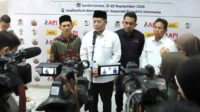
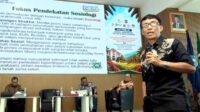
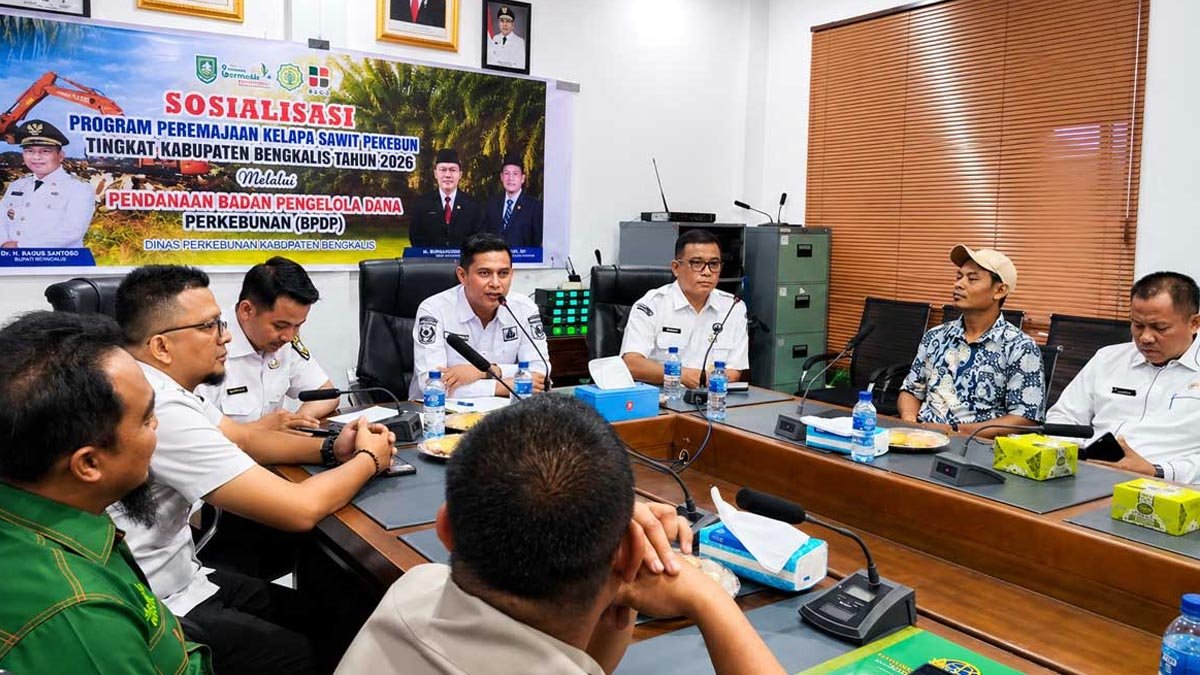
The commitment was marked by a district-level socialization program on Smallholder Palm Oil Replanting (PKSP), organized by the Bengkalis Plantation Agency at the Mandau Subdistrict Office on Wednesday. The event was attended by oil palm farmers from Mandau, Pinggir, and Bathin Solapan, which are among the main smallholder palm oil production areas in Bengkalis.
The program featured speakers from the Riau Provincial Plantation Agency, the Bengkalis Land Agency (Badan Pertanahan Nasional/BPN), and the Sawitku Masa Depanku Association (SAMADE) of Bengkalis. Their participation aimed to provide farmers with a comprehensive understanding of technical cultivation practices, land legality issues, and financing support schemes related to the replanting program.
Also Read: National Defense Council Stresses Palm Oil Productivity as Key to B50 Success
Head of the Bengkalis Plantation Agency, Sufandi, represented by Head of Production Division Adi Zulhami, stressed that the plantation sector remains one of the main pillars of the regional economy, particularly in creating jobs and improving rural livelihoods.
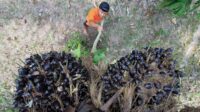
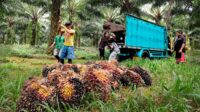
According to Adi, oil palm continues to be a leading commodity in Bengkalis Regency. However, smallholder plantations still face longstanding challenges, including the use of low-quality seeds, aging trees that have passed their productive period, and limited farmer knowledge regarding good and sustainable agricultural practices.
“Oil palm plantations are a strategic commodity that contribute significantly to the regional economy. However, productivity remains relatively low due to the use of non-superior seeds, aging plantations, and limited farmer knowledge on best cultivation practices,” Adi Zulhami said, as quoted by Palmoilmagazine.com from the Bengkalis regional administration on Saturday (9/5/2026).
Also Read: KPBN CPO Prices Climb to IDR 15,325/kg, Malaysian Palm Oil Market Rebounds
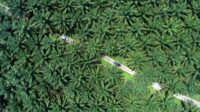
Preliminary 2025 data show that plantation areas in Bengkalis Regency cover around 375,000 hectares, with smallholder oil palm plantations dominating the sector. Approximately 87.75 percent of the total plantation area is independently managed by local farmers, highlighting the major role of smallholders in supporting the region’s palm oil industry.
Considering the significant contribution of smallholders, the Bengkalis Government has set a target of 300 hectares for the 2026 PSR program across several subdistricts. The program is supported by regulations from the Ministry of Agriculture and financing from the Plantation Fund Management Agency (BPDP).
Adi added that the success of the replanting initiative will depend not only on funding support, but also on strong collaboration among local governments, field extension officers, farmer institutions, and private sector partners.
Also Read: PTPN IV PalmCo and ITS Launch Five-Year Partnership to Develop Palm-Based Green Fuel
“Partnerships are crucial, particularly in providing quality seedlings, technical assistance, and market access. Therefore, all stakeholders are expected to actively support the success of this program,” he added.
Through this outreach program, the Bengkalis administration hopes more smallholders will recognize the benefits of PSR as an opportunity to improve plantation quality, increase fresh fruit bunch productivity, and strengthen farmers’ incomes sustainably.
The event was also attended by Mandau Subdistrict Secretary Rio Sentosa, plantation association representatives, agricultural extension officers, village heads, and hundreds of oil palm farmers from across Bengkalis Regency.
Also Read: CPOPC Strengthens Smallholder Skills Through Practical GAP Training Programs
With stronger collaboration among stakeholders, Bengkalis remains optimistic about becoming one of the successful models for smallholder palm oil replanting development in Riau Province. (P2)