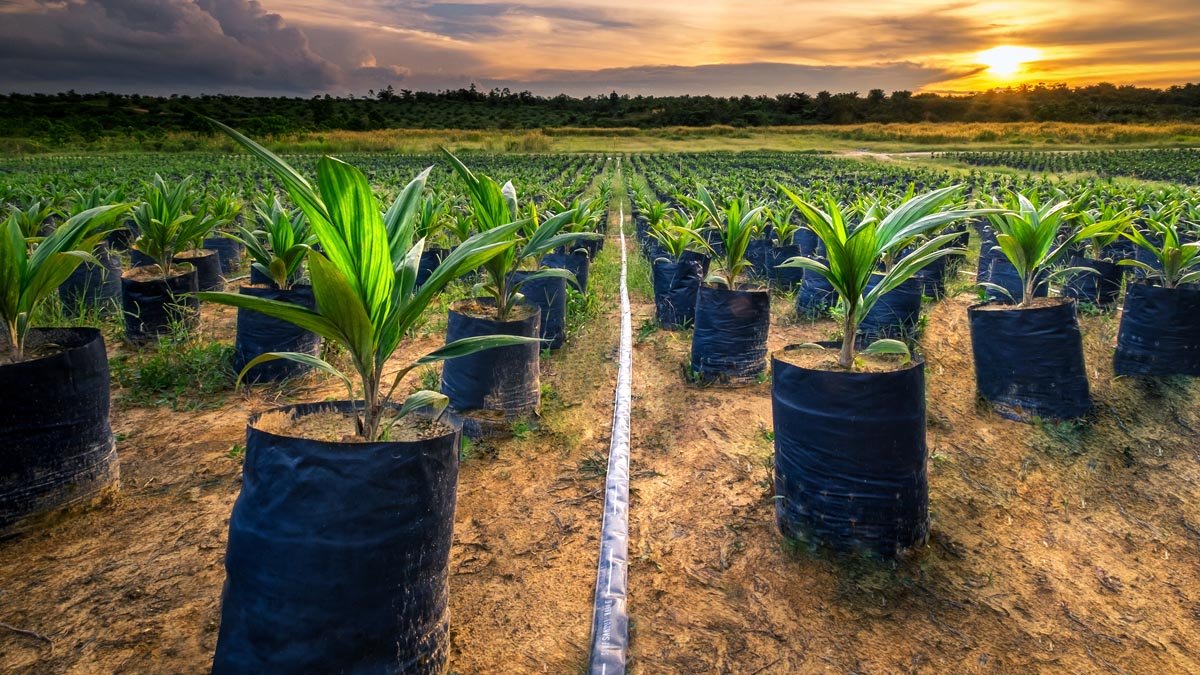
PALMOILMAGAZINE, JAKARTA — The Indonesian Oil Palm Research Institute (IOPRI) or Pusat Penelitian Kelapa Sawit (PPKS) has highlighted the importance of early identification and selection of abnormal oil palm seedlings to maintain plant quality from the nursery stage and support long-term plantation productivity.
In educational material reviewed by Palmoilmagazine.com on Tuesday (May 5, 2026), PPKS explained that abnormal oil palm seedlings can arise from two main factors: genetic abnormalities and improper nursery management practices. If left untreated from the beginning, such abnormalities could significantly reduce plantation productivity in the future.
From a genetic perspective, several abnormal characteristics that require attention include vivipary, where seeds germinate inside the fruit, sterility or inability to produce fruit, twisted or spiral leaf growth, and short rachis formation that causes stunted seedling development.
Meanwhile, nursery management factors were also identified as common causes of abnormality in the field. These include planting seedlings too deeply, using dense or unscreened planting media, insufficient or excessive watering, and the use of poor-quality water such as saline or contaminated water sources.
PPKS further noted that damaged nursery bags, acidic soil conditions, pest attacks, improper pesticide application, and overly dense planting arrangements may also trigger abnormal seedling growth.
The research institution stressed that even superior seeds can develop abnormally if nursery management is not handled properly. As a result, regular seedling selection is considered a critical process that should not be overlooked.
“Selection must be carried out routinely at the age of 3, 4, 8, and 12 months to ensure that only healthy seedlings proceed to the next stage,” PPKS stated in its educational guidance.
PPKS also recommended several corrective measures, including removing seedlings showing signs of stunted growth, curled or twisted leaves, improving planting media quality, optimizing drainage and irrigation systems, and ensuring the use of clean, uncontaminated water.
In addition, recording and documenting abnormal seedlings during each selection process is considered important for evaluation and continuous improvement of nursery management practices.
Through consistent early selection and proper nursery management, PPKS hopes oil palm plantations can achieve higher productivity levels while supporting sustainable development in the industry. (P2)