PALMOILMAGAZINE, SOUTH BENGKULU — Council of Palm Oil Producing Countries continues to reinforce its commitment to improving smallholder capacity through its Good Agricultural Practices (GAP) Training program, which was recently conducted in Bengkulu.
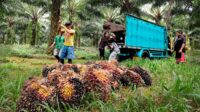
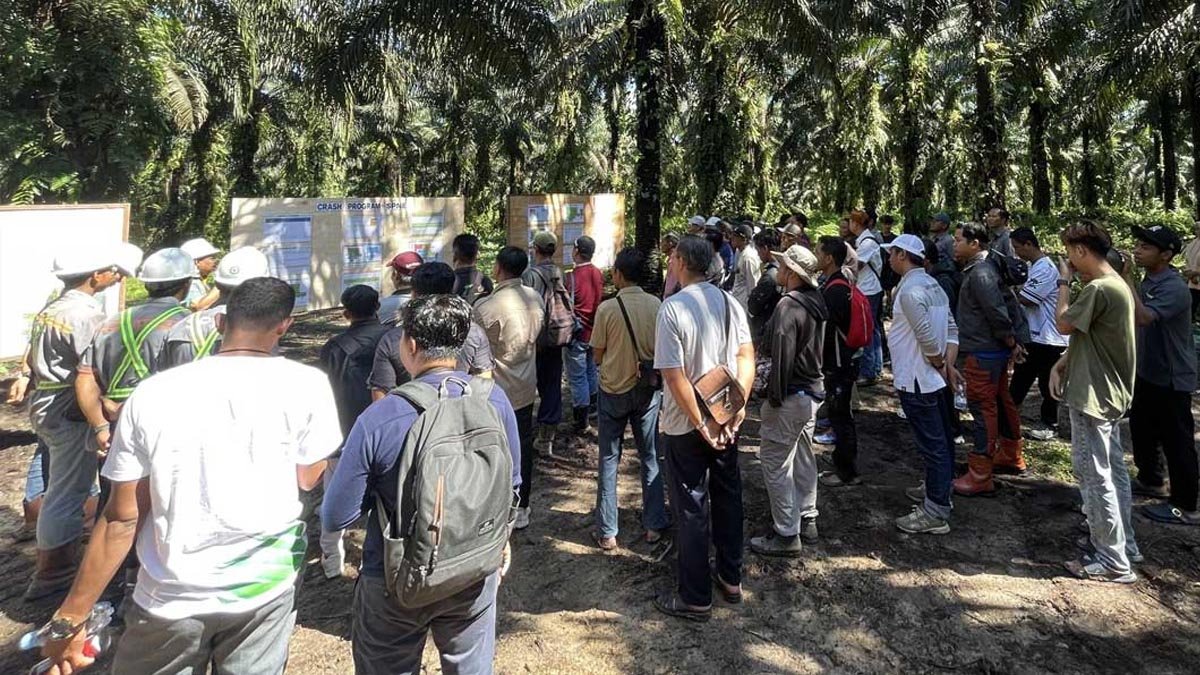
The training initiative combines classroom-based learning with direct field practice, enabling participants to gain practical technical knowledge aimed at improving plantation productivity, operational efficiency, and long-term sustainability.
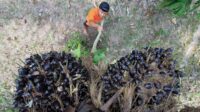
According to information obtained by Palmoilmagazine.com from CPOPC on Sunday (May 10, 2026), a hands-on training approach plays a crucial role in helping smallholders understand proper oil palm cultivation techniques based on GAP principles. The program covers targeted fertilization methods, plantation management, and optimal harvesting standards.
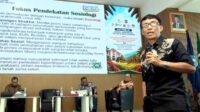
One of the training participants, Rian Susanto, said the program provided valuable new insights into the importance of professional plantation management practices for small-scale farmers.
“Through the CPOPC GAP training, we learned that even small-scale oil palm plantations can be managed professionally, from proper fertilization practices to harvesting at the right maturity level. This is important for improving income while maintaining plantation productivity,” Rian explained.
Another participant, Ocha Vitalalo, also highlighted the practical benefits of the program, particularly in helping farmers better understand sustainable cultivation methods that can be directly implemented on their own plantations.
Also Read: PTPN IV PalmCo and ITS Launch Five-Year Partnership to Develop Palm-Based Green Fuel
“This program is very useful because it helps farmers better understand proper oil palm cultivation techniques that can be directly applied in the field,” she said.
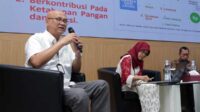
Meanwhile, Antonius Yudi Triantoro, Director of Sustainability and Smallholders at CPOPC, emphasized that the training forms part of the organization’s broader strategy to strengthen the capacity and competitiveness of smallholders across palm oil-producing countries.
“Through this activity, we hope farmers gain better knowledge of oil palm cultivation in line with Good Agricultural Practices principles, which can directly improve plantation productivity and their economic welfare,” Antonius stated.
Also Read: Riau Plasma FFB Prices Fall to IDR3,874.93/Kg for May 6–12, 2026
In addition to South Bengkulu, CPOPC also continued its GAP Training program in Kotawaringin Lama through collaboration with Bumitama Gunajaya Agro (BGA Group), Malaysian Palm Oil Board, and Riset Perkebunan Nusantara.
The two-day training program involved 50 smallholders and focused on several critical aspects of improving plantation productivity, including nursery and land preparation, pest and disease management, fertilization practices, pruning techniques, soil and water conservation, as well as plantation financial management.
Through these training activities, CPOPC reaffirmed its commitment to strengthening smallholder capabilities, increasing productivity, and supporting the development of a more resilient, inclusive, and sustainable palm oil industry across producing countries. (P2)