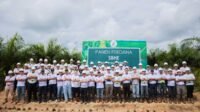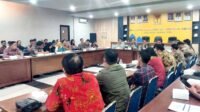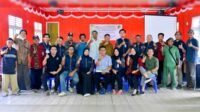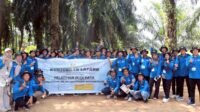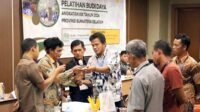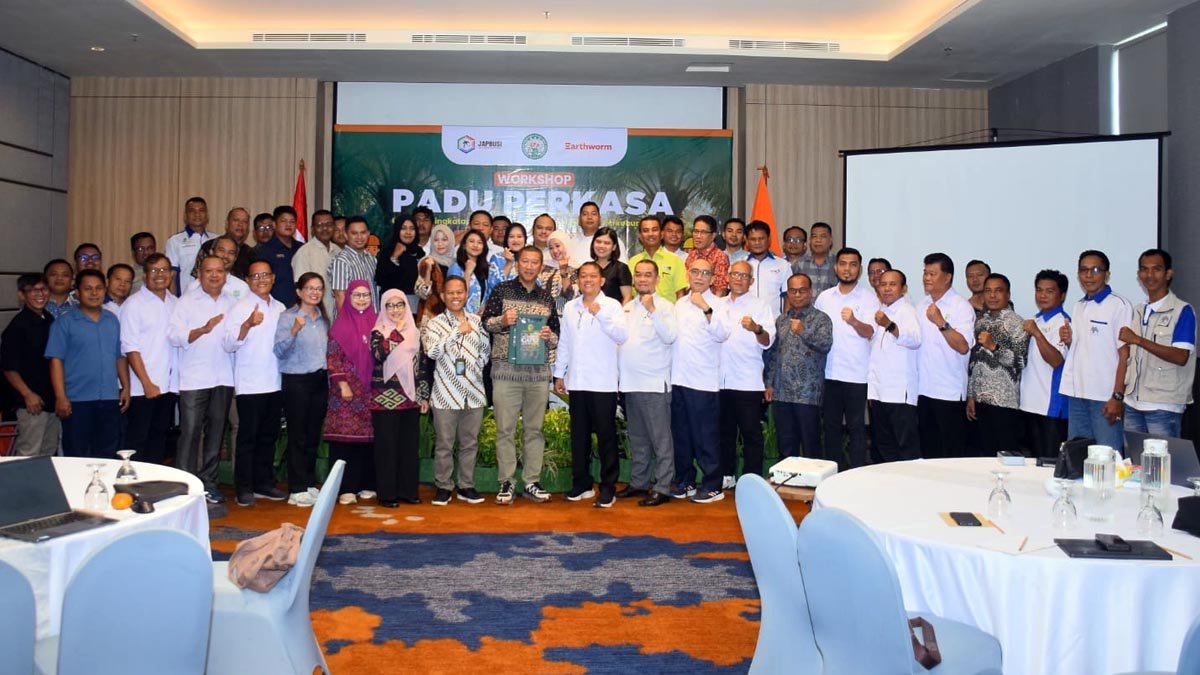
PALMOILMAGAZINE, BENGKULU — Gabungan Pengusaha Kelapa Sawit Indonesia (GAPKI) continues to strengthen labor protection and welfare in the palm oil plantation sector through the organization of the Padu Perkasa Workshop: Efforts to Improve the Welfare of Daily Workers in the Palm Oil Plantation Industry, held at Mercure Bengkulu on Thursday (May 7, 2026).
The event was attended by around 50 participants, consisting of representatives from GAPKI member companies as well as labor union representatives from the respective companies.
The workshop forms part of a broader effort to improve protection and welfare for workers employed under Daily Work Agreements (PKH) in the palm oil plantation sector through the dissemination of Padu Perkasa, or the General Guidelines for Sustainable Palm Oil Daily Work Agreements.
Also Read: GAPKI and the Government Strengthen National Preparedness to Mitigate Forest Fire Risks
The event was officially opened by the Head of the Bengkulu Provincial Manpower and Transmigration Office, represented by Head of Industrial Relations Division Ali Sadikin. In his remarks, he expressed appreciation and support for the workshop, describing it as a positive platform for dialogue between government, companies, and workers in strengthening sustainable labor implementation within the palm oil industry.
Ali also encouraged oil palm plantation companies in Bengkulu to join GAPKI membership in order to improve coordination and communication with the government, particularly in addressing labor-related issues and supporting the development of a sustainable palm oil industry.
Meanwhile, GAPKI Bengkulu Branch Secretary Hasan Slamet stated that the workshop represented an important step toward building a common understanding regarding the implementation of Daily Work Agreements in accordance with labor regulations and decent work principles.
Also Read: GAPKI Marks 45 Years, Reaffirms Strategic Role in Indonesia’s Palm Oil Industry
According to Hasan, successful implementation of the guidelines requires active collaboration among all stakeholders, including companies, workers, government institutions, and supporting organizations.
The workshop featured speakers from various institutions. Director of Labor Supervision System Development at Indonesia’s Ministry of Manpower, Yuli Adiratna, delivered a presentation on the application of Daily Work Agreements based on national labor regulations.
In her presentation, Yuli emphasized the importance of compliance with labor regulations to ensure workers’ rights are protected while also fostering harmonious and productive industrial relations.
Also Read: From Tanzania to Indonesia: A Joint Effort to Develop More Resilient Palm Oil
In addition, Earthworm Foundation presented material on the Padu Perkasa guidelines, followed by discussions involving labor union and company perspectives regarding challenges in implementing PKH systems in the field.
The workshop also included problem-identification sessions, group discussions, preparation of follow-up action plans, and the signing of a joint commitment as part of efforts to improve labor practices in the palm oil sector.
The Padu Perkasa guidelines themselves are the result of collaboration between GAPKI, Jejaring Serikat Pekerja Buruh Sawit Indonesia (JAPBUSI), Earthworm Foundation, and other stakeholders as a practical guide to improving working conditions for daily workers in the palm oil industry.
Also Read: Tanzania Ambassador Highlights Indonesia Partnership in Oil Palm Genetic Resource Development
Through the workshop, stakeholders hope to strengthen synergy between government, businesses, and labor unions in promoting fairer, more sustainable labor practices across Indonesia’s palm oil industry. (P3)