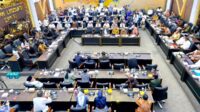
PALMOILMAGAZINE, SINGAPORE – The Council of Palm Oil Producing Countries emphasized the importance of building a more resilient, inclusive, and sustainability-based ASEAN commodity trade model during the 13th Singapore Dialogue on Sustainable World Resources (SWR) held in Singapore.
According to information published through CPOPC’s official social media channels and cited by Palmoilmagazine.com on Tuesday (12/5/2026), this year’s forum carried the theme “Resilient Commodities: Innovation and New Markets,” focusing on strategies to strengthen commodity sectors amid evolving global market dynamics.
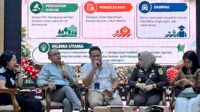
CPOPC Secretary General Izzana Salleh participated as a speaker in Panel 1 titled “New Markets for ASEAN Commodities.” The discussion explored how ASEAN exporters can adapt to global market shifts through market diversification, stronger South-South trade cooperation, increased domestic consumption, and greater downstream value creation.
Also Read: Indonesia Expands Urea Exports to Australia as Subsidized Fertilizer Prices Fall 20%
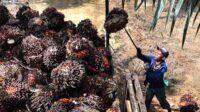
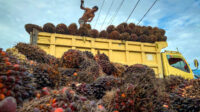
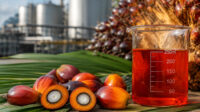
During the forum, CPOPC highlighted that palm oil remains a strategic commodity closely linked to international trade, food and energy security, downstream industrial development, and the implementation of sustainability regulations.
“The future of ASEAN commodities is not only about finding new buyers, but also about building a more resilient and inclusive trading model where sustainability remains fair, science-based, and supportive of smallholders,” Izzana stated.
CPOPC also stressed that sustainability implementation within the palm oil industry must be credible, practical, and inclusive to avoid creating excessive burdens for producing countries and smallholders, according to the organization’s official statement.
Also Read: Indonesia Allocates IDR5 Trillion to Develop 19 Palm Oil-Cattle Integration Clusters
The organization’s participation in the SWR forum further reinforced palm oil’s strategic role in ASEAN discussions on sustainable trade and the development of more resilient commodity sectors amid ongoing global economic challenges. (P2)