PALMOILMAGAZINE, CIKAMPEK — The Indonesian government has taken a major step toward strengthening national fertilizer self-sufficiency by commencing construction of the country’s first NPK Nitrate fertilizer plant. The facility is designed to reduce dependence on imports while lowering agricultural production costs, supporting Indonesia’s broader food security agenda.
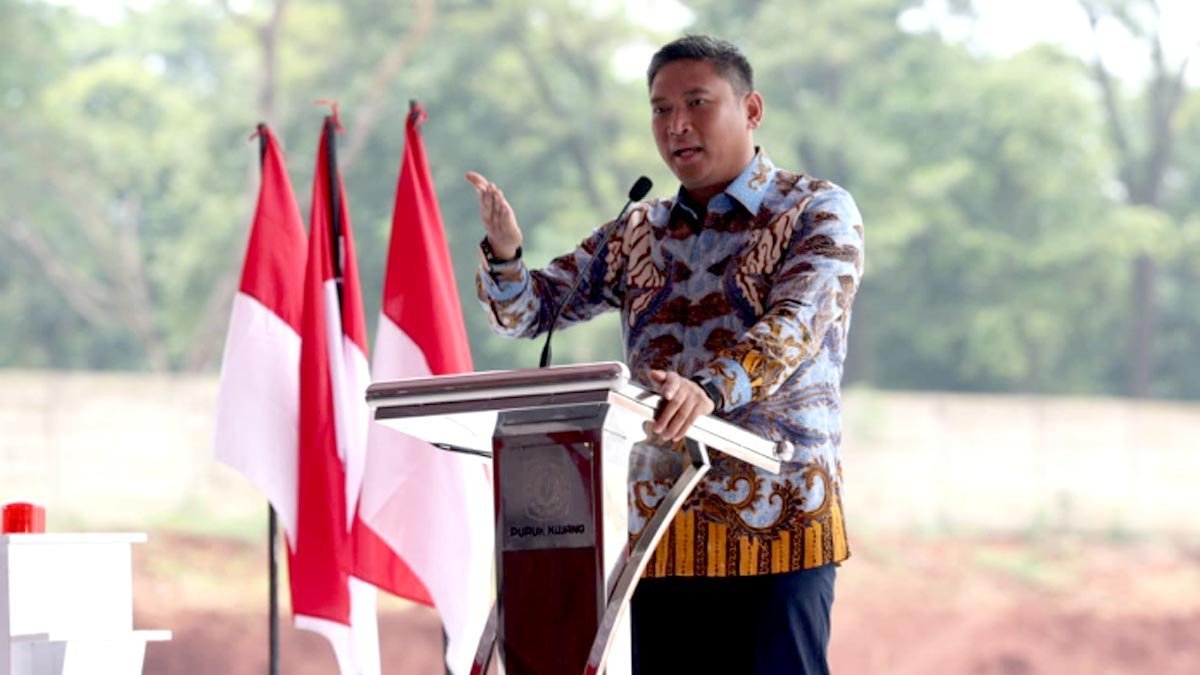
Deputy Minister of Agriculture Sudaryono, widely known as Mas Dar, said the plant—designed with a capacity of 100,000 tons per year—is targeted to begin operations in 2027. The new facility will replace aging infrastructure that is no longer considered efficient.
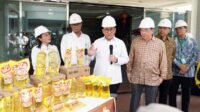
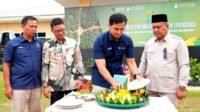
“We are replacing an old plant that has become inefficient. The goal is to increase productivity, reduce production costs, and substitute fertilizer imports,” Sudaryono said after attending the groundbreaking ceremony of the NPK Nitrate plant at PT Pupuk Kujang in Cikampek, West Java, on Monday (23/12/2025). The event was also attended by West Java Governor Dedi Mulyadi, President Director of Pupuk Indonesia Rahmad Pribadi, and other officials.
Also Read:
Sudaryono emphasized that the NPK Nitrate plant is part of the government’s plan to build seven new fertilizer plants by 2029, in line with President Prabowo Subianto’s vision that places food and agriculture at the core of national development priorities.
“This is part of the seven plants to be built through 2029. Expanding capacity is essential to support the President’s vision, which prioritizes food and agriculture, ensuring fertilizer supply aligns with government programs,” he said, as quoted by Palmoilmagazine.com from the Ministry of Agriculture.
Beyond capacity expansion, the government is also reforming fertilizer governance, including simplifying distribution and adjusting pricing policies. One key measure is the 20% discount on subsidized fertilizer prices, a policy decided directly by the President.
“Pupuk Indonesia has delivered solid performance. Fertilizer availability is secure, distribution has been streamlined to ensure eligible farmers face no obstacles, and subsidized fertilizer prices have been reduced by 20%. Going forward, new plants and added capacity will further improve efficiency,” Sudaryono added.
Also Read: Indonesian Government Cuts Subsidized Fertilizer Prices by 20%, Marking a New Era for Farmers
Meanwhile, Pupuk Indonesia President Director Rahmad Pribadi noted that Indonesia still imports around 450,000 tons of NPK Nitrate annually, making the new plant a critical milestone for the national fertilizer industry.
“What we are building today marks a new historical foundation for Indonesia’s fertilizer and agricultural industry. For years, we have relied on imports of 450,000 tons of NPK Nitrate. With a capacity of 100,000 tons per year at Pupuk Kujang, we are gradually strengthening domestic production so national demand can increasingly be met by Pupuk Indonesia Group,” he said.
Rahmad added that with an investment value of around IDR 550–600 billion, the plant is not only aimed at import substitution but also at lowering NPK Nitrate prices to make them more affordable for farmers. This is expected to reduce farming costs and enhance the competitiveness of Indonesia’s agricultural products.
West Java Governor Dedi Mulyadi also highlighted the importance of ensuring fertilizer availability at affordable prices to maintain agricultural productivity while safeguarding environmental sustainability. He further encouraged the development of organic fertilizers as part of a more sustainable farming system.
“Hopefully, Pupuk Indonesia will continue producing fertilizers that boost productivity while restoring soil nutrients and microorganisms. Going forward, the use of organic fertilizers must also be expanded as a key element in building a sustainable agricultural ecosystem,” he concluded. (P3)