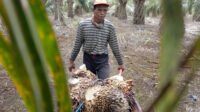
SPKS urged the government to thoroughly examine the national biodiesel industry, including its technological usage and BPDPKS fund allocations, which currently allocate 90% for subsidies. Transparency and traceability of raw materials sourced from farmers must be prioritized to reassess biodiesel production costs. “Incorporating FFB from farmers as raw material for biodiesel will reduce government subsidies, eliminating the need to raise PE tariffs,” Sabarudin explained.
SPKS highlighted flaws in BPDPKS management, as reported by the Audit Board of Indonesia (BPK) in its 2024 Semester I Report. The report identified 33 findings, 90 issues, and financial discrepancies amounting to IDR 14.6 billion. BPDPKS’ use of 90% of its funds for biodiesel subsidies was deemed excessive by government standards.
SPKS called on stakeholders, particularly the Ministry of Finance, to address these issues. The BPK report recommended 145 corrective actions, including adjustments to biodiesel incentives aligned with government regulations.
As the government moves forward, SPKS stresses the need for policies that prioritize the welfare of farmers while ensuring sustainable and equitable growth in the palm oil sector. (T2)