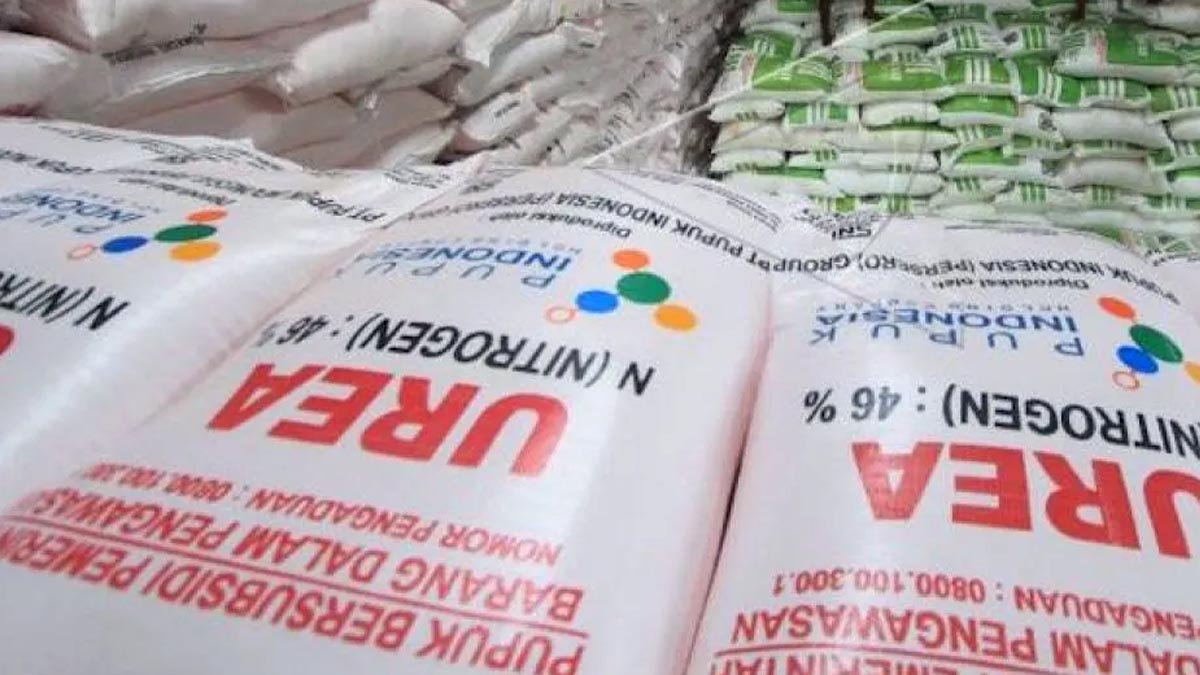
PALMOILMAGAZINE, JAKARTA — The Indonesian government has made history with a major policy breakthrough: for the first time ever, the maximum retail price (HET) for subsidized fertilizers has been officially reduced by up to 20 percent, effective October 22, 2025. While this move is expected to ease the burden on millions of farmers, smallholder oil palm growers are not among the beneficiaries, as oil palm remains excluded from the list of eligible subsidized commodities.
The policy adjustment is stipulated under the Minister of Agriculture Decree No. 1117/Kpts/SR.310/M/10/2025, which amends the previous decree regarding the types, HET, and allocation of subsidized fertilizers for fiscal year 2025.
Price Reductions Without Increasing State Subsidy
The price cut was achieved without increasing the state subsidy budget (APBN). Instead, the government relied on industrial efficiency and improved national distribution management. The revised prices apply across all subsidized fertilizer types, including:
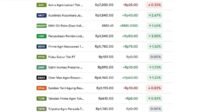
- Urea: from IDR2,250/kg to IDR1,800/kg
- NPK: from IDR2,300/kg to IDR1,840/kg
- NPK Cocoa: from IDR3,300/kg to IDR2,640/kg
- ZA (for sugarcane): from IDR1,700/kg to IDR1,360/kg
- Organic fertilizer: from IDR800/kg to IDR640/kg
According to the Ministry of Agriculture, the policy will benefit more than 155 million people, including farmers and their families nationwide.
Also Read:
Presidential Directive and Ministry’s Quick Action
Minister of Agriculture Andi Amran Sulaiman said the initiative is a direct follow-up to President Prabowo Subianto’s directive to ensure that fertilizer remains affordable and readily available to farmers.
“This is a major breakthrough from the President. Fertilizer must reach farmers at a fair price—without delay, without leakage,” Amran stated in Jakarta.
The Ministry, together with PT Pupuk Indonesia Holding Company (PIHC), is currently implementing a comprehensive overhaul of the fertilizer distribution system, including direct delivery from factories to farmers, simplified distribution channels, and stricter oversight from production to retail.
“Fertilizer is the lifeblood of agriculture. Without it, food production cannot grow. This reform ensures that farmers will no longer struggle to obtain fertilizer,” he added.
Also Read:
Through better governance, the ministry reports that the system improvements have saved Rp10 trillion, reduced production costs by 26 percent, and increased PIHC’s profits by Rp2.5 trillion projected for 2026. The government also plans to gradually increase subsidized fertilizer volume by 700,000 tons through 2029.
As part of the long-term plan, seven new fertilizer plants are being constructed, with five expected to start operations before 2029. These new facilities aim to reduce production costs and dependency on imported raw materials.
“This policy is not only about price reduction—it’s about the state standing with farmers. The President has emphasized that the government must be present in the fields, on the farms, and in the plantations,” Amran stressed.
Oil Palm Farmers Not Yet Eligible for Subsidy
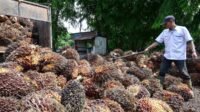
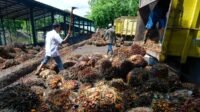
Despite the positive development, oil palm farmers remain excluded from the subsidized fertilizer scheme. Under current regulations, the Ministry of Agriculture strictly prohibits the use of subsidized fertilizers for oil palm cultivation by both farmers and distributors.
Oil palm growers must continue to rely on non-subsidized fertilizers, as stipulated in the Minister of Agriculture Regulation No. 10/2022 concerning the allocation and HET of subsidized fertilizers. Article 3 of the regulation specifies that subsidized fertilizer is limited to smallholder sugarcane, cocoa, and coffee plantations.
Also Read: Agriculture Ministry Targets Crackdown on Illegal Palm Seeds Used by 70% of Farmers
Eligible farmers must also be registered in the SIMLUHTAN (Agricultural Extension Management Information System) and belong to officially recognized farmer groups.
For Indonesia’s millions of independent smallholder oil palm farmers, this remains a disappointing development. Oil palm cultivation depends heavily on consistent fertilization to sustain yields and maintain productivity. With the high price of non-subsidized fertilizers, many smallholders may be forced to reduce or delay fertilization, potentially leading to lower harvests in the coming seasons. (P2)