PALMOILMAGAZINE, JAKARTA – The Indonesian government has urged the European Union (EU) to immediately comply with the World Trade Organization (WTO) dispute panel ruling related to the palm oil case (DS593: EU–Palm Oil), following the end of the 12-month reasonable period of time (RPT) for implementation on February 24, 2026.
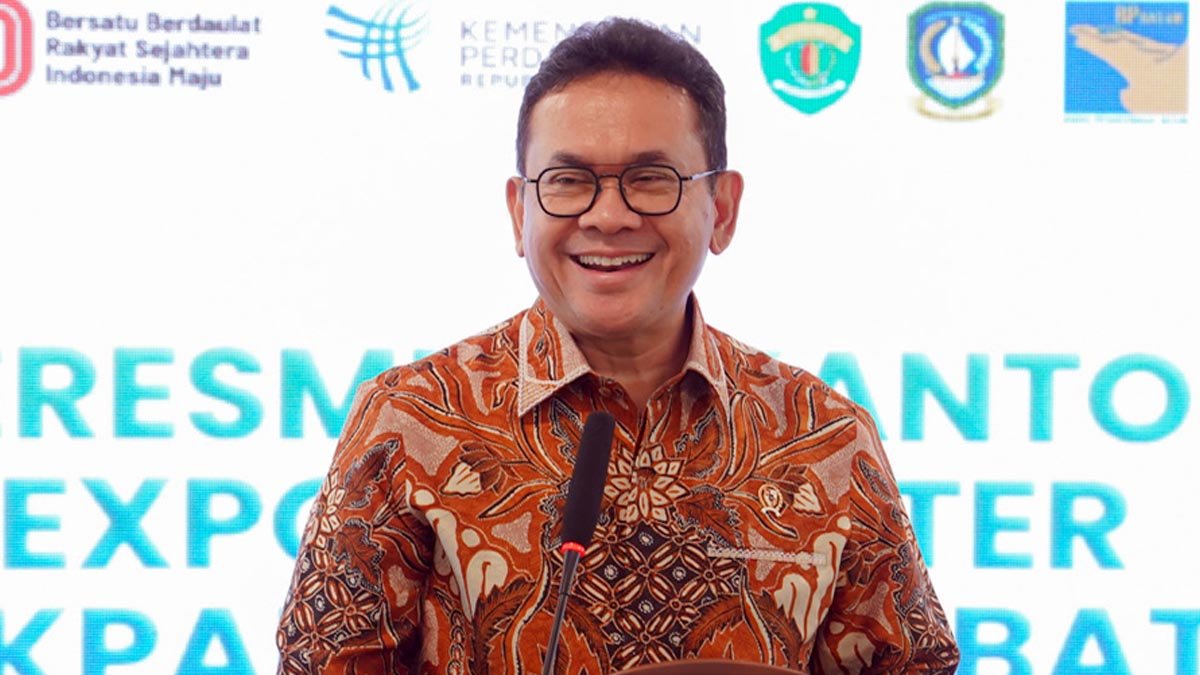
Indonesia’s Minister of Trade, Budi Santoso, said the government will continue to monitor and evaluate policy adjustments made by the EU, particularly those related to the Indirect Land Use Change (ILUC) policy under Directive (EU) 2018/2001, also known as the Renewable Energy Directive II (RED II), including its implementing regulations.
“We urge the EU to comply with the WTO panel ruling so that market access for Indonesian palm oil products to the European Union can be fully restored,” said the Minister of Trade, in an official statement quoted by Palmoilmagazine.com.
During the implementation period of the WTO ruling, Indonesia closely monitored several policy adjustments undertaken by the EU. With the implementation period now concluded, the government will conduct a comprehensive assessment covering regulatory aspects, methodologies, and trade impacts to ensure the EU has fully addressed the WTO ruling by removing discriminatory treatment against Indonesian palm oil products.
The WTO panel decision issued on January 10, 2025, concluded that EU policies had discriminated against Indonesian palm oil-based biofuels compared with non-palm biofuels produced within the EU and other countries. The ruling stated that such policies were inconsistent with the WTO’s fundamental principle of non-discrimination within the multilateral trading system.
Preparing Further Measures
During the regular meeting of the WTO Dispute Settlement Body (DSB) on January 27, 2026, the EU was reported to have not yet completed policy adjustments required to comply with the WTO decision.
In response, the Indonesian government is preparing several follow-up options and remains open to dialogue with the EU to ensure readiness from both legal and technical perspectives.
Indonesia will also coordinate closely with relevant stakeholders, including industry players and associations, to ensure effective dispute management and provide business certainty for the national palm oil industry, including smallholder farmers.
While Indonesia supports global sustainability and energy transition agendas, the government stressed that sustainability policies should not be used as a basis for measures that contradict the fundamental non-discrimination principles of international trade. (P2)