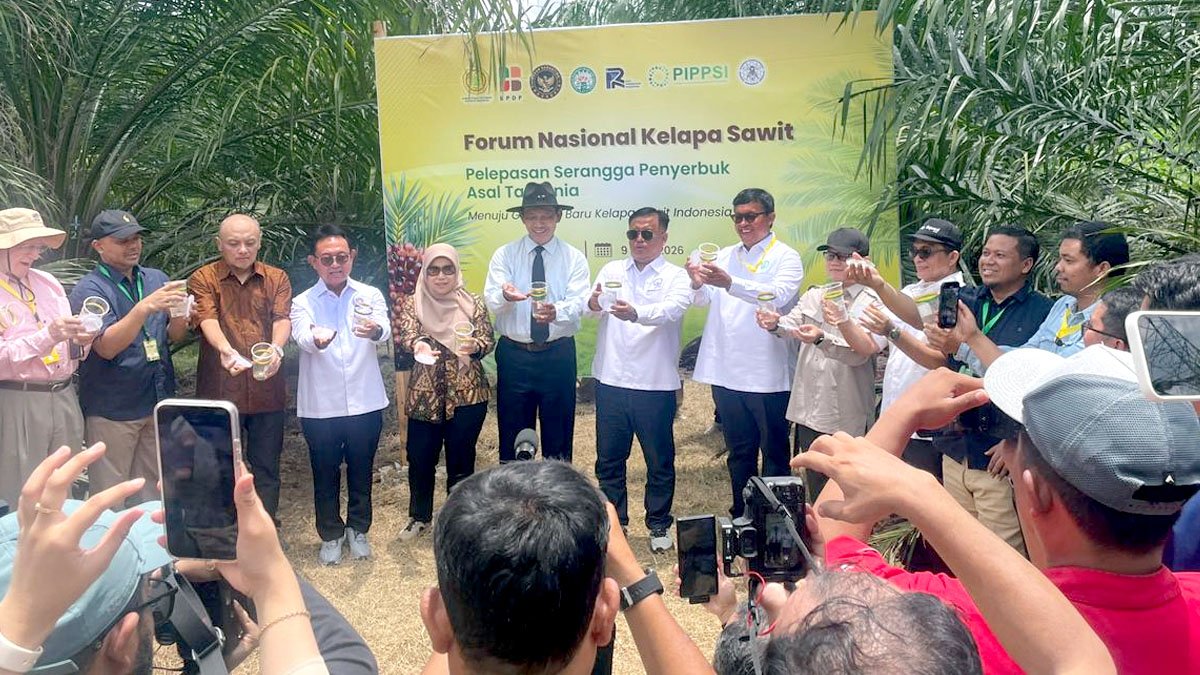
PALMOILMAGAZINE, SIMALUNGUN – More than four decades ago, a small breakthrough in entomology reshaped Indonesia’s palm oil industry. In 1982, the introduction of pollinating insects became a turning point that significantly boosted plantation productivity.
Today, that history enters a new chapter. At the Indonesian Oil Palm Research Institute (PPKS) Marihat Unit, three new pollinator species from Tanzania—Elaeidobius subvittatus, Elaeidobius kamerunicus, and Elaeidobius plagiatus—have been officially introduced.
Despite their small size, pollinating insects play a crucial role in fruit formation, which directly determines palm oil yield. Their presence is essential to ensuring efficient natural pollination across plantations.
Also Read: Indonesia Maintains Trade Surplus Momentum, Palm Oil Exports Show Strong Resilience
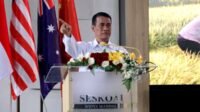
Indonesia’s Minister of Agriculture, Andi Amran Sulaiman, described the initiative as a continuation of the industry’s long innovation journey. In remarks delivered by the Ministry’s Director of Seed Development, Ebi Rulianti, he emphasized that even small innovations can create significant impact.
“For years, the palm oil sector has been viewed mainly in terms of land area and production volume. However, behind it lies a critical biological process—natural pollination by insects,” Ebi noted.
She added that the introduction of these pollinators represents a strategic step toward sustaining Indonesia’s palm oil industry. Beyond improving yields, the insects are expected to reduce cultivation costs, particularly in pollination activities, thereby enhancing efficiency at the plantation level.
Also Read: KPBN CPO Tenders Withdraw Again on Thursday (April 9), Malaysian Market Edges Higher
“This marks a strategic milestone in ensuring the sustainability of Indonesia’s palm oil industry. These insects have strong potential to lower production costs while improving productivity,” she said during the release event in Simalungun, which was part of the 45th anniversary celebration of the Indonesian Palm Oil Association (GAPKI).
The initiative involves multiple stakeholders, including the Ministry of Agriculture, the Indonesian Palm Oil Association, the Plantation Fund Management Agency (BPDP), the Indonesian Quarantine Agency, PT Riset Perkebunan Nusantara, the Indonesian Oil Palm Farmers Association (APKASINDO), and a consortium of GAPKI member companies.
Ebi stressed that the entire process—from exploration in the country of origin to comprehensive testing—has followed strict scientific protocols and regulatory standards.
Also Read: From Palm Oil Waste to Energy: The Problem Isn’t Technology, but the Business Model
“All stages, including biological agent assessments and inter-agency evaluations, have demonstrated that these introduced species are safe. This is a science-based, measured policy that upholds the precautionary principle,” she explained.
Meanwhile, GAPKI Chairman Eddy Martono highlighted the initiative as a symbol of continuous innovation in the palm oil sector.
“This is not just about insects—it is about safeguarding the future of Indonesia’s palm oil industry,” he said.
Also Read: B50 Ambitions Face Supply Risks Without Upstream Palm Oil Reforms
The three pollinator species have undergone extensive scientific trials and have been declared safe for wider application. They are expected to strengthen pollination systems while enhancing the resilience of plantation ecosystems.
According to Eddy, the release of these insects is more than a ceremonial event—it serves as a reminder that the future of Indonesia’s palm oil industry depends on the ability to integrate science, experience, and collaboration.
From Tanzania to Simalungun, this small step carries a big ambition: to cultivate a new generation of Indonesian oil palm that is more productive, adaptive, and sustainable. (P3)