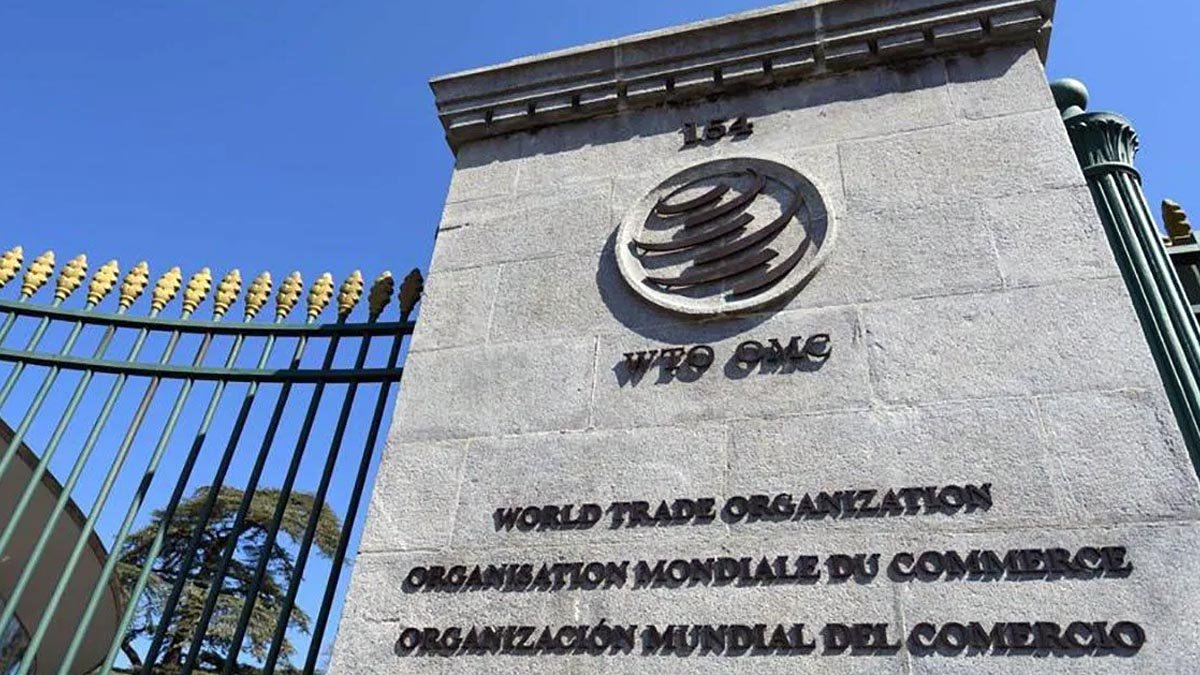
PALMOILMAGAZINE, JAKARTA – The Indonesian government is moving forward with legal measures in its palm oil trade dispute with the European Union (EU) at the World Trade Organization (WTO). Jakarta plans to submit a request for authorization to suspend concessions or other obligations toward the EU to the WTO’s Dispute Settlement Body (DSB).
The move comes after the EU failed to meet the deadline to adjust its policies or fully comply with the ruling and recommendations issued by the WTO Panel in the palm oil dispute case (DS593: EU–Palm Oil).
Indonesian Trade Minister Budi Santoso stated that the proposed suspension of concessions will primarily target the goods sector, although other sectors could also be considered if necessary.
Also Read: Indonesia Presses EU to Honor WTO Decision on Palm Oil Trade Dispute
“The suspension of concessions will focus on the goods sector, but it remains open to other sectors. We will ensure that the calculation of losses is conducted carefully and that the case is handled effectively, while maintaining our bilateral relations with the European Union,” said Minister Budi, as quoted by Palmoilmagazine.com from the official website of the Ministry of Trade, Sunday, March 8, 2026.
He explained that the step is in line with Article 22.2 of the Understanding on Rules and Procedures Governing the Settlement of Disputes (DSU) of the WTO. The provision allows a complaining member to seek authorization to suspend concessions if the responding party fails to implement the panel ruling within the agreed timeframe.
According to Budi, the EU has not only failed to adjust its palm oil-related policies as required by the panel decision but has also not provided equivalent compensation to Indonesia for the resulting trade impact.
Also Read: Indonesia Sets March 2026 CPO Reference Price at USD 938.87/MT, Export Duties Adjusted
“The action taken by Indonesia is consistent with the dispute settlement mechanism agreed under WTO rules. Requesting authorization to suspend concessions is aimed at safeguarding Indonesia’s rights in the future should the EU continue to disregard the WTO panel ruling,” he explained.
The Indonesian government has coordinated closely with various ministries and institutions in handling the case and has received strong support from stakeholders in the domestic palm oil industry.
Industry groups such as the Indonesian Palm Oil Association (GAPKI) and the Indonesian Biofuel Producers Association (APROBI) have backed the government’s stance, arguing that EU policies have significantly affected Indonesia’s palm oil export potential.
APROBI Vice Chairman Catra De Thouars said the economic losses borne by businesses due to restricted market access are substantial each year.
“The calculated losses are significant for industry players due to the loss of export value potential. We highly appreciate the government’s efforts and support further legal action to ensure business certainty for Indonesia’s palm oil industry,” Catra said.
The government hopes the move will encourage the EU to comply with the WTO ruling while safeguarding Indonesia’s trade interests in the global market. (P3)