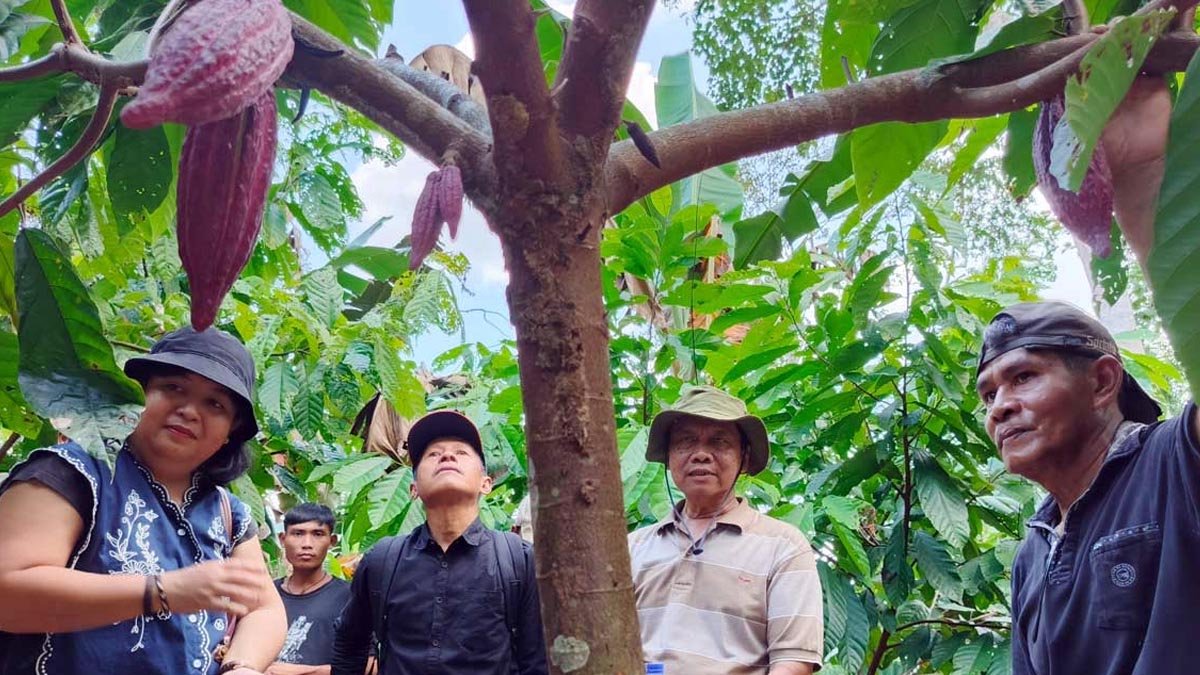
PALMOILMAGAZINE, JAKARTA — Indonesia’s Social Forestry Program continues to play a vital role in promoting sustainable, community-based forest management. In West Kalimantan, this spirit has come to life through the collaboration between the Village Forest Management Institution (LPHD) Sembelangaan and Bumitama Gunajaya Agro (BGA Group), which has successfully turned fire-prone areas into productive and green landscapes once again.
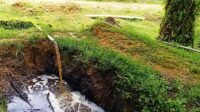
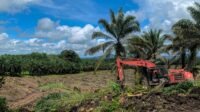
For years, parts of the Simpang Tiga Sembelangaan area were notorious for recurring forest fires. However, since 2021, the landscape has begun to change. Through its partnership with BGA, members of the Social Forestry Business Group (KUPS) Sumber Tani have carried out gradual land rehabilitation. Today, the area is free from fire and has started generating tangible economic benefits for local residents.
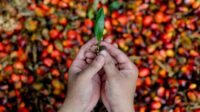
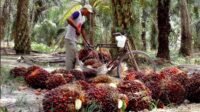
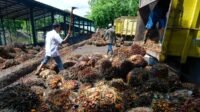
BGA’s support covers a wide range of initiatives—from providing seedlings and compost made from empty palm fruit bunches (EFB), to financing planting and maintenance activities, offering technical assistance, and developing infrastructure such as irrigation systems and bridge repairs. The program also includes regular monitoring and evaluation to ensure its long-term sustainability.
Also Read:
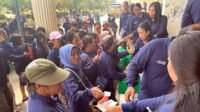
This initiative is part of BGA’s Bumitama Berdaya program, which emphasizes community empowerment as the driving force for environmental conservation. Through this collaborative approach, BGA aims to foster a sense of ownership and stewardship among local communities toward the land they manage.
According to Andi Amin, Head of Sustainability Governance Department at BGA, improving soil quality is a top priority in land restoration efforts.
“We apply non-chemical weed control and gradually use organic and inorganic fertilizers to restore soil health. Over the years, the soil pH has improved from 3–5 to around 6–7, which is ideal for plant growth,” he explained in an official statement received by Palmoilmagazine.com on Tuesday (October 21, 2025).
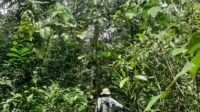
Today, on a 10-hectare plot, KUPS Sumber Tani cultivates various crops including oranges, cocoa, bananas, cashews, mangoes, longans, avocados, and petai (stink beans). Part of the land is also used for intercropping horticultural crops such as cucumbers, chilies, and watermelons. Of the 400 orange trees planted, some have already been harvested and sold independently by the farmers.
Meanwhile, another group under LPHD Sembelangaan—KUPS Sumber Joyo—has cultivated 7 hectares of cocoa with BGA’s support since 2021. This initiative forms part of a broader carbon emission reduction strategy through agroforestry, integrating cocoa with shade trees. KUPS Sumber Joyo is now collaborating with Kalara Borneo to develop the cocoa supply chain and is expected to start supplying raw materials by mid-2026.
In addition to cocoa, community members are also growing fruit crops such as mango, longan, and jengkol, as well as vegetables for local consumption. The agroforestry approach not only diversifies income sources but also provides an effective solution to prevent deforestation.
BGA continues to promote sustainable land management by supplying seedlings, supporting land preparation, fertilization, and road access improvements. These initiatives ensure that communities remain productive without compromising forest ecosystems.
The collaboration between LPHD Sembelangaan and BGA stands as proof that synergy between local communities and the private sector can drive meaningful change. Once-degraded land has now flourished into a living, productive landscape—where people can thrive while preserving nature.
From once barren soil now grows a renewed green hope. This initiative demonstrates that protecting forests means cultivating a more sustainable future for West Kalimantan—and for Indonesia as a whole. (P2)