PALMOILMAGAZINE, JAKARTA — PT Perkebunan Nusantara IV (PalmCo), a subholding of PTPN III (Persero), continues to demonstrate its long-term social commitment by providing educational facilities for children living around its operational areas. From early childhood education to senior high school level, PalmCo actively manages various educational institutions across its plantation sites in Indonesia.
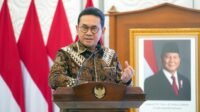
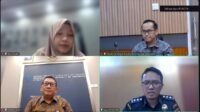
“PalmCo views social investment, particularly in children’s education, as a vital part of building a better future,” said Jatmiko Santosa, President Director of PTPN IV PalmCo, in Jakarta on Monday (July 28).
Jatmiko emphasized that human capital development must begin at an early age. For this reason, ensuring access to quality education has become a key focus for the company. He believes the future of the plantation industry relies not only on productivity but also on the capabilities of the younger generation growing up in plantation communities.
“The educational facilities we provide are not just supporting learning activities—they represent a longstanding part of PTPN’s social contribution,” he noted.
Currently, PalmCo operates a wide network of educational facilities throughout its plantations in Sumatra, Java, and Kalimantan. The company manages 121 kindergartens and early childhood education (PAUD) centers, serving more than 4,793 children.
“These schools serve as a vital bridge to education for children in remote areas who are otherwise far from urban centers,” Jatmiko added.
Beyond education, these plantation schools have also generated positive social and economic impacts for surrounding communities. In Dusun Hulu Estate, Simalungun Regency, North Sumatra, for example, the schools are operated with the involvement of local residents who work as support staff and honorary teachers.
“This is a tangible form of our commitment to ensure the schools benefit not only the children but also their families and the local economy,” said Muhammad Mustaqim Pane, Estate Manager of Dusun Hulu, Region I, PTPN IV.
Sugito, Head of Amboyo Inti Village, expressed appreciation for the company’s educational efforts. According to him, the presence of schools within the plantation estates significantly eases access to quality, affordable education for local communities.
“Parents feel reassured knowing their children are attending nearby schools with competent teachers at a reasonable cost. We hope these facilities continue to be maintained and supported,” he said.
Meanwhile, Hilda Putri Amallia, a teacher at TK Dewi Sri in Simalungun, shared that teaching in plantation areas comes with unique challenges, especially during the rainy season when access becomes difficult. However, she said the natural setting and strong community ties create a warm and engaging learning environment.
“Children here grow up with strong discipline, away from the noise of the city. We, the teachers, feel like part of one big plantation family,” she shared.
PalmCo’s efforts to provide educational facilities reflect how corporations can take on a strategic role in improving the quality of life for surrounding communities—fostering inclusive and sustainable growth. (P3)
Source: Antara