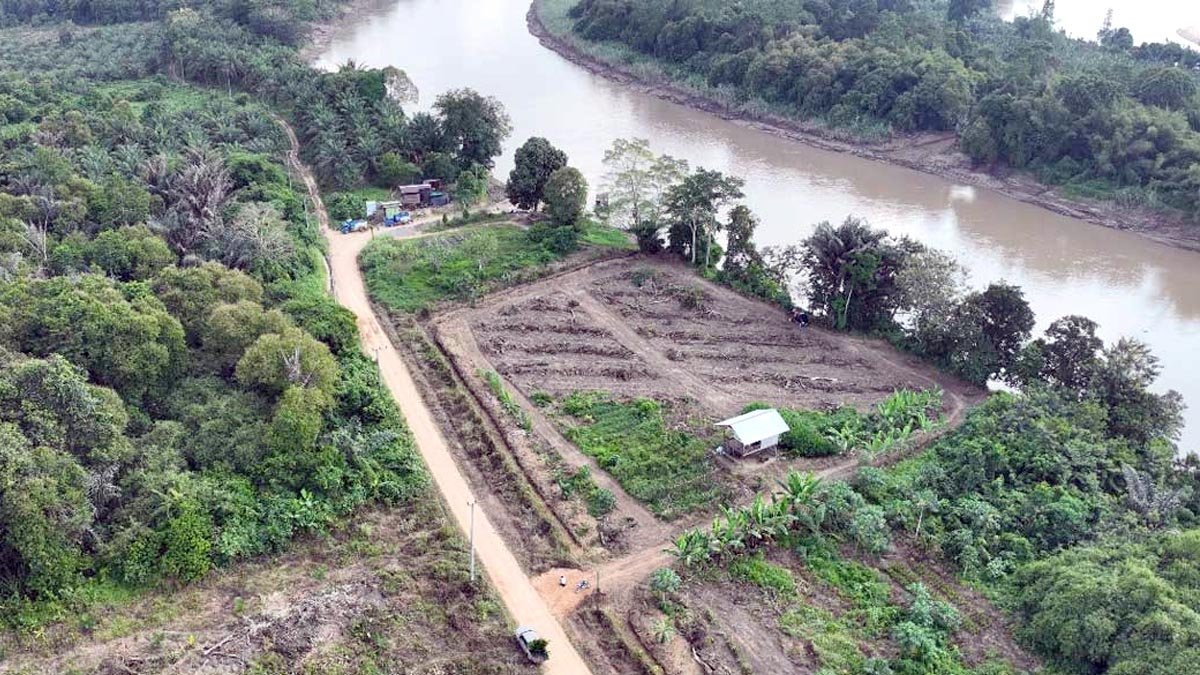
PALMOILMAGAZINE, KUTAI KARTANEGARA – The Belayan Sejahtera Plantation Cooperative in Muai Village, Kutai Kartanegara, East Kalimantan, has taken an unconventional approach to addressing environmental compensation requirements for oil palm land identified in the Land Use Change Analysis (LUCA) document. Instead of simply paying fines for past land use, the cooperative has transformed the obligation into an investment that cultivates a sustainable future.
Cooperative Chairman Jamaluddin said the 407.07 hectares that must be compensated are not seen as a burden, but as an opportunity to restore the environment and build a sustainable ecosystem. “We’re not paying for the past; we’re planting for the future,” Jamaluddin stated in an official release received by Palmoilmagazine.com on Saturday (Aug 9, 2025).
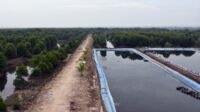
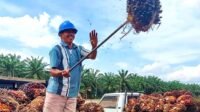
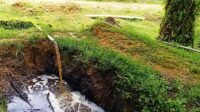
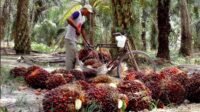
From this perspective, the cooperative decided to support the Muai Village Organic Farmers Group, which consists of 28 members. Since its inception, the group has managed its farms organically and utilized palm oil waste—long before receiving any incentives. With the cooperative’s support, they built an organic fertilizer production facility on a 5,600-square-meter plot, creating the Muai Organic Village Park—a space that combines environmental education, healthy food production, water conservation, and green public areas for residents.
Also Read: Enhancing Human Resource Capacity: Palm Oil Plantation Mapping Training in Aceh Engages 89 Farmers
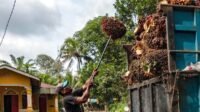
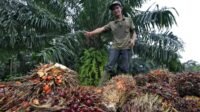
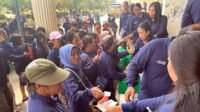
The initiative includes a production house, community gardens, field schools, and workshops on processing agricultural waste into organic fertilizer, biochar, and palm peat. The cooperative also engages the village government, indigenous communities, and nearby palm oil companies to supply waste materials, share knowledge, and promote a circular economy.
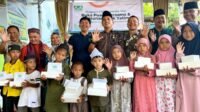
This effort was fueled by incentives from selling RSPO Independent Smallholder Certified Sustainable Palm Kernel Oil (IS-CSPKO) credits in 2025. All credits produced by the cooperative were sold to Nestlé, generating IDR 1.83 billion.
A portion of this incentive was proportionally allocated for environmental compensation, calculated based on the land area recorded in the LUCA. The formula resulted in IDR 56.17 million, which was redirected into building recovery facilities and programs—rather than simply paying fines.
The funds were used to establish a learning center, an organic fertilizer production house, a community garden, and a village park. These facilities are intended to become a living legacy, delivering long-term social, economic, and ecological benefits for future generations.
“We want to prove that independent farmers, when given space and trust, can become pioneers of transformation. For us, sustainability is not about who pays the most, but who acts with the most sincerity,” Jamaluddin emphasized.
The Belayan Sejahtera Plantation Cooperative’s initiative sets a precedent that RSPO incentives can deliver more than economic value—they can serve as a foundation for tangible social and environmental transformation at the village level. (P2)