
PALMOILMAGAZINE, JAMBI – Sustainable palm oil certification was once widely viewed as a heavy burden for independent smallholders. Meeting the required standards can be complex, involving improvements in farming practices, stronger institutional governance, and firm commitments to environmental protection.
Over time, however, perceptions have begun to shift. Certification is increasingly seen as a gateway to better plantation management, broader market access, and potential economic incentives. One such pathway is the Roundtable on Sustainable Palm Oil (RSPO) certification scheme, which allows smallholders to generate additional income through the sale of sustainability credits.
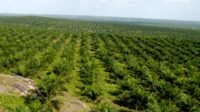
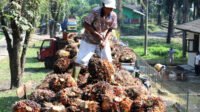
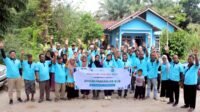
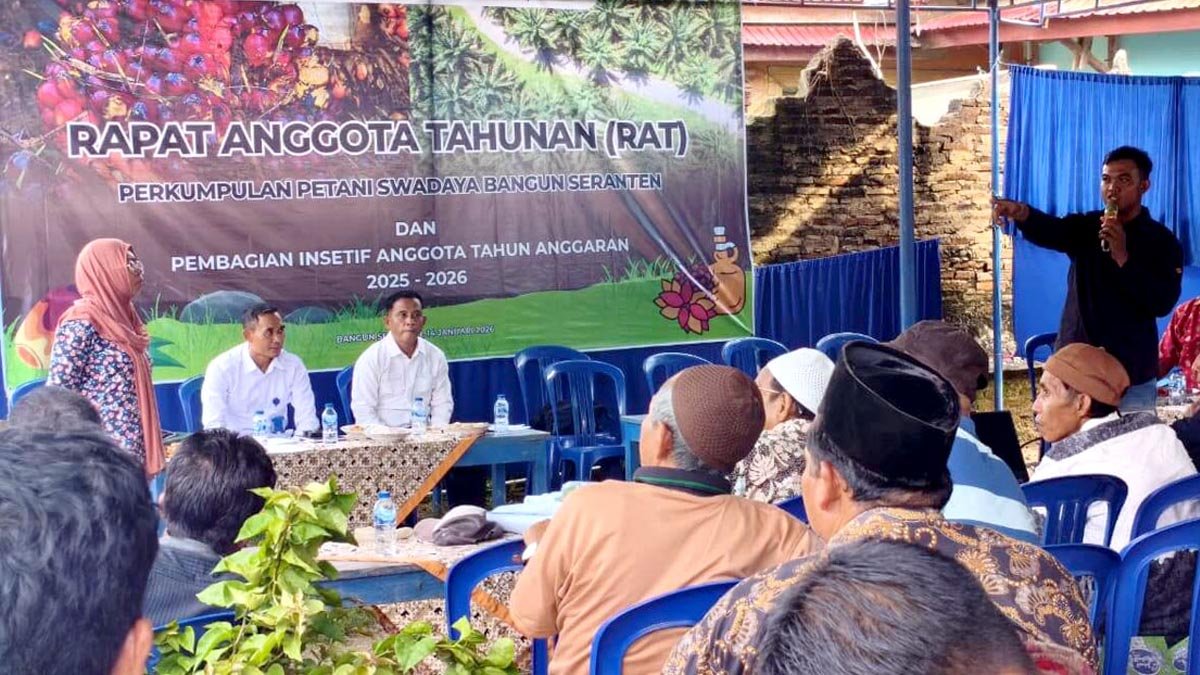
Motivated by this opportunity, the Bangun Seranten Independent Smallholders Association (PPSBS) in Tebo Regency, Jambi Province, made a bold decision. With 212 members managing a combined plantation area of 401 hectares, the group chose to proceed with the RSPO certification audit despite limited financial resources.
Also Read: Riau Independent Palm Oil FFB Prices Increase for March 4–10, 2026 Period
Their approach was far from conventional. PPSBS secured loans from two farmer organizations that had already obtained RSPO certification: the Tanjung Sehati Lestari Producer Cooperative (KPTSL) in Merangin and the Berkah Mandah Lestari Farmers Association (APBML) in West Tanjung Jabung.
“We observed that farmer groups with RSPO certification often receive training, actively participate in community activities such as river clean-ups, and even share assistance with underprivileged communities. We wanted to follow that path,” said Ikhwanuddin, Chairman of PPSBS Tebo, in a written statement received by Palmoilmagazine.com on Saturday (7/2/2026).
According to Ikhwanuddin, the lack of initial financial support did not weaken the group’s determination. The borrowed funds were used to cover certification preparation, external audit costs, and RSPO membership fees.
Also Read: CSIS Study Urges Sustainable Limits on Oil Palm Expansion to Support Indonesia’s Energy Transition
Fortunately, PPSBS had received early assistance in 2022—three years before the external audit—from a non-governmental organization that provided training in good agricultural practices and plantation mapping. This support helped reduce the financial burden associated with certification.
Their determination and strong solidarity eventually paid off. PPSBS officially received its RSPO certificate during the RSPO Annual Roundtable Meeting (RT) 2025 in Bangkok.
The benefits quickly followed. Less than three months after obtaining certification, PPSBS earned incentives from the sale of RSPO credits. The credits were purchased by Walgreens Boots Alliance in a transaction valued at US$28,949.
The purchase represents tangible market support for independent smallholders striving to meet sustainability standards despite financial constraints.
The proceeds from the RSPO credits were not only used to repay loans to the two supporting farmer associations. PPSBS also allocated part of the funds to social initiatives, including support for school-age children from the indigenous Suku Anak Dalam (SAD) community and efforts to rehabilitate rivers in their village.
The story of PPSBS in Tebo is more than a tale of certification. It reflects the courage to take risks, the strength of solidarity among farmers, and a shared belief that meaningful change can begin at the grassroots level. Their journey demonstrates that certification is not merely a burden—and that sustainability can become a real investment in the future of plantations, the environment, and the next generation. (P3)