PALMOILMAGAZINE, KOTAWARINGIN BARAT – The Asosiasi Petani Kelapa Sawit Mandiri (APKSM) in Kotawaringin Barat is stepping up efforts to accelerate certification under the Indonesian Sustainable Palm Oil (ISPO) and the Roundtable on Sustainable Palm Oil (RSPO) for 774 independent oil palm smallholders.
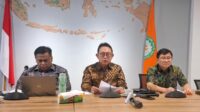
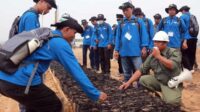
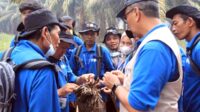
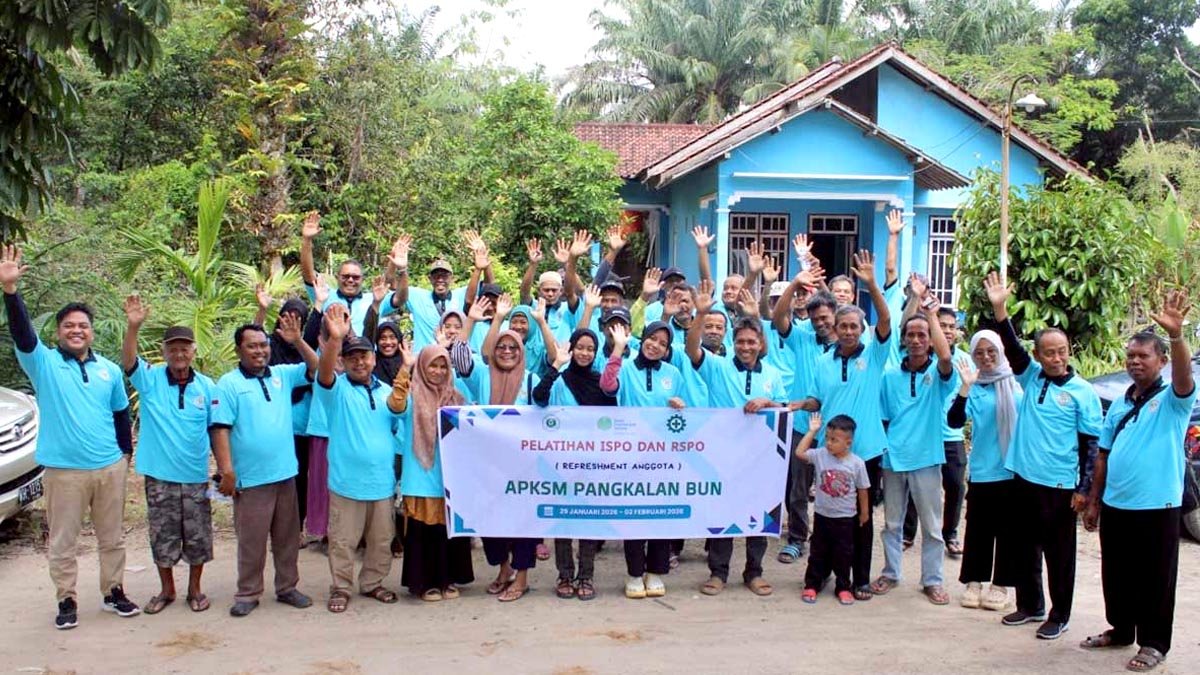
The initiative was carried out through refresher training and outreach sessions in early February 2026, involving farmers from five villages: Kadipi Atas, Sungai Rangit Jaya, Pangkalan Durin, Sumber Agung, and Purbasari. The program featured fellow farmers as speakers and technical assistance from PT SSMS representative Fandi Febriansyah.
APKSM Chairman Widodo emphasized that sustainability certification is no longer optional for independent growers, as global markets increasingly demand verified and responsibly produced palm oil.
Also Read: Aceh Jaya Begins Oil Palm Development for Former GAM Combatants
“Certification is the ticket for independent smallholders to secure stronger bargaining power as well as market certainty,” Widodo said, as quoted by Palmoilmagazine.com from Fortasbi on Tuesday (March 3, 2026).
He stressed that certification should not be viewed merely as a formal requirement, but as a reflection of improved and sustainable plantation management practices.
During the sessions, participants received updated guidance on ISPO and RSPO principles and criteria, best agricultural practices, land legality compliance, and collective commitments in plantation governance. The training also covered grievance mechanisms, occupational health and safety (OHS), accident risk mitigation, and the management of high conservation value (HCV) areas within plantations.
Also Read: Crackdowns Risk Escalating Conflict, POPSI Urges Structured Forest Zoning Reform
APKSM introduced the APKSM Mobile application, a digital tool designed to record plantation activities—from harvesting and fertilizing to spraying and crop maintenance. Such documentation is critical for traceability systems, a core requirement in sustainability certification schemes.
Beyond technical cultivation practices, the training addressed financial management, certification fund utilization, and human rights principles, including the prohibition of child labor and the employment of pregnant women in plantation activities.
Widodo reiterated that certified smallholders must consistently implement Good Agricultural Practices (GAP), including efficient fertilization techniques, environmentally friendly integrated pest management, and standardized harvesting methods.
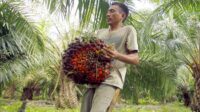
He warned that in the future, global palm oil supply chains may reject uncertified fresh fruit bunches (FFB), making smallholder readiness essential.
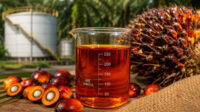
Through RSPO compliance, independent farmers may access sustainability premiums via certified palm oil credits. Meanwhile, ISPO implementation ensures alignment with Indonesian government regulations.
APKSM views its role as strategic in bridging knowledge gaps and strengthening farmer institutions—transforming previously fragmented individual growers into a collective force capable of advancing sustainable palm oil development. (P2)