PALMOILMAGAZINE, JAKARTA – Indonesia closed 2025 with a painful ecological lesson. Flash floods and landslides in Aceh, North Sumatra, and West Sumatra killed around 1,189 people, left 141 missing, and displaced more than 195,000 residents (BNPB, 2026). Triggered by Cyclone Senyar and worsened by deforestation, river sedimentation, and weakened watershed buffers, the disaster underscored how climate change and poor land governance magnify risks, even in palm oil heartlands.
The roots of the crisis are complex. Forest clearing, land conversion for plantations and mining, settlement expansion, and weak enforcement of environmental rules have disrupted watershed balance. Climate change has intensified rainfall variability, prolonged dry seasons, and increased extreme weather. Limited disaster preparedness and low awareness among businesses and individuals have further compounded the impacts.
A New Paradigm: Environmental Intelligence
Traditional disaster response – focused on recovery after the fact – has proven inadequate. The humanitarian and financial costs are simply too high. Indonesia must shift to a proactive paradigm built on Environmental Intelligence (EI) and integrated watershed management. Together, these pillars support sustainable development and help the palm oil sector meet global standards authentically.
Also Read: From Soil Health to Higher Yields: Regenerative Agriculture and the Future of Smallholder Oil Palm
Environmental Intelligence is the ability to collect, analyze, and filter environmental information for effective and informed decision-making. By adopting advanced technologies, EI integrates real-time data, predictive modeling, and IoT sensors to monitor ecological risks and anticipate disasters before they occur. Automatic weather stations, river-level sensors, and satellite imagery can detect early warning signs such as rising water or deforestation hotspots. Machine learning models can predict flood zones and landslide-prone areas with high accuracy, enabling timely interventions. EI should also inform Environmental Impact Assessments (AMDAL), ensuring decisions are based on comprehensive data.
Integrated Watershed Management is equally critical. Watersheds (Daerah Aliran Sungai/DAS) store water, sustain biodiversity, and mitigate floods, while also supporting agriculture, transport, and daily life. Yet many are in critical condition due to pollution, deforestation, and infrastructure development along riverbanks. Effective management requires upstream reforestation, wetland restoration, land-use control, and investment in green infrastructure. With coordination across government, private sector, and communities, Indonesia can stabilize water flows, reduce sedimentation, and mitigate flood and drought risks.
Stakeholder Roles
Building ecological resilience through EI and watershed management is a shared responsibility:
- Government must lead with strong policies, enforce environmental law, invest in monitoring networks, and coordinate across jurisdictions. Watersheds cross administrative boundaries, making central and provincial orchestration crucial. EI also enables ecological early warning systems to forecast fires, droughts, floods in palm oil regions, and peatland degradation.
- Private sector plays a key role by adopting sustainable land-use practices, monitoring environmental impacts, supporting disaster risk reduction, and integrating EI into supply chains. Companies must view their operations as inseparable from local watersheds. Conserving riparian zones is no longer just about certification (ISPO, ISCC, RSPO), but about long-term sustainability for businesses, communities, and the planet. With EI, private sectors can identify high-risk areas, intervene before violations occur, and ensure suppliers meet global standards.
- Communities contribute by managing local landscapes, spreading early warnings, and conserving resources. Empowering citizens with knowledge and tools strengthens resilience from the ground up.
- Individuals also matter. Everyday decisions – whether issuing permits, managing plantations, or disposing of waste – directly affect ecosystems and watershed health.
Government Orchestration for Palm Oil
The 2025 Sumatra disaster accelerated efforts to strengthen real-time monitoring, predictive analytics, and environmental governance. For palm oil – a flagship commodity facing scrutiny from importing countries, especially the EU through the European Union Deforestation Regulation (EUDR) – Indonesia must establish a unified platform for Geospatial Monitoring of Land Use and Deforestation and build a National Environmental Intelligence System.
This platform connects BRIN, BIG, Ministry of Environment, Ministry of Forestry, Ministry of Agrarian Affairs and Spatial Planning and the Ministry of Agriculture, enabling continuous monitoring of land cover change, deforestation hotspots, fire risks, and peatland conditions. Such a system is essential for better resource management, supporting informed decisions by central and local governments, and meeting global requirements like EUDR, which demand precise geolocation and deforestation-free verification for palm oil and other commodities entering the European Union.
Also Read: GAPKI Calls for Stronger Palm Oil Export Governance, Citing Port Inefficiencies and Data Gaps
Toward a More Sustainable and Competitive Palm Oil Sector
With EI, Indonesia is not merely adapting to global sustainability demands—it is leading the transformation of responsible palm oil. Strategic advantages include:
- more efficient compliance (ISPO, ISCC, RSPO, EUDR)
- reduced ecological disaster risks
- globally competitive smallholders
- stronger corporate risk management
- more science-driven government policy
Environmental Intelligence is more than a technological tool—it is a new language of sustainability. It unites government, companies, and smallholders in a shared mission to build a sustainable, competitive, and environmentally responsible Indonesian palm oil industry. (*)
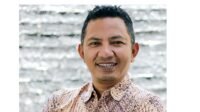
By: Haskarlianus Pasang, Head of Operations Sustainability PT SMART Tbk (This article reflects his own opinion)