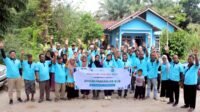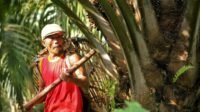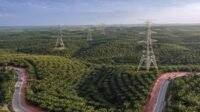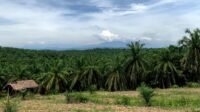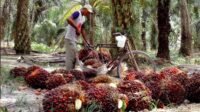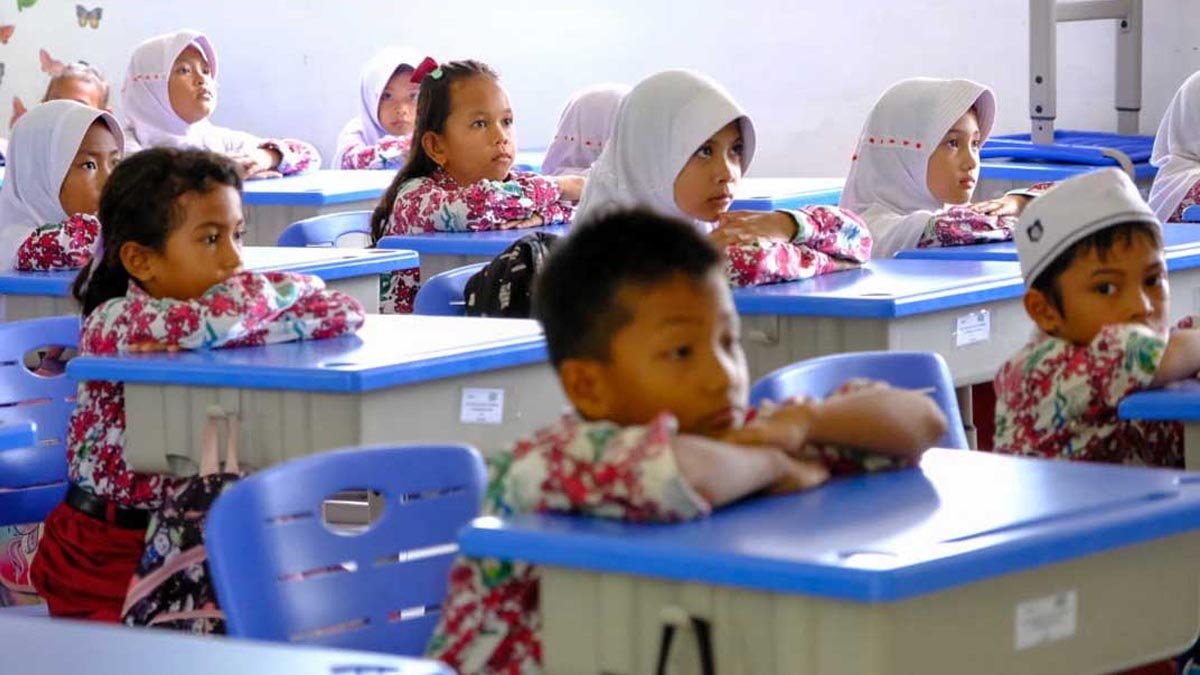
PALMOILMAGAZINE, SAMPIT — In the middle of vast palm oil plantations, a modern school complex stands out with facilities more commonly found in urban education hubs. The scene feels almost surreal: a flagship school rising from the heart of an estate. This is Sekolah Bina Bangsa 02, located within PT Karunia Kencana Permaisejati, a Wilmar Group business unit in Kenyala Village, East Kotawaringin Regency, Central Kalimantan.
Managed by the Bina Bangsa Foundation under the Wilmar Central Kalimantan Project, the school reflects the company’s long-term commitment beyond production and commercial operations. For Wilmar, plantation development is inseparable from investment in human capital.
Bina Bangsa Foundation Coordinator Siti Wahyuni said education is a strategic pillar of Wilmar’s sustainability agenda, particularly for children growing up in plantation communities.
Also Read: KPBN Inacom CPO Prices Slip on Thursday (Jan 15), Malaysian Palm Oil Futures Extend Downtrend
“Children are the nation’s future. They must be prepared as well as possible. Every child deserves equal access to quality education,” Wahyuni told Palmoilmagazine.com on Friday (9/1/2026).
Currently, the foundation manages 20 schools across Central Kalimantan, comprising eight kindergartens, six elementary schools, three junior high schools, and three senior high schools. Together, they serve 6,004 students supported by 289 teachers and education staff, spread across three Wilmar operational areas.
One distinctive feature of the Bina Bangsa schools is their free-education concept. Students are not charged tuition fees, except for uniforms. Access is open not only to the children of plantation workers but also to surrounding communities. Around 380 students currently come from nearby assisted villages.
Also Read: GAPKI and PPKS Host Oil Palm Plantation Management Training for Tanzanian Delegation
Beyond formal academics, the schools place strong emphasis on talent and character development. Extracurricular programs range from traditional dance and music to gardening, marching band, and information technology. This holistic approach has produced achievements at regency, provincial, and even national levels.
These accomplishments led Sekolah Bina Bangsa to be designated as a “driving school” under a government program aimed at accelerating school quality improvements by one to two levels.
“We hope the programs we run are aligned with and support the government’s efforts to prepare a superior generation, especially in plantation regions,” Wahyuni said.
Amid ongoing challenges in equalizing education access, the presence of a flagship school in the heart of a palm oil estate offers a concrete example of how the business sector can actively contribute to building Indonesia’s future. (P2)