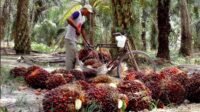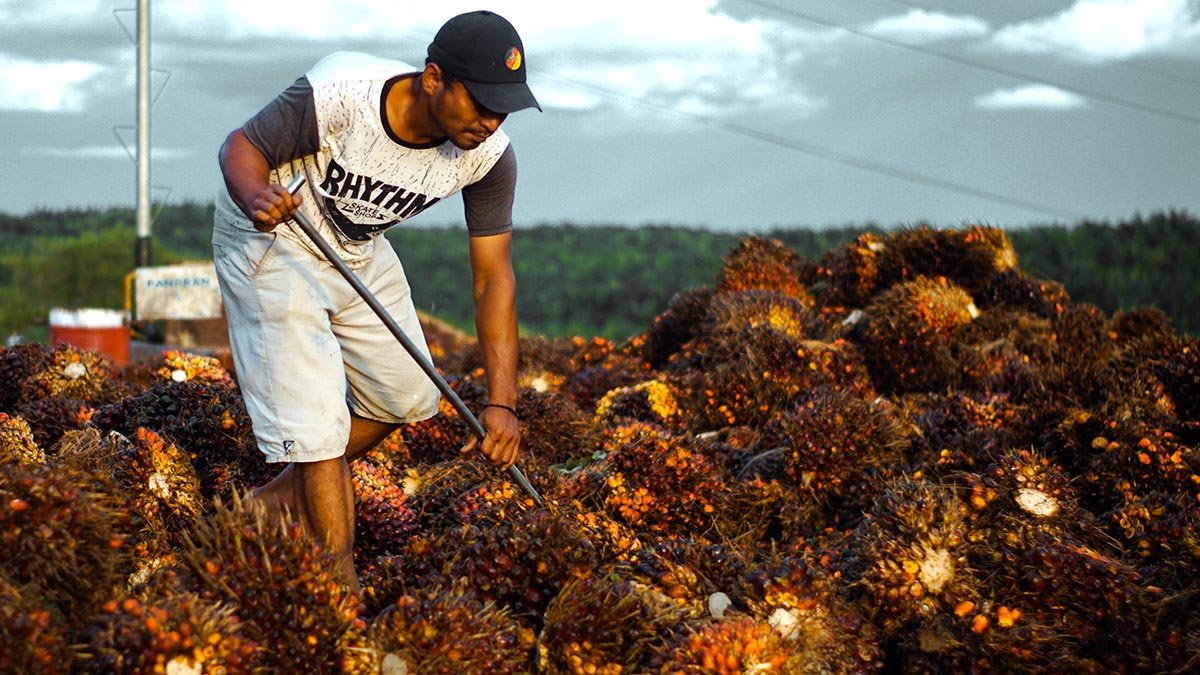
PALMOILMAGAZINE, JAKARTA – Amid growing global scrutiny of the palm oil industry, international sustainability organization Solidaridad has released its latest report, Palm Oil Barometer 2025: Procurement for Prosperity. The report urges a fundamental shift in how companies approach palm oil procurement, highlighting the continued marginalization of millions of smallholder farmers—2.6 million of whom are in Indonesia—who remain largely excluded from sustainable supply chains despite the industry’s massive export value and contributions to national economies.
Valentinus Narung, CEO of CU Keling Kumang in West Kalimantan, echoed the report’s concerns. “Smallholder farmers play a central role in palm oil production, yet only around 1% have obtained ISPO certification. This is a wake-up call for everyone,” he stated in a press release received by Palmoilmagazine.com on Tuesday (May 13, 2025). He emphasized that the current procurement system prioritizes legality and environmental requirements but neglects farmer welfare.
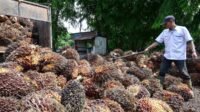
The Palm Oil Barometer 2025 outlines the stark imbalance in value distribution within the global palm oil supply chain. Despite being the backbone of upstream production, smallholders receive the smallest share of industry profits. This limited income restricts their ability to invest in sustainable practices, improve productivity, or adapt to climate change.
Also Read:
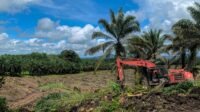
Solidaridad warns that the vulnerability of smallholders can lead to high-risk practices such as deforestation. Unclear land tenure, lack of access to financing, and inadequate technical support often push farmers toward environmentally harmful shortcuts.
To address these challenges, Solidaridad advocates for a “Procurement for Prosperity” model, urging global palm oil companies—particularly downstream players—to move beyond certification-focused approaches and adopt more inclusive, partnership-based systems. This model is grounded in four key principles:
- Inclusive policies that recognize and integrate smallholder farmers;
- Fair pricing and payment systems to ensure economic viability;
- Collaborative partnerships that involve farmers in decision-making processes;
- Technical and financial support to empower farmers at the production level.
Yeni Fitriyanti, Country Manager of Solidaridad Indonesia, underscored the importance of smallholder inclusion. “Indonesia is home to vast tropical forests. Without engaging and empowering smallholders, environmental risks will remain high,” she stated.
Through the Palm Oil Barometer 2025, Solidaridad offers actionable recommendations for governments, plantation companies, processing industries, financial institutions, and multi-stakeholder platforms. The goal is clear: to build a fairer, more resilient, and sustainable palm oil industry—one that places smallholder farmers at the heart of the solution, not just at the receiving end of its consequences. (P2)