PALMOILMAGAZINE, JAKARTA — Crude palm oil (CPO) prices at PT Kharisma Pemasaran Bersama Nusantara (KPBN Inacom) remained in a withdrawal (WD) position on Wednesday, February 4, 2026, despite a higher top bid compared with the previous session.
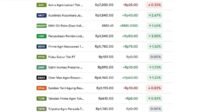
KPBN data obtained by Palmoilmagazine.com showed the highest CPO bid reached IDR 14,900 per kilogram, up IDR 100 per kilogram or approximately 0.68 percent from Tuesday’s top bid of IDR 14,800 per kilogram. Although the offer price increased, no transaction was concluded.
For Franco Dumai, KPBN opened CPO offers at IDR 15,005 per kilogram, but the tender was withdrawn after bids peaked at IDR 14,900 per kilogram.
Also Read: PalmCo Boosts Smallholder Partnerships, Absorbs 3.25 Million Tons of FFB in 2025
Meanwhile, palm oil futures on the Bursa Malaysia Derivatives Exchange moved higher on Wednesday after two consecutive sessions of declines. According to Reuters, the rebound was supported by stronger prices of competing vegetable oils in China’s Dalian market, although gains were capped by a firmer Malaysian ringgit and weaker soybean oil prices in Chicago.
The benchmark April CPO contract rose 5 ringgit, or 0.12 percent, to 4,220 ringgit per metric ton by the midday break.
In China, the most-active Dalian soybean oil contract advanced 0.25 percent, while palm oil futures climbed 0.33 percent. In contrast, soybean oil prices on the Chicago Board of Trade slipped 0.18 percent. Palm oil prices often track movements in rival vegetable oils as they compete for global market share.
Also Read: Indonesia Allocates 15.6 Million Kiloliters of Biodiesel for 2026, B40 Mandate Moves Forward
Currency movements also weighed on the market. The Malaysian ringgit, the trading currency for palm oil, strengthened 0.13 percent against the US dollar, making palm oil relatively more expensive for overseas buyers.
On the positive side, export performance provided fresh support. Malaysia’s palm oil exports are estimated to have increased between 14.9 percent and 17.9 percent month-on-month in January, based on data from inspection firm AmSpec Agri Malaysia and cargo surveyor Intertek Testing Services.
Global demand indicators were also encouraging. India’s palm oil imports surged 51 percent in January, reaching a four-month high as palm oil’s price discount to soybean oil prompted refiners to ramp up purchases. At the same time, India’s soybean oil imports fell to their lowest level in 19 months, according to five traders cited by Reuters.
KPBN Tender Prices (IDR/kg, VAT excluded) – Wednesday, February 4, 2026:
- CPO
Franco Dumai: IDR 15,005 (WD)
Highest bid: IDR 14,900 – EUP - Palm Kernel (PK)
Lolo Tanjung Lebar Mill: IDR 12,736
Highest bid: IDR 11,680 – SAP
(P2)