


The government is investigating several companies, including foreign-linked firms, over allegations that they may be conducting mining activities beyond the scope of their existing business permits.
PALMOILMAGAZINE, JAKARTA — Indonesia’s Ministry of Energy and Mineral Resources (ESDM) is investigating allegations that several oil palm plantation companies have been conducting mining activities outside the scope of their government-issued permits.
The investigation covers a number of companies, including foreign-linked businesses suspected of carrying out activities beyond the permits they currently hold.
Also Read: Indonesia Cuts November 2026 CPO Reference Price 6.07% to US$978.90/MT, Sets Export Duty at US$124
Energy and Mineral Resources Minister and Coordinating Minister for Downstreaming and Energy Transition Bahlil Lahadalia said the ministry had coordinated with its law enforcement team (Penegakan Hukum or Gakkum) and relevant internal units to follow up on the findings.
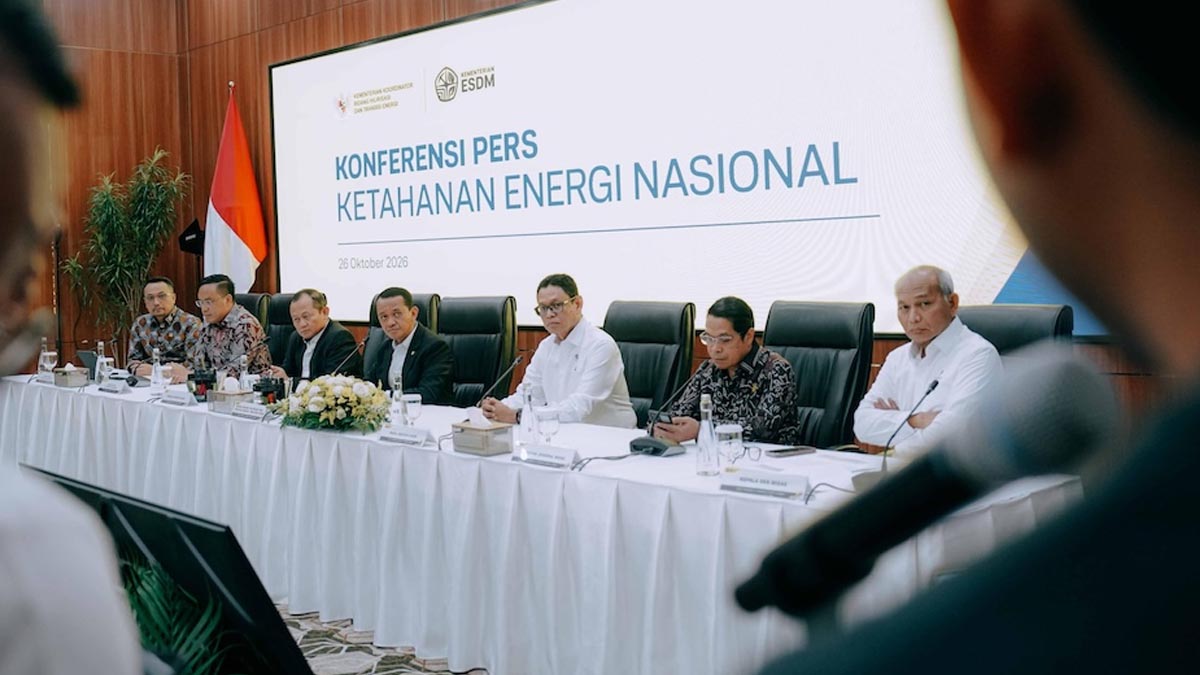
Speaking at a press conference on national energy resilience on Monday (Oct. 26, 2026), Bahlil said the government would monitor and inspect oil palm plantations suspected of also conducting mining activities.
According to Bahlil, preliminary reports from the Gakkum team identified several companies undergoing further investigation over suspected business activities outside the scope of their government-issued permits.
He stressed that companies must operate within the business activities covered by their permits. An oil palm plantation permit, he said, cannot be used as the legal basis for conducting other activities that require separate authorization.
“If the permit is only issued for oil palm plantations, the company cannot conduct other businesses or generate other types of revenue,” Bahlil said in an official statement.
The government has also received reports concerning several foreign companies that may have conducted activities beyond their authorized business scope. However, the companies remain under investigation as authorities seek to establish the nature of the activities and whether they comply with applicable licensing requirements.
Government Tightens Oversight of Plantation and Mining Permits
The planned inspections form part of broader government efforts to strengthen oversight of businesses that utilize Indonesia’s natural resources. Authorities want to ensure that corporate operations comply with the permits issued to them and with prevailing laws and regulations.
For the palm oil sector, licensing compliance is particularly important for maintaining legal certainty and preventing land and natural resources from being used beyond approved purposes.
Also Read: Eight Indonesian Palm Oil Companies Face Singapore Scrutiny Over Alleged Links to Haze-Causing Fires
Where a company conducts both plantation and mining activities, each activity must meet the relevant licensing and regulatory requirements. Authorities can therefore assess the legality of the business based on the permits held by the company and the activities actually taking place on the ground.
The allegations against the companies, however, have yet to be established as violations and remain subject to investigation. Findings from the Gakkum team and the ESDM Ministry will help determine whether further enforcement action is warranted against companies found to be operating outside their permitted activities.
The government’s move is part of efforts to strengthen natural-resource governance, improve regulatory compliance and ensure that commercial activities are conducted lawfully and provide broader benefits to the national economy. (P2)