PALMOILMAGAZINE, JAKARTA – The Indonesian Palm Oil Association (GAPKI) believes that efforts to accelerate the smallholder palm oil replanting program (peremajaan sawit rakyat/PSR) continue to face significant technical and administrative challenges in the field. Complex funding requirements and weak partnership schemes are seen as key factors behind the slow realization of the national replanting program.
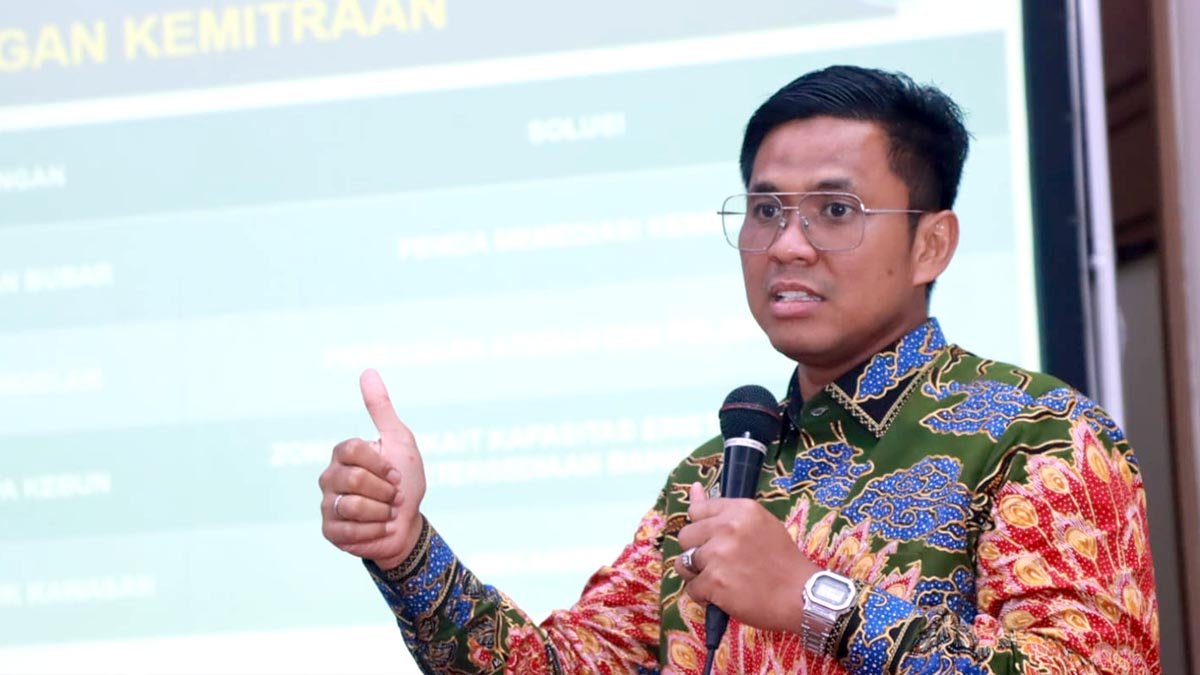
Muhammad Iqbal, Head of Replanting Policy and Socialization Division at GAPKI, said Indonesia’s palm oil governance involves numerous ministries and institutions, requiring stronger and more integrated coordination.
“At present, many ministries and agencies are involved in managing the palm oil sector,” Iqbal said during a discussion organized by the Forum Wartawan Pertanian (Forwatan) titled “Mandatory PSR: A Solution to Boost Productivity” in Jakarta on Tuesday (19/5/2026), attended by Palmoilmagazine.com.
Also Read: Government Prioritizes BPDP Support for ISPO-Certified Palm Oil Smallholders
According to Iqbal, the former Perkebunan Inti Rakyat (PIR) scheme was once the most effective model for developing Indonesia’s palm oil industry because it created strong synergy between companies and smallholders.
However, he noted that technical barriers in accessing PSR funding remain substantial, particularly regarding administrative requirements and spatial data verification.
“Accessing PSR funds is extremely difficult. For example, coordinates must be highly accurate, aerial photos are required, while many areas are difficult to access and the costs are expensive. These costs are not covered by BPDP,” he explained.
Also Read: KPBN CPO Prices Rise to IDR15,300/kg as Global Crude Oil Rally Supports Palm Market
Iqbal added that farmer data validation often takes a long time due to various administrative issues, including land ownership changes, deceased landowners, and outdated population records.
He stressed that the process of collecting documents and disbursing funds requires thorough verification to ensure the legality and validity of program beneficiaries.
On top of that, farmers also face economic pressure during the immature plantation period (TBM), which can last up to four years. This situation discourages many farmers from replanting because they fear losing their primary source of income.
Also Read: Investment Banks Forecast Elevated CPO Prices Through 2026, Strong El Nino Seen as Key Driver
“If a farmer only owns four hectares and all of it is replanted, they practically have no income during the TBM period,” he said.
According to Iqbal, partnership schemes with plantation companies could become one of the key solutions to maintaining farmers’ economic sustainability during the replanting phase. Under such schemes, companies typically assist farmers in accessing bank financing to support their temporary living expenses.
He emphasized that strengthening partnerships between companies and smallholders will be essential to ensuring that the acceleration of the PSR program can be implemented more effectively and sustainably. (P3)